
Fettuccine alfredo easy is really about two things: controlling heat and finishing the pasta in the sauce so it turns silky instead of oily or grainy. If your Alfredo has ever “broken,” tasted flat, or turned into glue after five minutes, you’re not alone.
This guide keeps it practical, not precious. You’ll get a reliable base recipe, a few smart variations (including lighter swaps that still taste right), and troubleshooting for the moments when dinner goes slightly sideways.
One quick note up front, traditional Alfredo is rich. If you have dietary needs, sodium limits, or digestion concerns, adjustments might help, and it’s reasonable to check with a qualified professional for personalized guidance.
What makes Alfredo “easy” (and where most people get stuck)
The “easy” part isn’t skipping steps, it’s avoiding the common traps that create a separated sauce. Alfredo is basically a simple emulsion, fat plus water, held together by heat control and starch from pasta water.
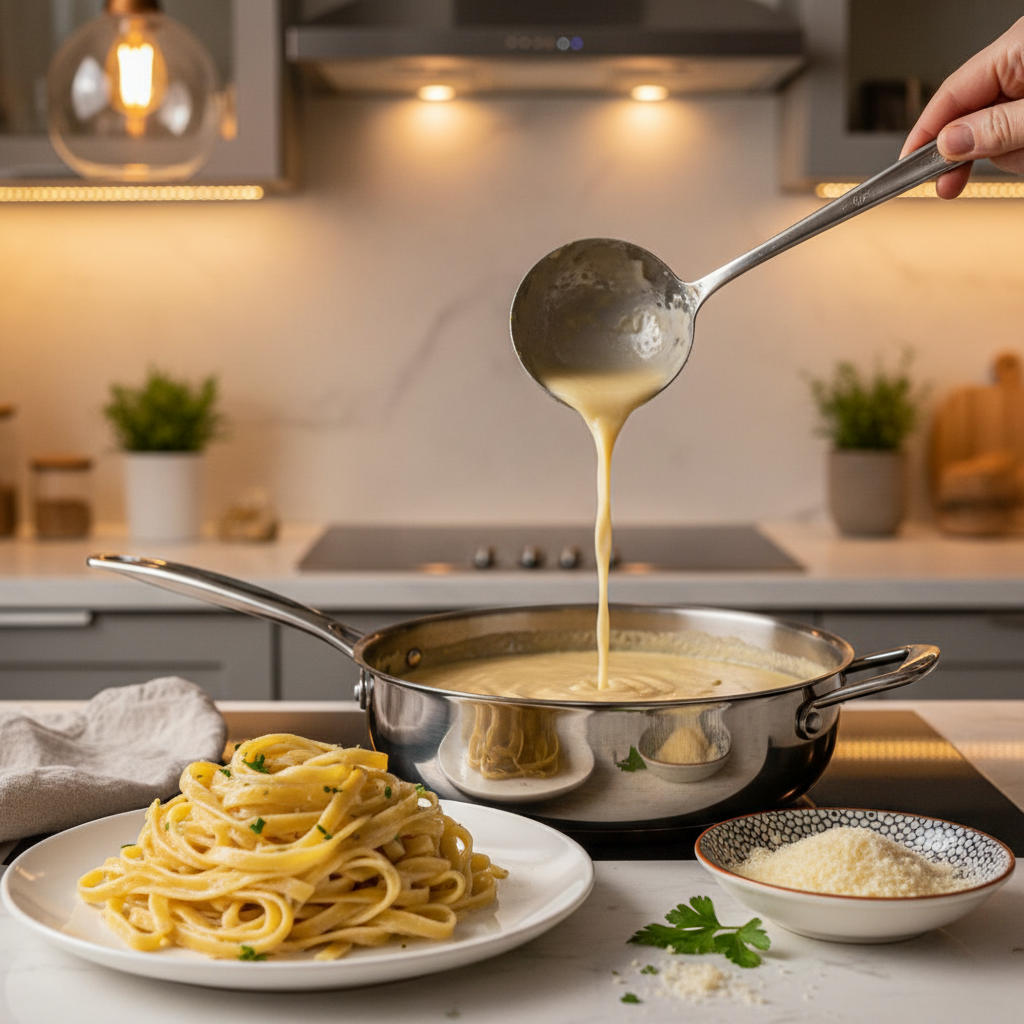
Here’s what usually causes problems:
- Heat too high, butter and cheese separate and the sauce turns greasy.
- Cheese added all at once, it clumps before it melts smoothly.
- No pasta water, you miss the starch that helps sauce cling and stay cohesive.
- Wrong cheese, pre-shredded blends often contain anti-caking agents that melt unevenly.
According to USDA Food Safety and Inspection Service (FSIS), perishable foods should not sit out at room temperature longer than 2 hours, so when you serve Alfredo, it’s better to go from pan to plate, then refrigerate leftovers promptly.
Ingredients for an easy, creamy Fettuccine Alfredo
This version aims for weeknight-friendly without tasting like shortcuts. It lands between “classic” and “American restaurant” style, with enough richness to feel like Alfredo, but still manageable.
What you need (serves 4)
- 12 oz fettuccine
- 4 tbsp unsalted butter
- 1 cup heavy cream (or half-and-half, see swaps below)
- 1 to 1 1/2 cups finely grated Parmesan (not the shelf-stable can, if you can help it)
- 1 to 3 cloves garlic, finely minced (optional, but popular)
- 1/2 tsp kosher salt, plus more for pasta water
- Freshly cracked black pepper
- Optional: pinch of nutmeg, chopped parsley, lemon zest
Key point: grate your Parmesan fine. Bigger shreds melt slower, and slow melting invites over-heating, which is how the sauce starts to split.
Step-by-step: fettuccine Alfredo easy, start to finish
You’re going for tight timing: sauce ready right when pasta hits al dente. If you cook the pasta early and let it sit, it can clump, and you’ll need extra liquid to rescue texture.
1) Boil pasta the right way
- Bring a large pot of water to a rolling boil, salt it until it tastes pleasantly salty.
- Cook fettuccine until just al dente, then reserve 1 to 1 1/2 cups pasta water before draining.
2) Build the sauce gently
- In a large skillet over medium to medium-low heat, melt butter.
- If using garlic, cook 30–60 seconds until fragrant, not browned.
- Pour in cream and warm it until you see small bubbles at the edge, not a hard boil.
3) Melt in the Parmesan off the heat
- Turn heat to low, or remove the pan from the burner.
- Whisk in Parmesan a handful at a time until smooth.
- Add black pepper and taste for salt, Parmesan brings plenty of salinity on its own.
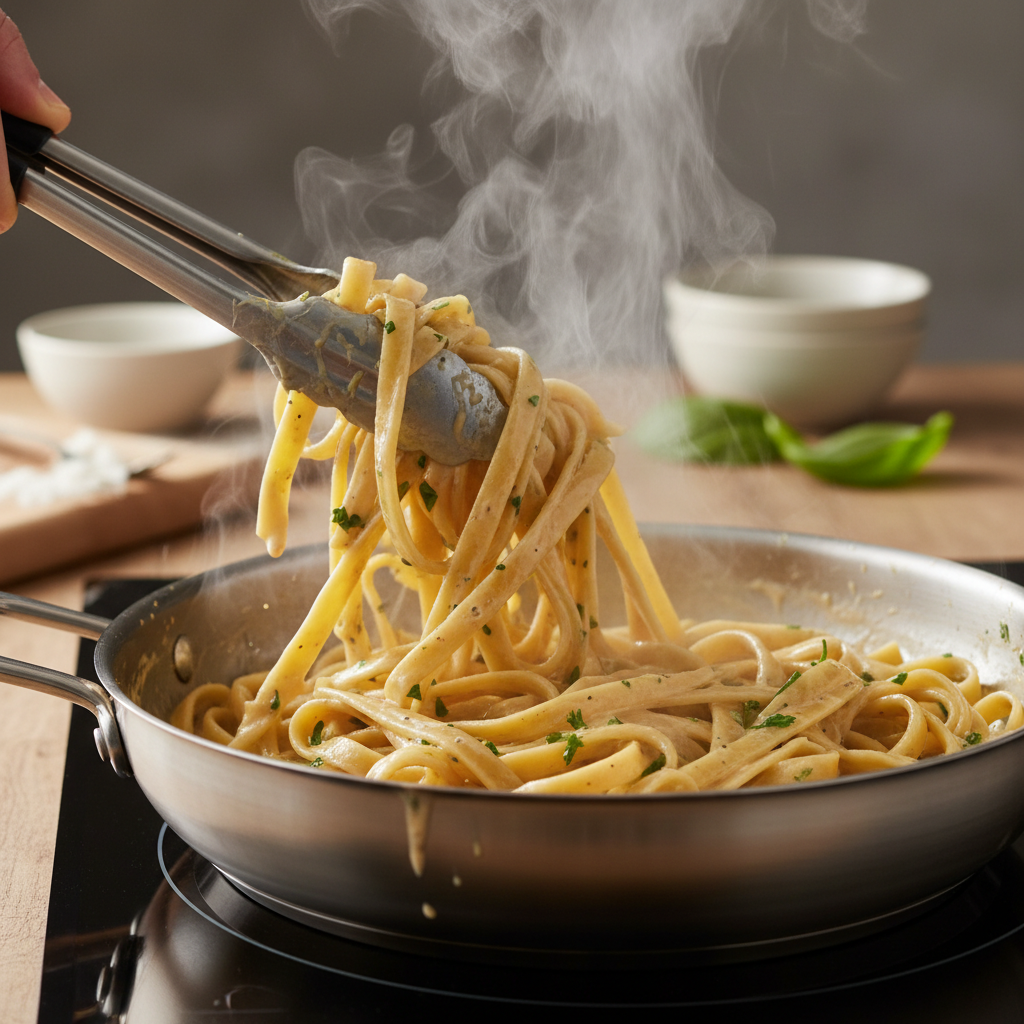
4) Toss pasta in the sauce (this is where it becomes “restaurant-y”)
- Add drained pasta to the skillet.
- Toss, then splash in reserved pasta water 2–3 tablespoons at a time until it looks glossy and coats every strand.
- Serve right away, Alfredo thickens fast as it cools.
Quick texture cue: if it looks slightly loose in the pan, it often plates perfectly. If it looks perfect in the pan, it may tighten too much on the plate.
Timing + texture cheats (so it stays creamy, not clumpy)
Most “Alfredo fails” happen in the last three minutes. These small choices keep the sauce stable and flexible.
- Use a big skillet, overcrowding cools sauce unevenly and makes tossing awkward.
- Keep pasta water hot, cold water can shock the sauce and reduce emulsification.
- Finish cooking in the sauce for 30–60 seconds, it helps sauce bind to starch.
- Don’t simmer after adding cheese, hold it warm on low if you must, but avoid boiling.
Common issues and fast fixes (use this table mid-cook)
If you want fettuccine alfredo easy every time, the real skill is knowing how to correct the sauce without panicking and cranking the heat.
| Problem | Likely cause | Fix that usually works |
|---|---|---|
| Sauce looks greasy or separated | Too much heat, cheese added too fast | Remove from heat, whisk in 2–4 tbsp hot pasta water, add a small pinch more Parmesan |
| Sauce is too thick, almost paste-like | Reduced too far, cooled down | Loosen with hot pasta water a little at a time, toss vigorously |
| Sauce is thin and watery | Not enough Parmesan, not enough tossing | Simmer cream briefly before cheese, then add more Parmesan in small handfuls |
| Cheese clumps | Heat too high, coarse grate, pre-shredded | Lower heat, whisk hard, add hot pasta water, next time grate finer |
| Tastes bland | Under-salted pasta water, low-quality Parmesan | Add pepper, a touch more salt, or a little lemon zest to brighten |
Variations that still feel like Alfredo
Once you can nail the base, you can flex it without losing the point. These tweaks keep that creamy comfort but match different fridges and preferences.
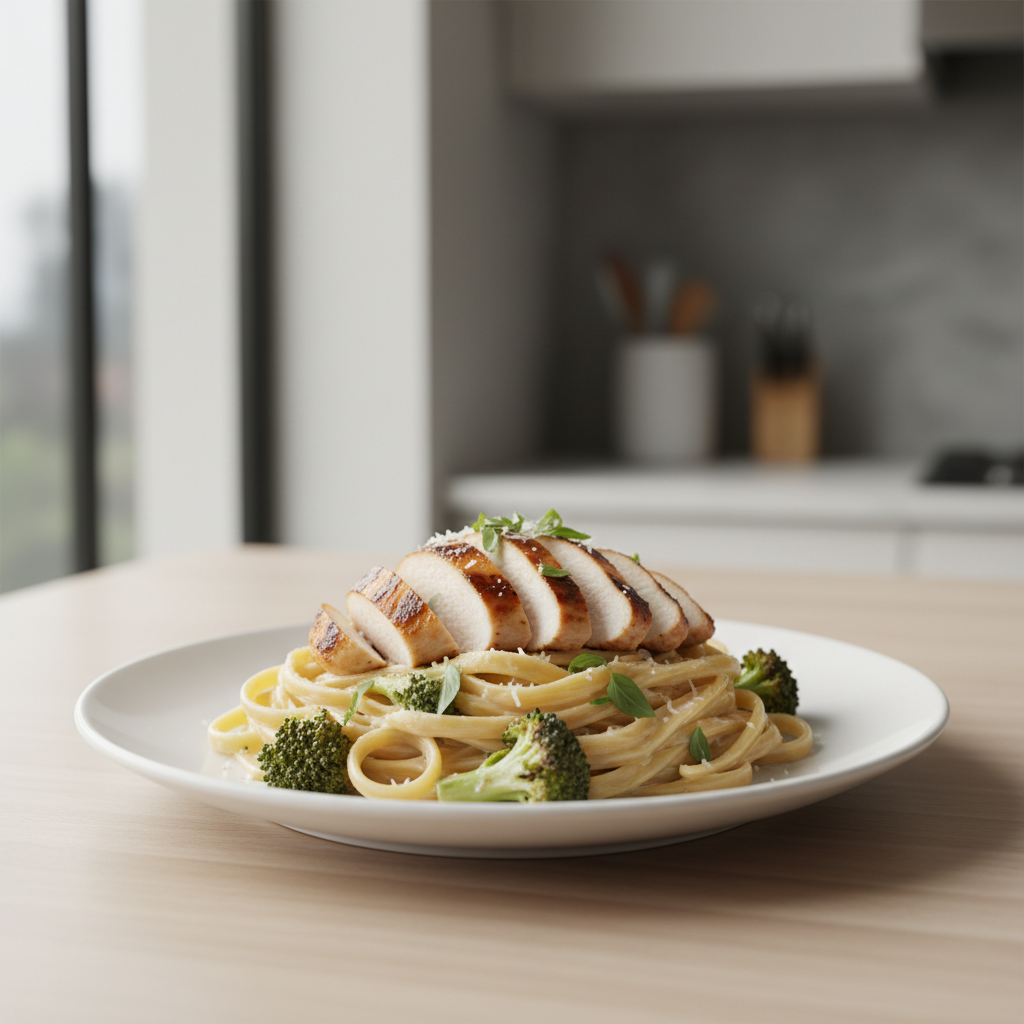
Add protein or vegetables
- Chicken Alfredo: add sliced cooked chicken at the end, warm it in the sauce for 1 minute.
- Shrimp Alfredo: sauté shrimp separately, then fold in, shrimp overcooks fast in hot sauce.
- Broccoli or peas: toss into pasta water for the last 2–3 minutes of boiling.
- Mushrooms: brown them first, then build sauce in the same pan for better flavor.
Lighter swaps (with realistic expectations)
- Half-and-half: works, but sauce is less rich and can be less forgiving if boiled.
- Milk: possible, but you may need more Parmesan and careful reduction to avoid thin sauce.
- Greek yogurt: can curdle with high heat, if you try it, temper it with warm pasta water and keep heat very low.
For gluten-free pasta, the main difference is starch behavior varies by brand, so the amount of pasta water you need can shift, start small and adjust.
Practical serving, storage, and reheating tips
Alfredo is at its best right after tossing. Leftovers can still be good, just expect the sauce to tighten in the fridge.
- Serve: warm bowls help, Alfredo cools quickly.
- Store: refrigerate in an airtight container, ideally within 2 hours. According to USDA FSIS, this reduces food safety risk for dairy-based dishes.
- Reheat: low heat on the stove with a splash of milk, cream, or water, stirring often, microwaving tends to overheat edges and split sauce.
Key takeaway list:
- Keep heat gentle, especially after cheese goes in.
- Reserve hot pasta water, it’s your texture insurance.
- Grate Parmesan finely, and add it gradually.
- Toss pasta in the sauce, don’t just pour sauce on top.
Conclusion: a reliable weeknight Alfredo you can repeat
When you treat Alfredo like a quick emulsion instead of a long-simmer sauce, it becomes genuinely doable, even on busy nights. Make your pasta water work for you, keep the burner calm, and you’ll get that creamy, clingy finish people want from fettuccine alfredo easy without turning dinner into a science project.
If you cook this once, your next move is simple: try one variation, chicken or broccoli, and practice the same finish-in-the-pan method. That’s where consistency comes from.
FAQ
How do I keep Alfredo sauce from breaking?
Lower heat early and add Parmesan off the heat in small handfuls. If it starts separating, whisk in hot pasta water a bit at a time and keep the pan away from a strong boil.
Can I make fettuccine Alfredo easy without heavy cream?
Yes, half-and-half often works if you avoid boiling. Milk can work too, but it’s less rich and may need more cheese and a short reduction for a sauce that coats well.
Why is my Alfredo grainy?
Usually the cheese didn’t melt smoothly, either from high heat, too-coarse grating, or pre-shredded cheese with additives. Try finer grating and gentler heat, it makes a bigger difference than most people expect.
Do I really need pasta water?
You can make sauce without it, but pasta water helps the sauce bind and cling. It’s also the easiest way to fix thickness problems without adding extra cream.
What Parmesan should I buy for Alfredo?
Many cooks prefer a wedge labeled Parmesan or Parmigiano Reggiano and grate it fresh for smoother melting. Pre-grated can still work, but it’s less predictable in this type of sauce.
How do restaurants make Alfredo so glossy?
Usually by finishing pasta in the sauce, using enough fat, and adjusting with pasta water while tossing. That motion helps emulsify and gives that shiny, cohesive look.
Can I add chicken straight into the sauce to cook?
It’s possible, but it’s easy to overcook chicken and stress the sauce with longer heat time. Cooking chicken separately, then adding at the end, tends to be more consistent.
If you’re trying to get fettuccine alfredo easy into a regular weeknight rotation, it helps to set up a simple routine: grate cheese while water boils, keep a cup ready for pasta water, and pick one add-in you already like so you’re not juggling too many new steps at once.