
Best vegan recipes for beginners usually have one thing in common, they don’t ask you to become a new person overnight, they just help you get dinner on the table with familiar flavors and forgiving steps.
If you’re new to vegan cooking, the hard part often isn’t motivation, it’s friction, unfamiliar ingredients, recipes that assume you own every spice, or meals that look great online but feel like a weekday trap. The goal here is to lower that friction while still eating well.
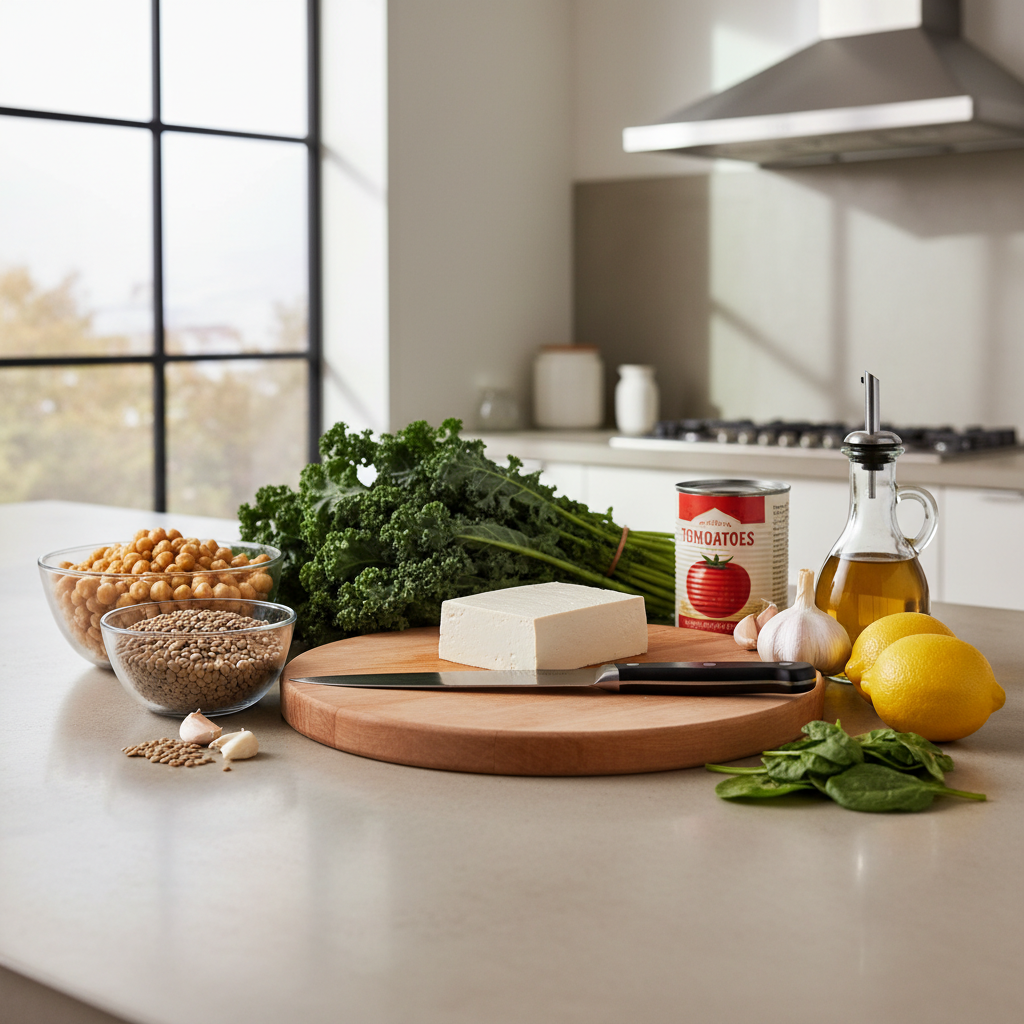
This guide focuses on simple, repeatable meals you can rotate, plus a small skill set that pays off fast. You’ll also get a practical shopping list, a starter schedule, and a few “save the meal” fixes for when something tastes flat.
One quick note, vegan eating can be very healthy, but individual needs vary. According to the Academy of Nutrition and Dietetics..., appropriately planned vegetarian and vegan patterns can be suitable for many life stages, if you have medical conditions or specific nutrition concerns, it’s smart to check with a registered dietitian.
What makes a vegan recipe beginner-friendly (and what usually doesn’t)
Before recipes, it helps to know what to look for. A lot of frustration comes from picking meals that are “vegan” but not beginner-friendly.
- Short ingredient list, ideally 8–12 items, not counting salt, pepper, oil.
- Flexible proteins, canned beans, lentils, tofu, frozen edamame, not specialty items you can’t reuse.
- One main technique per recipe, roast, simmer, sauté, blend, not all four at once.
- Flavor shortcut built in, salsa, curry paste, miso, soy sauce, canned tomatoes, or a spice blend.
What tends to trip beginners up, long marinades, lots of separate components, “clean out your pantry” spice lists, or baking-style precision when you just want dinner.
Quick self-check: which beginner are you right now?
Different starting points need different recipes. Pick the closest match, then choose meals designed for that lane.
- I can cook basics but vegan tastes bland, you need sauces, acidity, and umami, not harder recipes.
- I’m short on time, you need 20–30 minute meals and freezer-friendly staples.
- I’m nervous about protein, you need repeatable bean, lentil, tofu, and soy-milk staples.
- I miss comfort food, you need veganized classics like chili, tacos, pasta, and sheet-pan dinners.
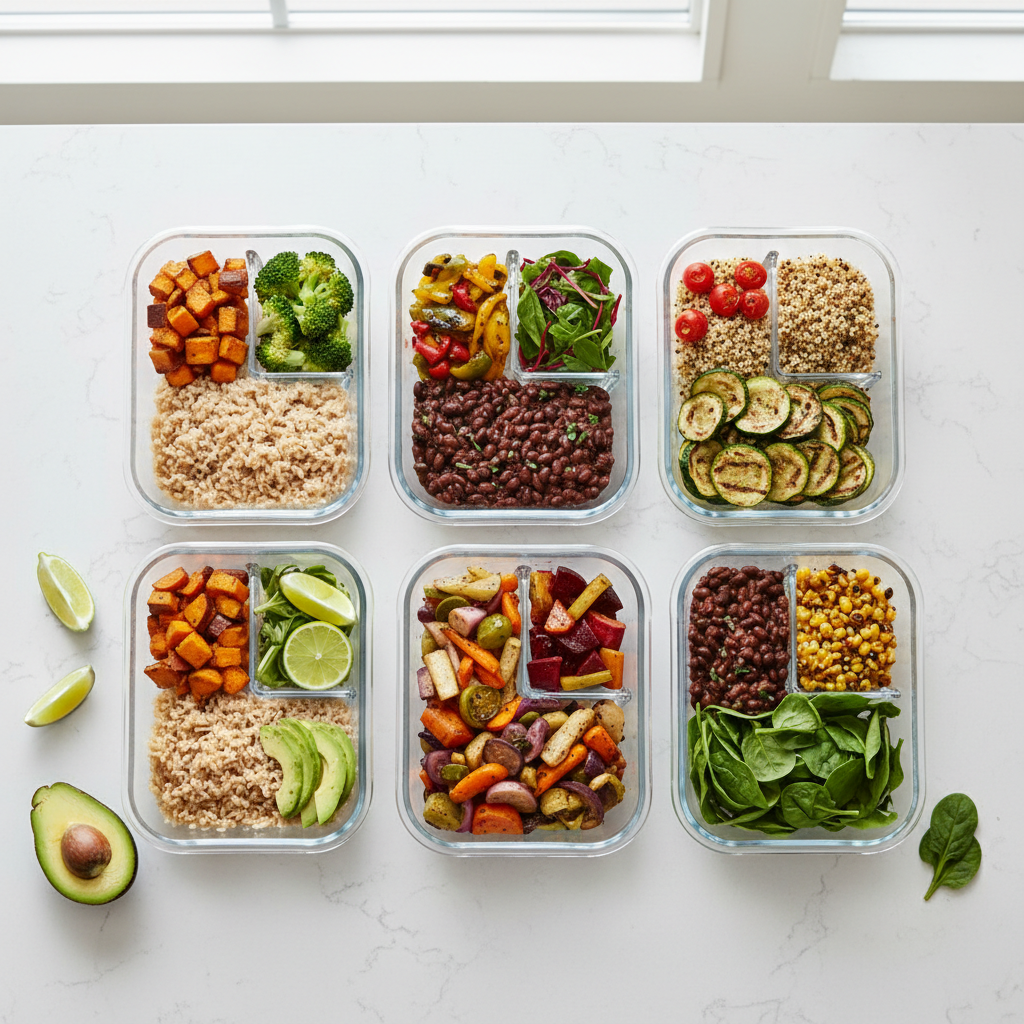
If you’re thinking “I’m all of these,” that’s normal. Start with time and taste first, because once meals are fast and satisfying, consistency gets much easier.
The best vegan recipes for beginners (2026-friendly starter rotation)
These are designed for U.S. grocery stores, minimal tools, and leftovers that reheat well. Adjust heat, salt, and add-ins to your comfort level.
1) 15-minute chickpea salad wraps
- Base: canned chickpeas, smashed with a fork
- Binder: vegan mayo or mashed avocado
- Flavor: mustard, lemon, dill or relish
- Crunch: celery, pickles, red onion
Why it works, no stove required, and you can shift it toward tuna-salad vibes or a brighter lemon-herb version.
2) One-pot lentil tomato soup
- Simmer lentils with onion, garlic, canned tomatoes, broth, and a bay leaf
- Finish with spinach and a squeeze of lemon
Beginner tip, if it tastes “flat,” add salt and acid before you add more spices. That single habit fixes a lot of early vegan meals.
3) Sheet-pan tofu and vegetables
- Press tofu if you have time, otherwise pat dry
- Toss with oil, soy sauce, garlic powder, and cornstarch for crisp edges
- Roast with broccoli, peppers, or green beans
Serve over rice, quinoa, or even frozen microwave grains for a true weekday win.
4) Black bean tacos with quick lime slaw
- Warm black beans with cumin, chili powder, and salsa
- Slaw: shredded cabbage, lime juice, salt, a tiny bit of sugar
This hits the comfort-food box without needing vegan cheese to feel complete.
5) Creamy vegan pasta (cashew or sunflower “cream”)
- Blend soaked cashews (or sunflower seeds), garlic, lemon, nutritional yeast, salt, water
- Toss with pasta, peas, and sautéed mushrooms
If you’re nut-free, sunflower seeds usually work well, flavor becomes slightly earthier, still good.
6) Coconut chickpea curry (pantry curry)
- Simmer canned chickpeas, coconut milk, curry paste or powder, frozen veggies
- Finish with lime and cilantro if you like
This is one of those meals where leftovers taste better the next day, which is a nice perk when you’re building habits.
7) Breakfast-for-dinner tofu scramble
- Crumble tofu, sauté with onion and peppers
- Add turmeric for color, nutritional yeast for savory depth
- Serve with toast, salsa, and fruit
According to the USDA..., varied plant foods can contribute to a balanced pattern; if you’re relying heavily on one food group, rotate proteins and add vegetables across the week.
Starter grocery list (what you’ll actually reuse)
This is the “buy once, cook many times” approach. Keep it tight, then expand when you know what you like.
| Category | Beginner staples | Easy uses |
|---|---|---|
| Proteins | Chickpeas, black beans, lentils, tofu, edamame | Tacos, soups, bowls, stir-fries |
| Carbs | Rice, pasta, tortillas, potatoes, oats | Base for quick meals, batch cooking |
| Flavor builders | Soy sauce, salsa, curry paste/powder, canned tomatoes, mustard | Instant “restaurant direction” without complex spice blends |
| Finishers | Lemons/limes, nutritional yeast, hot sauce, tahini | Fix blandness, add richness, add brightness |
| Veggies | Frozen mixed veg, spinach, broccoli, cabbage, onions | Low waste, quick cooking, high versatility |
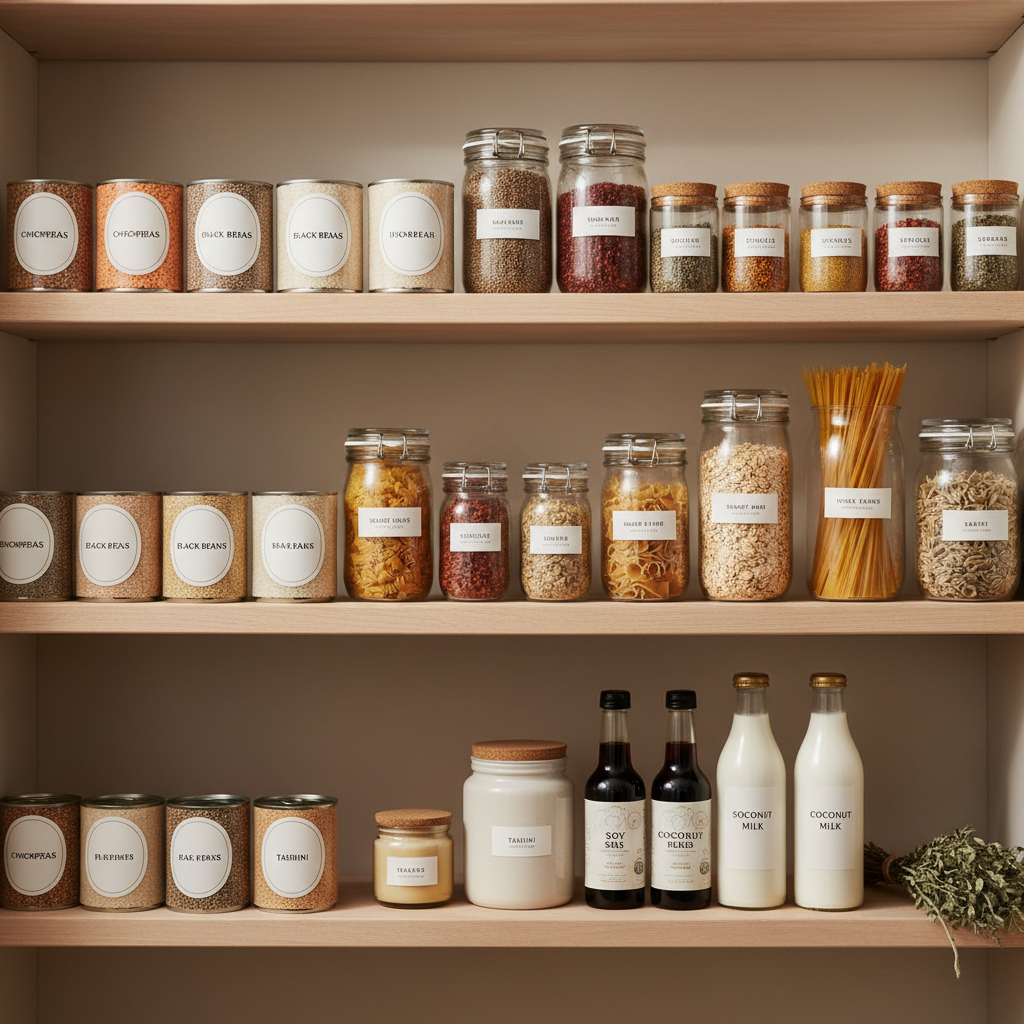
If you’re watching sodium or managing a health condition, canned items and sauces can add up fast, choosing low-sodium options and seasoning gradually may help, and a clinician can give personalized guidance.
How to cook vegan without it tasting “meh”
A lot of new cooks blame the lack of meat, but the usual issue is missing structure, salt, acid, fat, and umami. When those are in place, plant-based meals feel finished.
- Salt: add in small steps during cooking, not only at the end.
- Acid: lemon, lime, vinegar, pickled items, added at the end to wake flavors up.
- Fat: olive oil, tahini, avocado, coconut milk, helps with richness.
- Umami: soy sauce, miso, mushrooms, nutritional yeast, tomato paste.
- Heat: chili flakes, hot sauce, or a pinch of cayenne, optional but useful.
If you want one “training wheels” move, keep salsa, soy sauce, and lemons around. That trio rescues more beginner meals than fancy spice racks do.
A simple 7-day beginner plan (repeatable, not rigid)
This is a practical way to test-drive the best vegan recipes for beginners without trying to reinvent every meal. Swap days, repeat favorites, keep it low-pressure.
- Day 1: chickpea salad wraps + fruit
- Day 2: sheet-pan tofu + rice
- Day 3: lentil tomato soup + bread
- Day 4: black bean tacos + lime slaw
- Day 5: coconut chickpea curry + frozen veg
- Day 6: tofu scramble + toast + salsa
- Day 7: leftover bowl, use remaining grains, beans, veggies, add a quick sauce
Key takeaway, repeating meals for one week isn’t boring, it’s how you learn which ingredients earn a permanent spot in your kitchen.
Common mistakes beginners make (and what to do instead)
- Trying to copy meat meals exactly, instead build around beans, tofu, lentils, and strong sauces, not imitation.
- Buying too many niche ingredients, instead master a small pantry, then expand based on what you cook twice.
- Not eating enough overall, vegan meals can be lower calorie, add grains, potatoes, nuts, or tahini if you feel hungry soon after.
- Skipping protein at breakfast, add tofu scramble, soy yogurt, or peanut butter oatmeal, it tends to stabilize appetite.
- Expecting perfection, aim for “good and repeatable,” your taste and timing improve quickly with reps.
According to the National Institutes of Health (NIH)..., vitamin B12 is an essential nutrient; many vegan eaters use fortified foods or supplements, discuss supplementation with a qualified professional if you’re unsure what fits your needs.
Practical cooking tips that save time right away
These aren’t fancy, they’re the boring habits that make vegan cooking feel easy.
- Batch one base on Sunday, a pot of rice or quinoa, or roasted potatoes.
- Keep two “instant sauces”, tahini-lemon-garlic, and soy-ginger-lime.
- Use frozen veg on weekdays, less chopping, less waste, still nutritious.
- Cook once, eat twice, soups, curries, and chili reheat well.
If you’re cooking for a mixed household, keep meals “build-your-own”, tacos, bowls, pasta, people can add toppings they like without making you cook two dinners.
Conclusion: keep the recipes simple, make the habits strong
The best vegan recipes for beginners aren’t about showing off, they’re about finding 6–10 meals you enjoy enough to repeat, then slowly widening your comfort zone. When taste and convenience improve, the rest tends to follow.
If you want an easy next step, pick two recipes from the rotation, shop only for those, and cook them twice this week. After that, add one new meal, not five.