
how to make french toast crispy comes down to two things you can control every single time, moisture and heat, because most “soggy toast” problems are really just wet bread meeting a pan that never gets hot enough.
If you want that diner-style crunch at the edges with a custardy middle, you do not need fancy gear, you need the right bread, a tighter soak, and a pan setup that browns fast without burning. The good news is once you understand the handful of failure points, it becomes an easy weekday move.
I also want to call out a common misconception, adding more egg does not automatically mean crisp, it often means a thicker coating that stays soft unless you cook it long enough. The strategy below keeps the coating thin, dries the surface, and gives the skillet the best chance to do its job.
Why French toast turns soggy (and how to spot the culprit)
Soggy French toast usually comes from one of these scenarios, and a lot of people have more than one happening at once.
- Bread too fresh, soft sandwich bread absorbs custard fast and collapses before the outside can brown.
- Custard too thin or too sweet, extra milk or sugar can encourage steaming and quick browning before the inside sets.
- Over-soaking, the center stays wet, then the pan cooks the coating while the inside lags behind.
- Pan not hot enough, you get pale toast that “dries” instead of browning, then it turns soft as it sits.
- Overcrowding, the skillet temperature drops, and the slices steam each other.
According to USDA Food Safety and Inspection Service (FSIS), dishes made with eggs should be cooked until the egg portion is set, and any perishable egg mixture should not sit out long. That matters here because undercooked custard can taste “wet” even when the outside looks browned.
Choose bread that can actually get crispy
If you only change one thing, change the bread. Bread that holds its structure lets you cook long enough to crisp without turning into pudding.
Best breads for a crisp outside
- Brioche for rich flavor, but use thicker slices and a shorter soak.
- Challah for sturdy structure and good browning.
- Texas toast when you want that classic thick-cut diner feel.
- Day-old French bread if you like a firmer bite and extra crunch.
Quick rule: aim for 3/4 to 1 inch slices, and if the loaf is fresh, leave slices out 20 to 40 minutes so the surface dries a bit. If you have time, using day-old bread often makes the whole “how to make french toast crispy” question almost unfairly easy.
Build a custard that browns fast but does not soak through
A crisp finish comes from a custard that coats, not floods. You want enough egg to set quickly, enough dairy for tenderness, and not so much sugar that the outside darkens before the inside cooks.
Crispy-friendly custard ratio (reliable starting point)
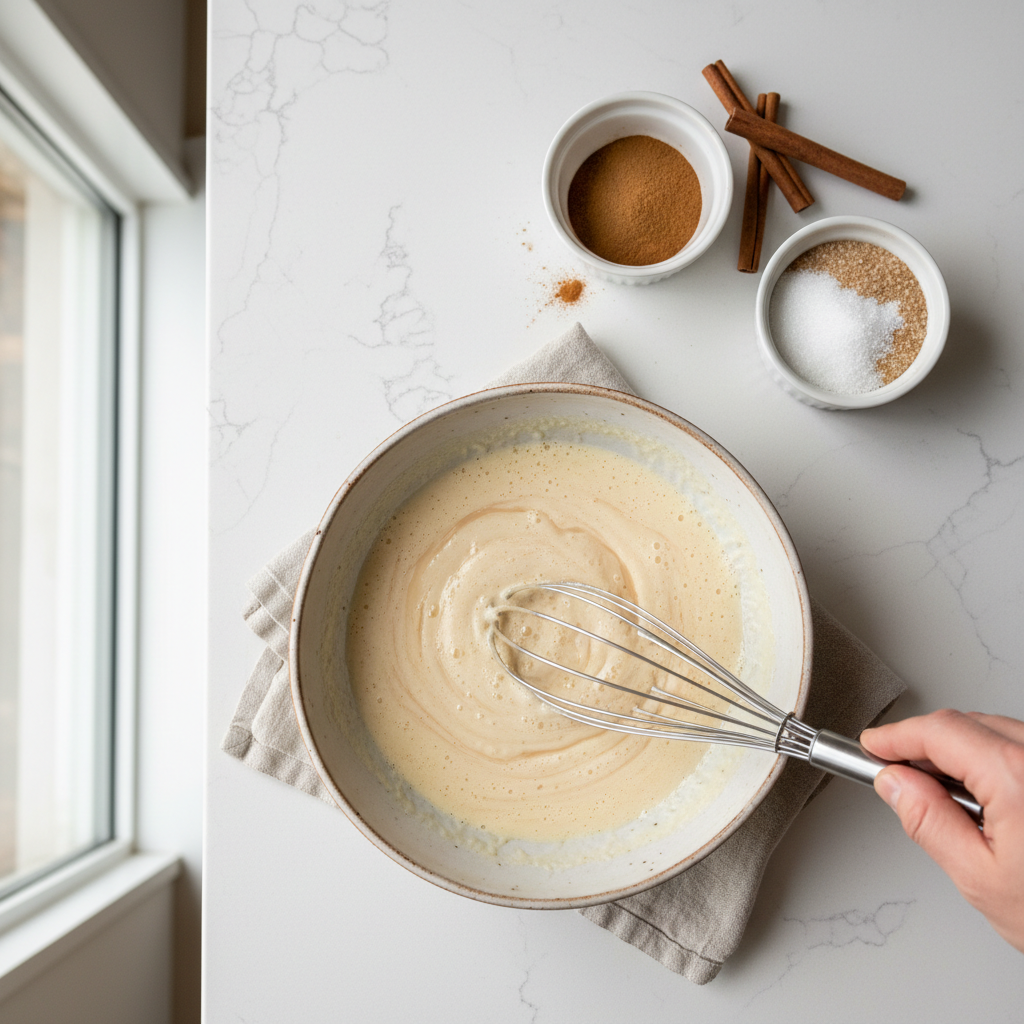
- 2 large eggs
- 1/2 cup whole milk (or 1/4 cup milk + 1/4 cup half-and-half)
- 1 to 2 tsp sugar (optional, keep it light)
- 1 tsp vanilla, pinch of salt
- Optional spice: cinnamon or nutmeg, but go easy because it can scorch
Whisk until smooth, then let it rest 2 minutes so bubbles settle, foam can create uneven cooking and patchy browning.
Soak time and technique: less drama, more crunch
This is where most home cooks accidentally sabotage themselves. You are not marinating the bread, you are coating it and letting it absorb just enough to cook through.
- Thick enriched bread (brioche, challah): 10 to 20 seconds per side often works.
- Very dry bread (day-old baguette): 20 to 40 seconds per side, watch it closely.
- Thin soft bread: quick dip only, or skip it for crisp-focused batches.
After dipping, hold each slice over the bowl for a couple seconds so excess custard drips off. That tiny pause helps prevent a thick wet layer, which is the enemy of a crisp exterior.
Key point: if you see liquid pooling on the surface, it is too much soak or too thin a custard, adjust before you cook the next slice.
Pan heat and fat: the real “crisp switch”
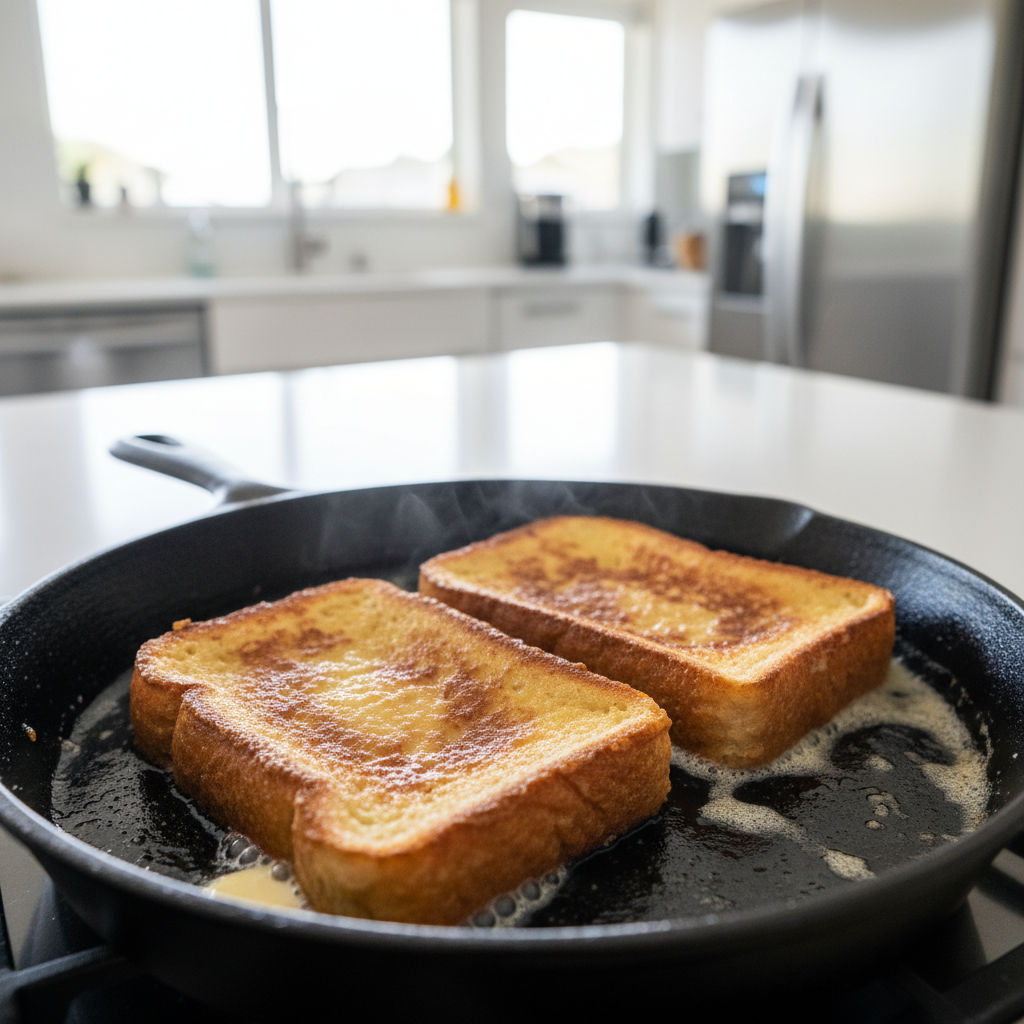
If you have ever wondered why one batch stays pale and soft, the pan probably never recovered its heat between slices. Crispness needs a confident sizzle on contact, not a quiet simmer.
Skillet setup that works in most kitchens
- Use a heavy skillet or griddle (cast iron and stainless steel both shine).
- Preheat on medium to medium-high until a drop of water skitters.
- Add fat, then cook immediately, butter gives flavor, oil gives higher heat stability.
A practical combo: 1 tsp butter + 1 tsp neutral oil per batch. Butter alone can burn before the inside sets, especially if your stove runs hot.
Cook 2 to 4 minutes per side, then reduce heat slightly if browning too fast. The goal is deep golden, not blond, not mahogany.
Quick troubleshooting table (soggy, burned, or bland)
If you are trying to figure out why your toast misses that crunch, this table usually gets you unstuck fast.
| Problem | Likely cause | Fix for next batch |
|---|---|---|
| Soggy center | Over-soaked or bread too fresh | Shorten dip, use thicker/day-old slices, let dipped bread drip longer |
| Pale, soft exterior | Pan not hot, overcrowding | Preheat longer, cook fewer slices at once, wipe pan and reheat between batches |
| Burnt outside, raw inside | Heat too high, too much sugar | Lower heat, reduce sugar in custard, finish in warm oven if needed |
| Eggy taste | Too much egg or uneven whisking | Add a bit more dairy, whisk thoroughly, include a pinch of salt and vanilla |
| Not crispy after plating | Steam trapped under toast | Rest on a rack, not a plate, keep warm in oven with airflow |
Make it crispy on purpose: 3 practical methods
Once the basics are right, you can choose a method based on your kitchen and your patience level.
Method A: Skillet + oven hold (best for a crowd)
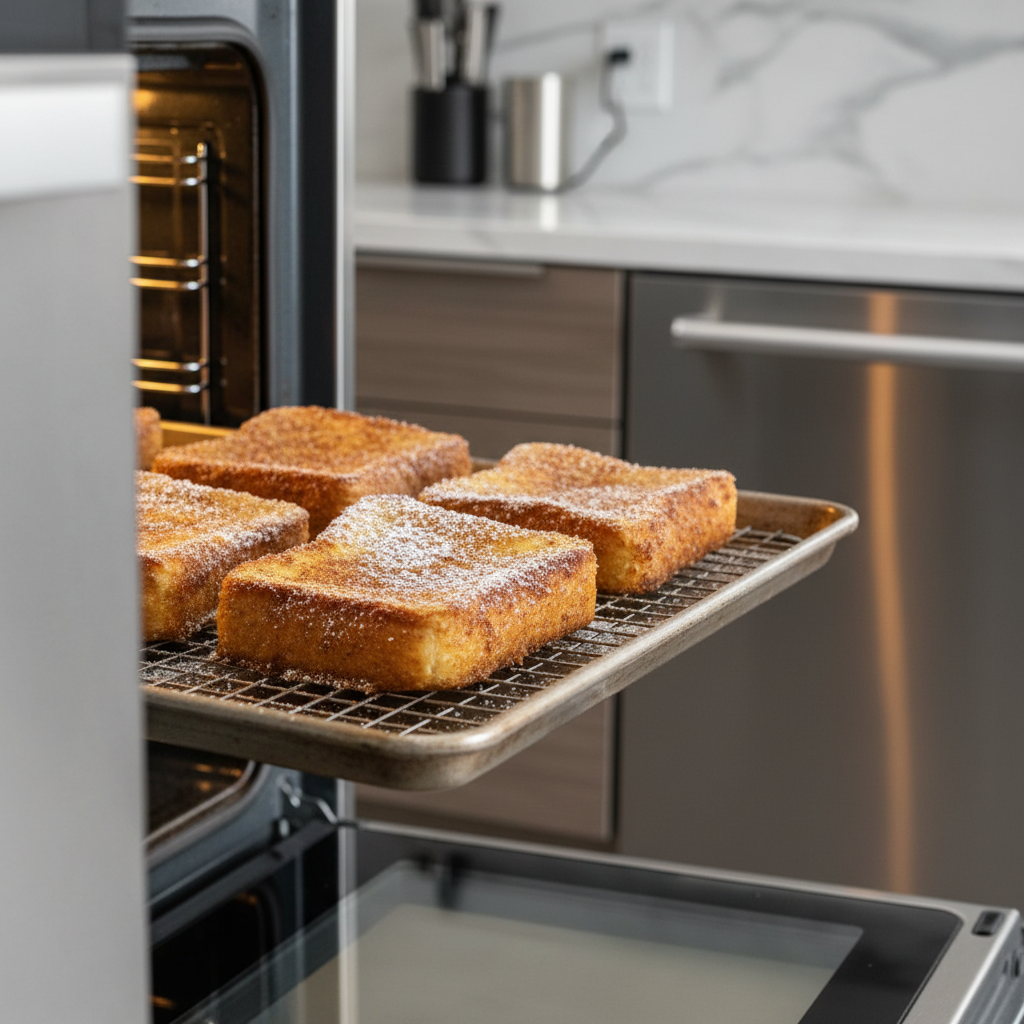
- Set oven to 200°F to 250°F.
- Place a wire rack on a sheet pan.
- Move cooked slices to the rack, keep them warm while you finish the batch.
This avoids the “stacked toast steam bath” that turns crisp edges soft. It also buys you time, which matters if you are chasing how to make french toast crispy for four people at once.
Method B: “Crunch coat” finish (when you want extra texture)
- After dipping, lightly press one side into finely crushed cornflakes or panko.
- Cook as usual, watch carefully because crumbs brown fast.
This works well for brunch presentations, but it can hide custard flavor if you overdo the coating, keep it light.
Method C: Air fryer re-crisp (best for leftovers)
- Air fry at 350°F for 3 to 5 minutes, flipping once.
- Do not crowd, airflow is the point.
Ovens work too, but the air fryer brings back edge crunch faster. If you serve kids or picky eaters, this is a low-stress save.
Key takeaways before you cook your next batch
- Bread choice matters, thick, slightly dry slices crisp more easily.
- Short soak beats long soak for crunch, drip off excess custard.
- Hot pan, steady heat, you want a real sizzle, not gentle steaming.
- Use a rack to prevent trapped steam from softening the crust.
- Keep sugar modest if you struggle with burning before the center sets.
Conclusion: crispy French toast is mostly a moisture plan
If you keep moisture in check, crisp edges come naturally, pick sturdier bread, mix a custard that coats instead of floods, and cook in a properly heated pan with enough fat to brown. When the timing feels tight, hold finished slices on a rack in a warm oven and you stay in the crunchy zone.
Next time you cook, try just two changes, use day-old thick slices and drip the custard longer before the pan. That small shift is often the difference between “fine” and the kind of French toast people ask about.
FAQ
- How do I make French toast crispy without burning it?
Keep the heat at medium to medium-high and use a mix of butter and neutral oil. If the outside darkens too fast, lower the heat slightly and cook a bit longer so the center sets. - What bread is best if I want crunchy edges?
Challah, brioche, and Texas toast usually crisp well, especially when slices are thick and slightly dried. Very fresh sandwich bread tends to stay soft unless you change the method. - Should I add more sugar for better browning?
A little sugar helps color, but too much can burn before the custard cooks through. Many people get better results keeping sugar low and adding sweetness with toppings. - Why does my French toast get soggy after I plate it?
Steam gets trapped under the toast, especially on a flat plate or when slices stack. Rest on a wire rack and keep warm in the oven so air can circulate. - Can I use skim milk or plant milk in the custard?
You can, but results vary by product. Lower-fat options may taste less rich and sometimes brown differently, so you might need a slightly hotter pan or a longer cook. - Is it safe to eat French toast that looks browned but feels wet?
Wet texture can mean undercooked egg custard. If you are unsure, cook longer at slightly lower heat, and consider using an instant-read thermometer; for personal risk questions, it is reasonable to consult a healthcare professional.
If you are trying to make weekend brunch feel simpler, keep a “French toast kit” mindset, a loaf you actually like, a shallow dish, a wire rack, and a pan you trust. Once those are set, dialing in how to make french toast crispy turns into a repeatable routine instead of guesswork.