
Yogurt recipes can be a surprisingly solid answer when you want a meal that feels “real,” not a snack that leaves you hungry an hour later. The trick is building structure, protein, fiber, and flavor, instead of stopping at yogurt plus fruit.
If you’ve tried making yogurt meals before and felt underwhelmed, you’re not alone. A lot of people default to sweet bowls that spike hunger later, or they buy flavored cups that taste great but don’t always fit their goals. This guide keeps it practical: what to choose, how to combine it, and several meal-ready ideas you can rotate all week.
I’ll also point out common pitfalls, like “healthy” add-ins that quietly turn a bowl into dessert, plus quick savory options for anyone who’s tired of sweet breakfasts. If you have medical nutrition needs, it’s smart to run big dietary changes by a registered dietitian or your clinician.
Pick the right yogurt for a meal (it matters more than the recipe)
Most “meal” success comes down to the base. You can make almost any yogurt work, but some types make it easier to hit your targets with less effort.
- Greek yogurt: Thick, usually higher protein, easier to keep you full. Great for bowls, marinades, and sauces.
- Skyr (Icelandic-style): Similar benefits to Greek yogurt, often very high protein and less tangy to some people.
- Plain traditional yogurt: More fluid, great for smoothies, dressings, and overnight oats.
- Plant-based yogurt: Can work well, but protein varies a lot by brand. Check the label if fullness matters.
According to the USDA, nutrition can vary widely between plain and flavored yogurt, especially for added sugars, so reading the label is worth the 10 seconds.
Meal-building formula: protein + fiber + “satisfying fat”
When yogurt becomes a full meal, it usually follows one simple pattern: you add at least two “anchors” that slow digestion and keep cravings down.
A quick checklist
- Protein anchor: Greek yogurt, skyr, cottage cheese blend, protein powder (if it fits you), or seeds/nuts.
- Fiber anchor: Oats, chia, flax, berries, apples, pears, high-fiber cereal, or beans (yes, for savory bowls).
- Satisfying fat (optional but helpful): Nut butter, nuts, seeds, olive oil (savory), avocado (savory).
- Flavor: Citrus zest, cinnamon, cocoa, vanilla, herbs, garlic, salsa, or curry spices.
If you tend to get hungry quickly, don’t blame yogurt right away. In many cases, the bowl is missing fiber or it’s too low-calorie for your day.
Healthy yogurt recipes for breakfast that actually hold up
These are built to feel like breakfast, not a garnish. Adjust portions to your appetite, activity level, and goals.
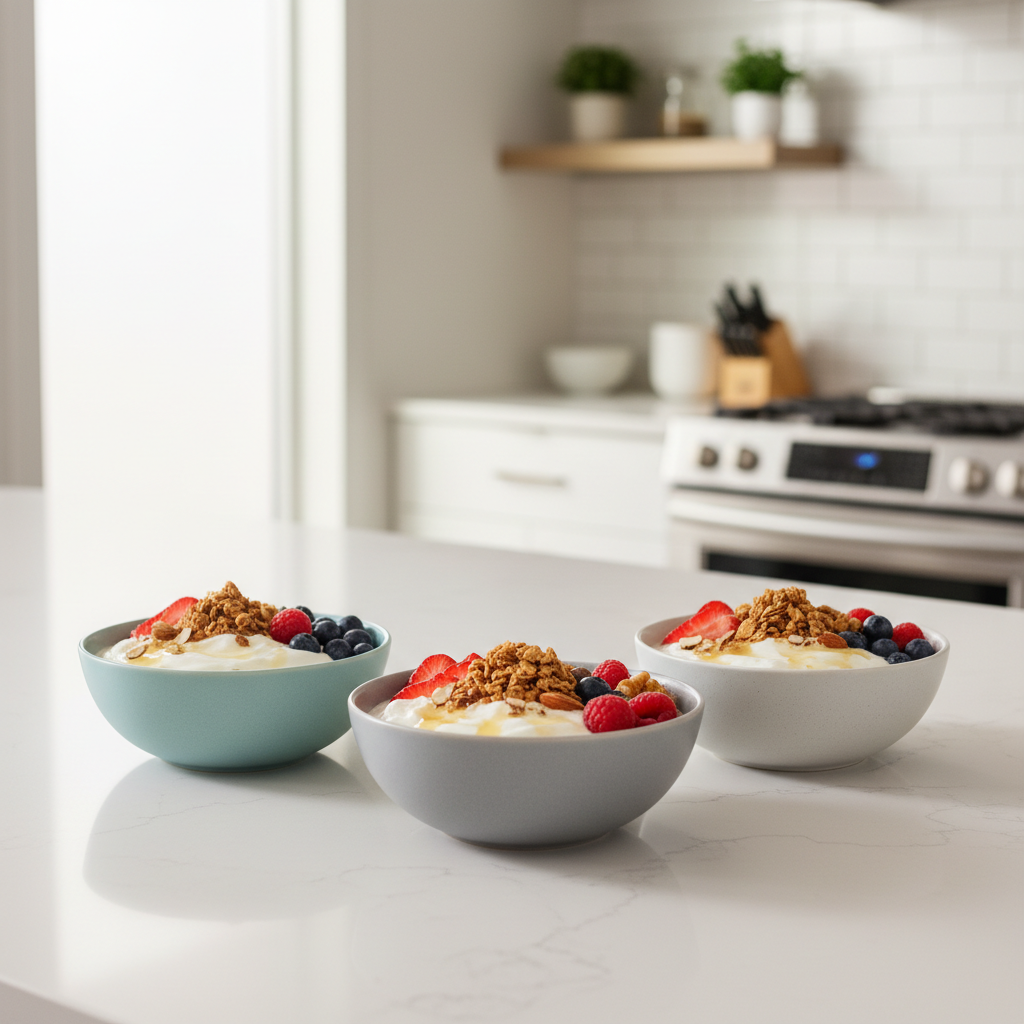
1) High-protein berry crunch bowl
- 1 cup plain Greek yogurt
- 1/2–1 cup berries (fresh or frozen, thawed)
- 2–3 tbsp granola or high-fiber cereal
- 1 tbsp chopped walnuts or almonds
- Cinnamon, pinch of salt, optional honey
Why it works: You get protein, fiber, and texture, which is often what “breakfast satisfaction” is really about.
2) Overnight oats with yogurt (no mushy sadness)
- 1/2 cup rolled oats
- 3/4 cup plain yogurt (any style)
- 1–2 tbsp chia seeds
- 1/2 cup milk or unsweetened alt-milk (adjust thickness)
- Fruit + cinnamon or vanilla
Mix in a jar, refrigerate 6–12 hours. If it gets too thick, loosen with a splash of milk in the morning.
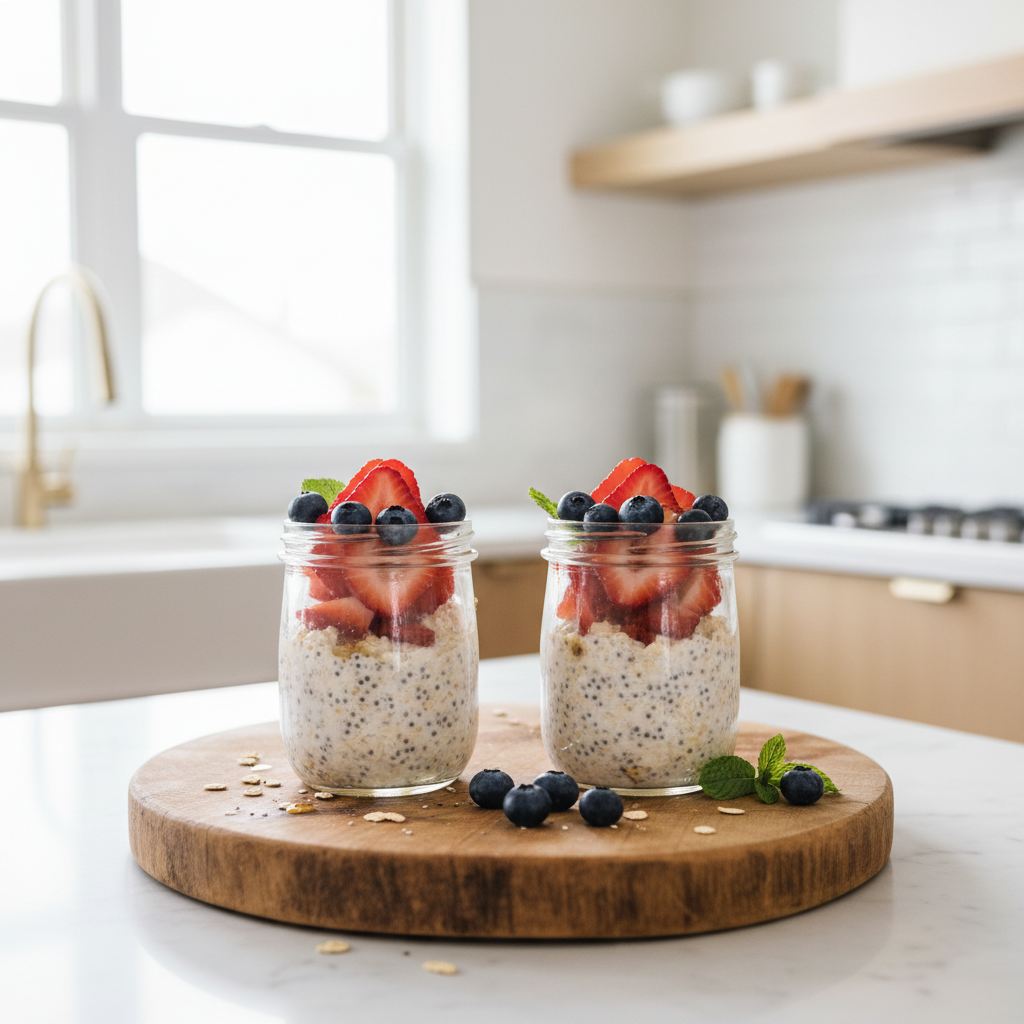
One small move that helps: keep toppings separate until eating, especially crunchy cereal, so the texture stays lively.
3) PB&J yogurt bowl (grown-up version)
- 1 cup plain Greek yogurt
- 1 tbsp peanut or almond butter
- 1/2 cup strawberries or raspberries (or a spoon of low-sugar jam)
- 1 tbsp ground flax or chia
It tastes like comfort food, but it’s still a balanced bowl when you keep the sweet part modest.
Savory yogurt recipes for lunch and dinner (yes, it works)
If sweet yogurt makes you feel like you’re eating “breakfast food” at 2 p.m., go savory. This is where yogurt turns into sauce, dressing, and marinade, and it starts to feel like a legit meal component.
1) Quick yogurt chicken salad (lighter, still satisfying)
- Shredded cooked chicken (or canned chicken in a pinch)
- Plain Greek yogurt instead of most or all mayo
- Diced celery, red onion, grapes or apple (optional)
- Dijon, lemon juice, salt, pepper
Serve in a wrap, on whole-grain toast, or over greens. If you miss the richness of mayo, keep a small spoon of mayo and let yogurt do the rest.
2) 10-minute yogurt tahini-style dressing (no blender)
- 1/2 cup plain yogurt
- 1–2 tbsp tahini (or olive oil if you prefer)
- Lemon juice, garlic, salt
- Warm water to thin
Use on salads, grain bowls, roasted vegetables, or as a dip for pita and crunchy veggies.
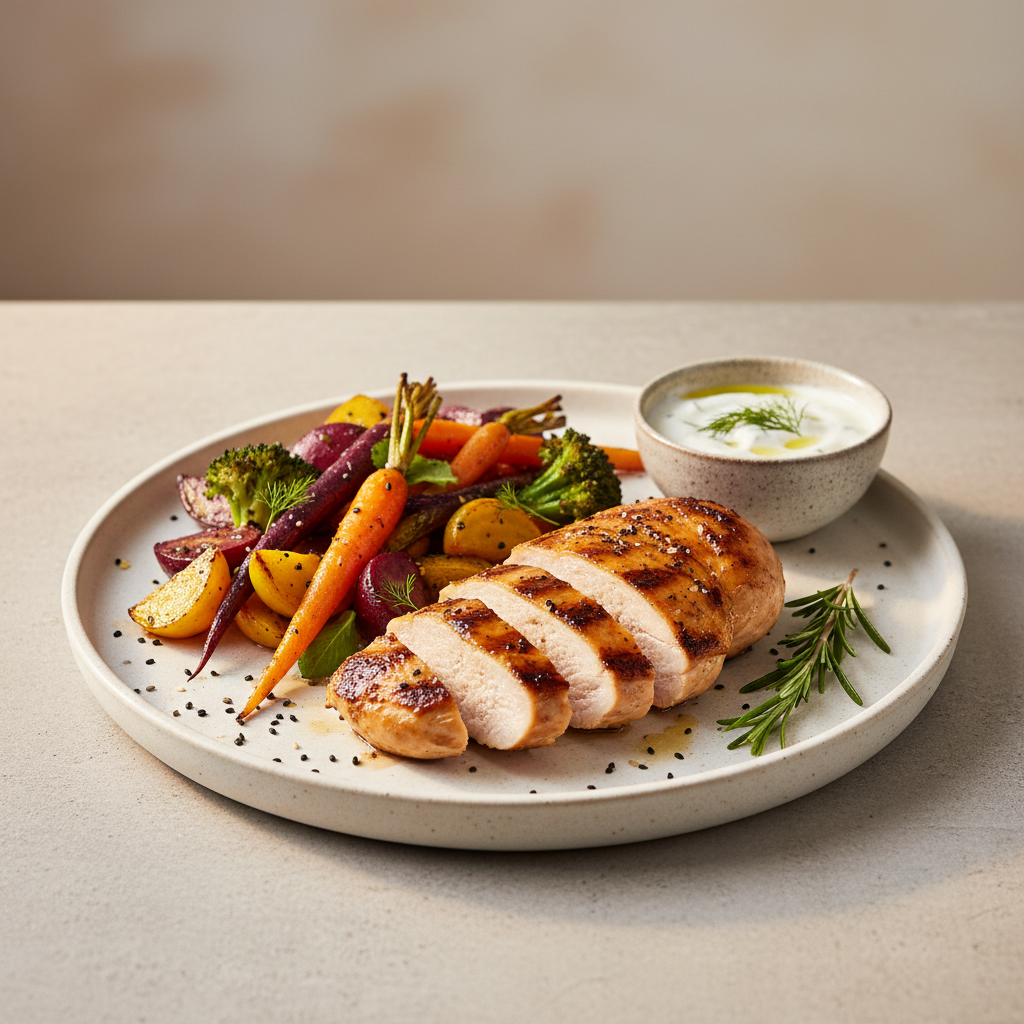
3) Spiced yogurt marinade for sheet-pan dinner
- 1 cup plain yogurt
- Garlic, paprika, cumin, salt, pepper
- Chicken thighs, tofu, or cauliflower
Marinate 30 minutes to overnight, then roast with veggies. Yogurt helps keep proteins tender, which is why this technique shows up in several cuisines.
Snack-to-meal upgrades (when you’re busy and still want “healthy”)
Sometimes you don’t need a new recipe, you need a smarter assembly plan. These upgrades take 2 minutes and move a cup of yogurt closer to meal territory.
| Starting point | What’s missing | Fast upgrade |
|---|---|---|
| Flavored single-serve yogurt | Protein/fiber balance | Add chia + a handful of berries + nuts |
| Plain yogurt + fruit | Staying power | Add oats or high-fiber cereal + nut butter |
| Yogurt smoothie | Texture and satiety | Blend with oats, then top with granola |
| Yogurt dip + veggies | Calories and carbs | Add whole-grain pita, beans, or a sandwich |
For many people, the biggest “upgrade” is simply making the bowl bigger and adding something chewy, oats or cereal changes the game.
Practical tips: prep, storage, and taste fixes
Yogurt meals are easy, but a few small choices can make them feel either fresh or kind of sad.
- Meal prep: Pre-portion yogurt in containers, but keep crunchy toppings separate until serving.
- Freeze fruit on purpose: Frozen berries thaw into a jammy texture, great when you want sweetness without much added sugar.
- Too tangy? Add vanilla, cinnamon, or a pinch of salt, then sweeten lightly if needed.
- Too runny? Use Greek yogurt, or stir in chia and wait 5–10 minutes.
- Food safety: If a yogurt bowl sits warm for a while, it’s safer to toss it. When in doubt, follow FDA-style guidance and keep perishable foods chilled, especially for lunchboxes.
According to the FDA, perishable foods should not sit out at room temperature for long periods; if you routinely eat on the go, an insulated bag and ice pack is a boring but helpful habit.
Common mistakes (and what to do instead)
- Relying on flavored yogurt as the base: It can be fine sometimes, but if you’re using it daily, consider plain yogurt plus your own flavor add-ins so you control sweetness.
- Going all-in on “healthy” toppings: Nuts, granola, and nut butter are great, but portions add up fast. If your goal is weight management, measure once or twice until your eyeballing feels accurate.
- Making it too low-calorie: A tiny bowl might look virtuous, then you end up grazing all morning. Build a meal you can trust.
- Skipping salt in sweet bowls: A tiny pinch can make fruit and chocolate flavors pop, so you need less sweetener.
Key takeaways (so you can actually use this)
- Choose a base you like, then build around it, not the other way around.
- Use the formula: protein + fiber + (optional) satisfying fat.
- Rotate sweet and savory to avoid getting bored, savory options often feel more “meal-like.”
- Prep smart: separate crunchy toppings, and keep yogurt cold for safety and taste.
Conclusion: make yogurt meals boringly easy
The best yogurt recipes are the ones you’ll repeat without thinking, a dependable bowl for busy mornings, a savory sauce for weeknight dinners, or an upgraded cup that keeps you from random snacking. Pick two go-to combos from this list, stock the add-ins, and give it a week before you judge whether yogurt can carry a full meal for you.
If you want a simple starting plan, choose one sweet breakfast bowl and one savory lunch option, then keep the ingredients consistent so you’re not reinventing anything midweek.
FAQ
What type of yogurt is healthiest for yogurt recipes?
It depends on your needs, but plain yogurt is usually the easiest foundation because you control sweetness. Greek yogurt or skyr can be helpful if you want more protein per serving.
Are yogurt recipes good for weight loss?
They can be, especially when you build a filling bowl with protein and fiber. The common snag is portions of granola, honey, and nut butter quietly pushing calories up, so a quick portion check may help.
How do I make yogurt a complete meal, not a snack?
Add at least one fiber anchor like oats, chia, or fruit, and consider a fat source like nuts if you get hungry fast. A larger serving of plain Greek yogurt also tends to hold up better.
Can I use plant-based yogurt in these meal ideas?
Usually yes, but the nutrition profile varies by brand. If fullness is your priority, look for higher-protein versions and add chia, oats, or nut butter to round things out.
What are easy savory yogurt recipes for beginners?
Start with a yogurt dressing: plain yogurt, lemon, garlic, salt, and herbs. Use it on a grain bowl or as a dip, it’s forgiving and tastes “complete” fast.
How long do yogurt meal prep bowls last in the fridge?
Many bowls are best within 2–3 days for taste and texture, but it depends on what you add. Keep crunchy toppings separate, and if anything smells off, it’s safer to skip it.
Is it okay to eat yogurt every day?
For many people, yes, but tolerance varies, especially with lactose or certain gut conditions. If dairy triggers symptoms, consider lactose-free or plant-based options and ask a healthcare professional if you’re unsure.
How can I reduce sugar in yogurt recipes without losing flavor?
Use plain yogurt and build sweetness with fruit, cinnamon, vanilla, and a pinch of salt. If you still want sweetness, add a small amount of honey or maple syrup rather than relying on heavily sweetened bases.
If you’re currently staring at a fridge and thinking “I have yogurt, but I don’t have a meal,” pick one anchor (oats or chicken), add one flavor direction (berries-cinnamon or lemon-garlic), and keep the rest simple, that’s usually the fastest way to make these recipes stick.