
Cooking tips can feel endless online, but most home cooks don’t need 100 hacks, they need a few habits that make dinner calmer and more consistent.
This guide focuses on the spots where people usually get stuck: seasoning that falls flat, chicken that turns dry, vegetables that go soggy, and a kitchen that feels messy before the food even hits the table.
You’ll get practical techniques you can reuse across recipes, a quick self-check, and a small “do this tonight” plan so you can see results without buying new gear.
Start with the basics that change everything (not fancy tricks)
If your meals taste “fine” but not great, it’s often because a few fundamentals aren’t consistent yet: heat control, salt timing, and prep. Fixing these doesn’t make you slower, it usually makes you faster because you stop backtracking.
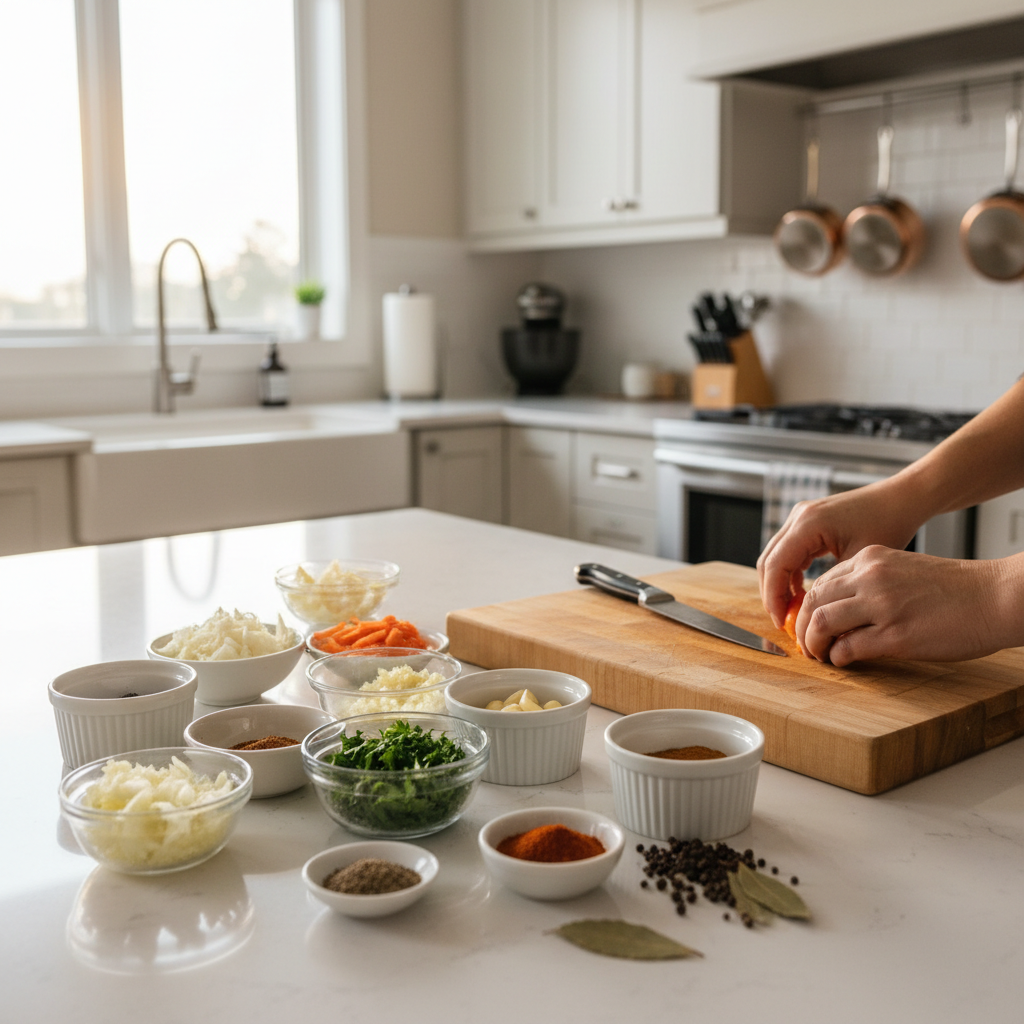
Think in “repeatable moves,” not recipes. Sautéing aromatics, building a pan sauce, roasting at high heat, simmering a stew base, these moves show up everywhere. Once they click, new recipes stop feeling risky.
- Heat control: Preheat your pan, then adjust. A burner knob isn’t a gas pedal you floor once and forget.
- Salt timing: Salt in layers during cooking, then fine-tune at the end.
- Prep: Cut first, cook second. You’ll make fewer mistakes when you’re not scrambling mid-sauté.
Quick self-check: what’s actually causing “meh” meals?
Before changing everything, pinpoint your pattern. Most frustrations fit into a few buckets, and each bucket has a different fix.
- Food tastes bland: likely under-salted, not enough acid, or no browning.
- Food tastes salty but still flat: usually missing acid (lemon/vinegar) or balance (sweetness/fat).
- Meat turns out dry: heat too high too long, or you’re not resting it.
- Vegetables are soggy: overcrowded pan, too much moisture, or oven not hot enough.
- Everything takes forever: weak prep routine and no “plan for leftovers.”
According to USDA Food Safety and Inspection Service, using a food thermometer is the most reliable way to confirm doneness and improve food safety, especially for poultry and ground meats. If you tend to overcook “just to be safe,” this is often the simplest way to get juicier results without guessing.
Flavor building: salt, acid, fat, and heat (the balanced-plate cheat sheet)
When a dish tastes like it’s missing something, it’s usually not more spices. It’s balance. A lot of reliable cooking tips boil down to learning what lever to pull.
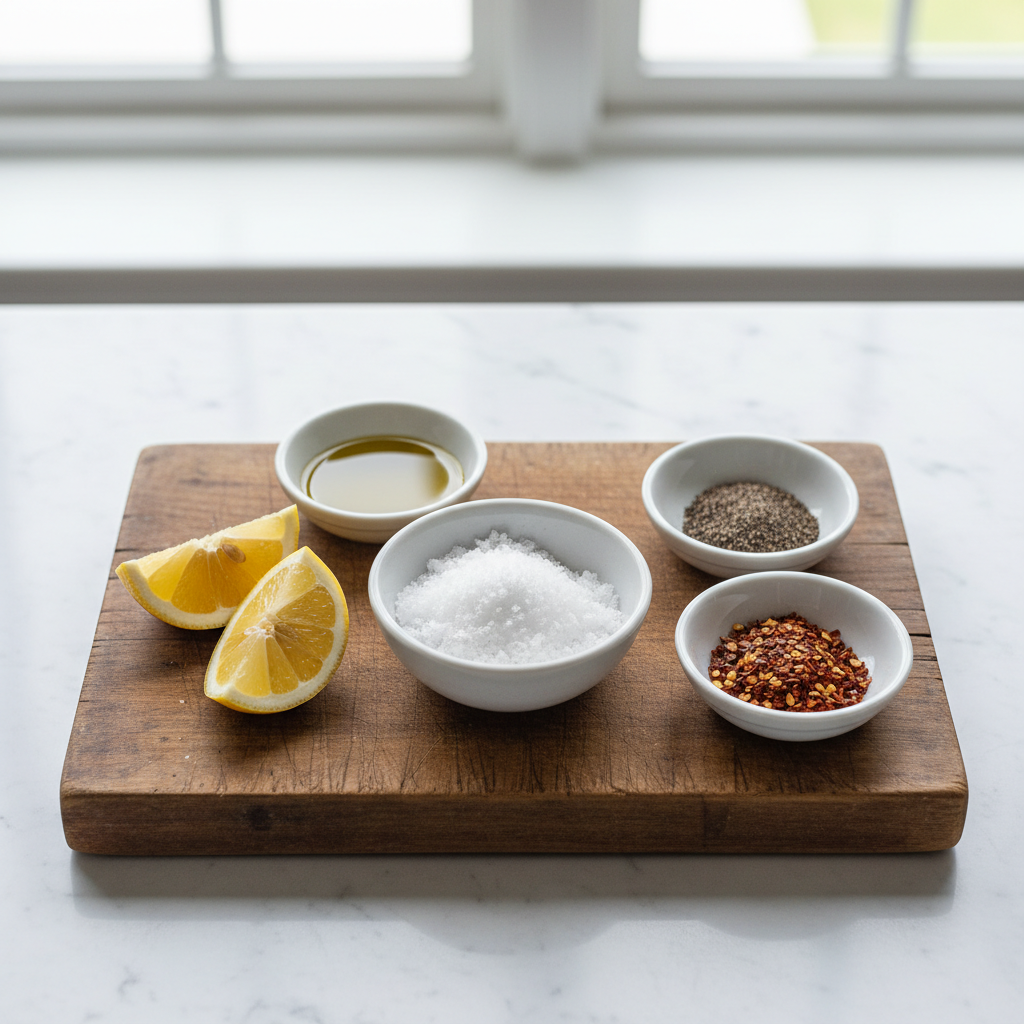
A simple “fix it” framework
- Too flat: add a small pinch of salt, then a tiny splash of acid (lemon juice or vinegar).
- Too sharp or acidic: add a bit of fat (butter, olive oil, yogurt) or a touch of sweetness.
- Not savory enough: increase browning, add sautéed onions/garlic, or use umami boosters (tomato paste, Parmesan, soy sauce).
Don’t chase flavor with random shakes of spice. Spices help, but if you skip browning or never add acid, the dish still reads dull.
Heat control that actually works on a weeknight
Most home stoves run hotter and less evenly than people expect, and many pans need more preheat time than you think. The result is sticking, steaming, or scorched garlic.
Three practical rules
- Dry food browns, wet food steams: pat proteins dry, don’t add watery vegetables to a pan that’s supposed to sear.
- Give food space: if the pan looks crowded, cook in batches. It feels slower, but it prevents the “gray chicken” problem.
- Use medium more often: medium heat plus time usually beats max heat plus panic.
When you’re roasting, use the oven’s strengths: high heat, dry air, and steady temperature. For many vegetables, a hotter oven with enough space on the sheet pan is the difference between crisp edges and limp results.
Knife and prep habits that save time (and fingers)
You don’t need chef-level knife skills, but you do need a setup that keeps you from fighting your tools.
- Stabilize the cutting board: a damp paper towel underneath stops sliding.
- Pick one “prep zone”: keep trash bowl, cutting board, and seasonings within arm’s reach.
- Cut for cook time: small pieces cook fast, big pieces give you a wider doneness window.
According to FDA, washing raw poultry is not recommended because it can spread bacteria around the sink and countertops. If you’re worried about cleanliness, focus on handwashing, clean surfaces, and cooking to a safe temperature.
A small set of tools that genuinely matter
Gear won’t replace technique, but a few basics remove friction. If you’re shopping, prioritize items that improve consistency, not gadgets that only do one trick.
Tool priority table
| Tool | Why it helps | What to look for |
|---|---|---|
| Instant-read thermometer | More accurate doneness, less overcooking | Fast read time, clear display, easy to clean |
| Heavy skillet (stainless or cast iron) | Better browning and heat retention | Flat bottom, comfortable handle, oven-safe if possible |
| Sheet pan + rack | Crisper roasting, easier batch cooking | Rimmed pan, sturdy rack that fits |
| Sharp chef’s knife | Faster prep, cleaner cuts | Feels stable in your hand, easy to sharpen |
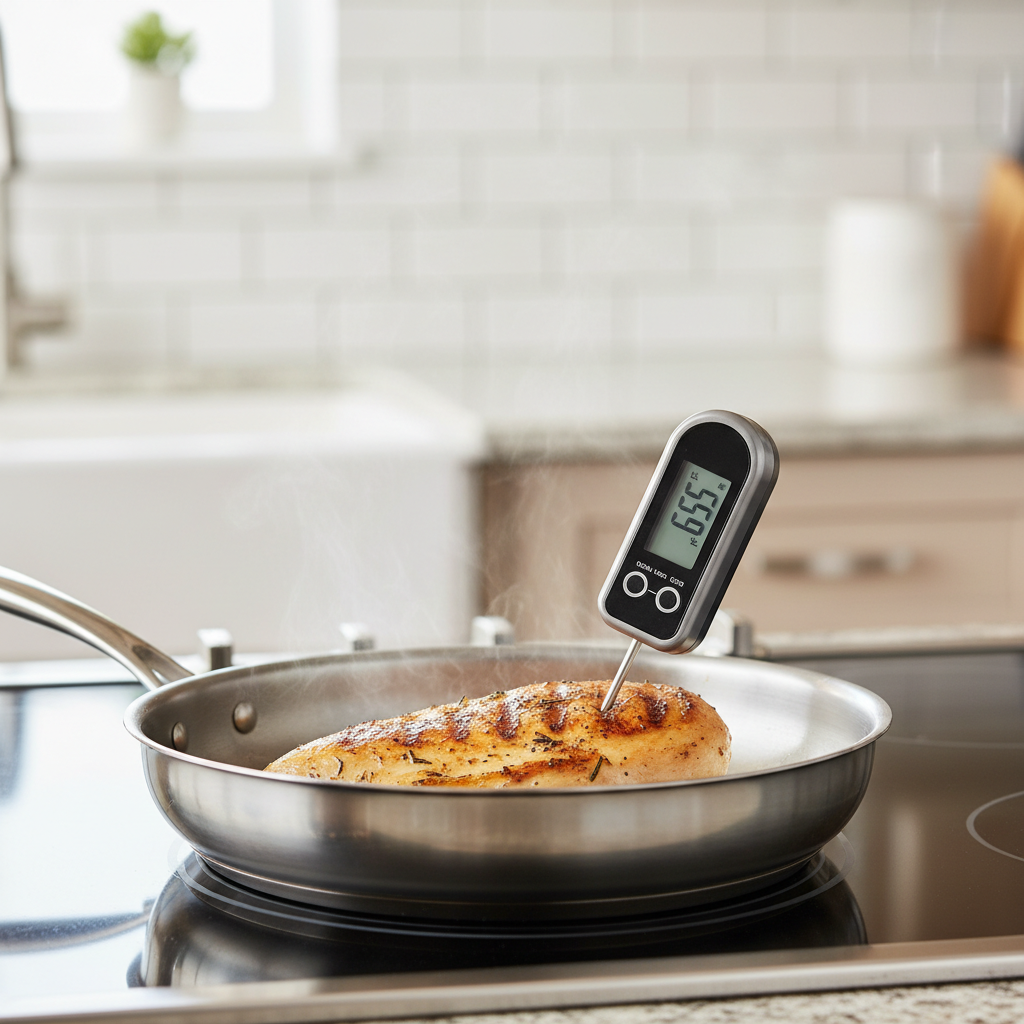
Key point: if you buy only one “upgrade,” a thermometer often changes the most outcomes for the least money, especially if you cook meat regularly.
Practical “do this tonight” routines for better results
If you want results fast, pick one routine and repeat it three times this week. That repetition is where the skill shows up.
Routine A: Better chicken without drama
- Pat dry, salt 20–40 minutes ahead if you can, even 10 minutes helps.
- Sear over medium-high until you get real browning, then finish on lower heat or in the oven.
- Rest a few minutes before slicing so juices redistribute.
Routine B: Vegetables with crisp edges
- Use a hot oven and a preheated sheet pan if your timing allows.
- Don’t crowd the pan, give pieces space.
- Add salt early, add acid (lemon/vinegar) at the end for brightness.
Routine C: A 10-minute pan sauce (makes “plain” feel intentional)
- After cooking protein, pour off excess fat, keep browned bits.
- Add minced shallot/garlic briefly, then deglaze with broth or wine.
- Simmer, whisk in a small knob of butter, finish with lemon and pepper.
Common mistakes that waste effort (and how to avoid them)
Some mistakes look minor, but they quietly ruin texture or flavor. If you fix these, a lot of other cooking tips become optional.
- Seasoning only at the end: the interior never gets a chance to taste good.
- Cooking everything on the same heat: eggs, onions, and steak don’t want the same intensity.
- Skipping tasting: taste at least twice, mid-cook and right before serving.
- Overcrowding pans: it turns “sear” into “steam.”
- Confusing spicy with flavorful: heat is a tool, not the whole plan.
If you’re managing a health condition or a specialized diet, it may help to check guidance with a registered dietitian or another qualified professional, especially for sodium, fats, or allergens.
Conclusion: keep it simple, get consistent, then get creative
The best cooking tips usually feel a little boring: control heat, season in layers, taste as you go, and use a thermometer when safety or doneness feels uncertain. Boring is good, boring means repeatable.
Pick one routine from above and run it three times this week, then add just one new variable, a different herb, a new vegetable, or a new sauce. That’s how confidence builds without turning dinner into a project.
FAQ
What are the most useful cooking tips for beginners who feel overwhelmed?
Stick to a small set of repeatable meals and focus on heat control and seasoning. When you can reliably brown, simmer, and roast, most recipes become variations instead of brand-new challenges.
How do I fix a dish that tastes bland even after I add salt?
Try a small splash of acid like lemon juice or vinegar, then taste again. Many dishes read “flat” because they need brightness, not more salt.
Why does my chicken come out dry even when I follow recipes?
Recipes can’t perfectly match your stove, pan, or chicken thickness. An instant-read thermometer helps you stop cooking at the right moment, then resting prevents juices from running out when you slice.
Do I really need to let meat rest?
Usually, yes, especially for larger cuts. Resting gives juices time to redistribute, which can make the same piece of meat feel noticeably juicier.
What’s the easiest way to make vegetables taste better?
Roast them with enough space for browning, then finish with something bright like lemon zest. Texture plus a final hit of acid often does more than extra seasoning blends.
How can I cook faster on weeknights without eating boring food?
Build a prep habit: wash and chop once, then reuse across meals. Keeping one quick sauce pattern (like a pan sauce or a yogurt-herb sauce) also makes simple proteins feel different night to night.
Is it safe to leave food out to cool before refrigerating?
Food safety can vary by situation, but in general you want to refrigerate perishable foods promptly and avoid leaving them at room temperature for long stretches. When in doubt, check current guidance from USDA or your local health authority.
What’s one tool that improves results for most home cooks?
An instant-read thermometer is a strong candidate because it improves consistency and safety, especially for poultry and ground meats, and it reduces the urge to overcook “just in case.”