
best turai ki sabzi recipe ridge gourd searches usually come from one place: you tried cooking ridge gourd, and it turned watery, bland, or oddly mushy. The good news is it’s rarely the spice mix—it’s moisture control and timing.
This recipe aims for what most people want from turai sabzi: soft (not collapsing), lightly tangy, well-spiced, and “everyday” enough to pair with roti or rice. No fancy ingredients, just a few smart moves that make a big difference.
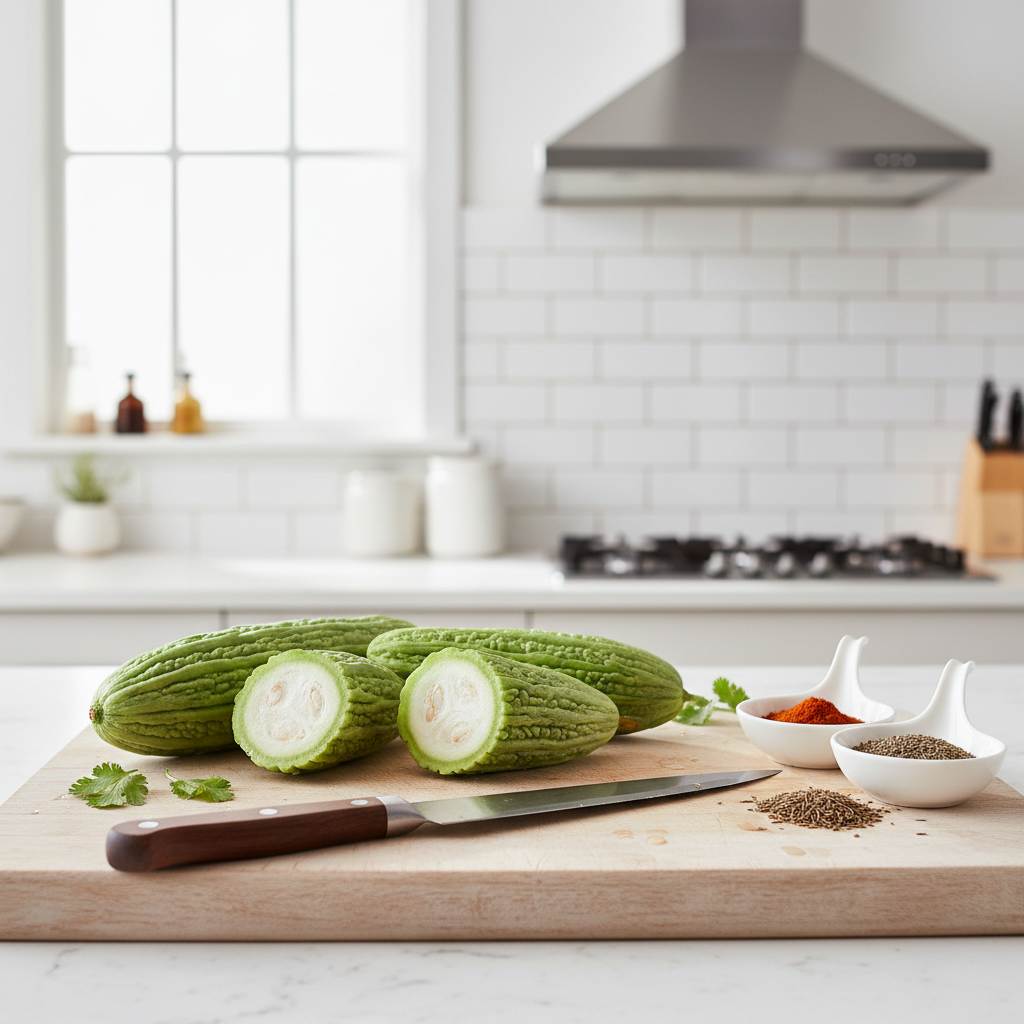
If you’ve never cooked ridge gourd before, one quick note: it releases a lot of water once salted and heated. So we’ll build flavor before it dumps liquid, and we’ll finish with a texture check rather than a fixed time.
What makes ridge gourd sabzi go watery (and how this recipe prevents it)
Most “watery turai” stories come from one of these situations, and they’re easy to fix once you know what to watch for.
- Salt too early: salting ridge gourd at the start pulls moisture out fast, diluting your masala.
- Not frying the masala enough: onion-tomato-spice base needs a few minutes to cook down, or the final dish tastes raw and thin.
- Overcrowding the pan: too much veg in a small skillet traps steam, so it “boils” instead of sautéing.
- Overcooking: ridge gourd can go from tender to stringy-soft pretty quickly.
In this best turai ki sabzi recipe ridge gourd approach, we cook the masala until it looks glossy and slightly thick, then add turai and salt after it starts to soften, keeping the finish clean and spoonable, not soupy.
Ingredients and smart substitutions (US-friendly)
You can find ridge gourd in many Indian grocery stores labeled as ridge gourd, turai, or luffa. If it looks very mature with hard ridges, peeling becomes more important for texture.
- Ridge gourd (turai): 1 lb (about 450 g), peeled and chopped
- Oil: 2 tbsp neutral oil (or mustard oil if you like the punch)
- Cumin seeds: 1 tsp
- Onion: 1 medium, finely chopped
- Tomato: 1 large, chopped (or 3/4 cup canned crushed tomatoes)
- Ginger-garlic: 1 tbsp paste (or grated)
- Spices: turmeric 1/2 tsp, Kashmiri chili 1 tsp (or paprika + a pinch cayenne), coriander 1.5 tsp
- Optional but good: ground cumin 1/2 tsp, garam masala 1/2 tsp
- Tang: 1–2 tsp lemon juice or 1–2 tbsp chopped cilantro stems + extra tomato
- Salt: to taste (add in stages)
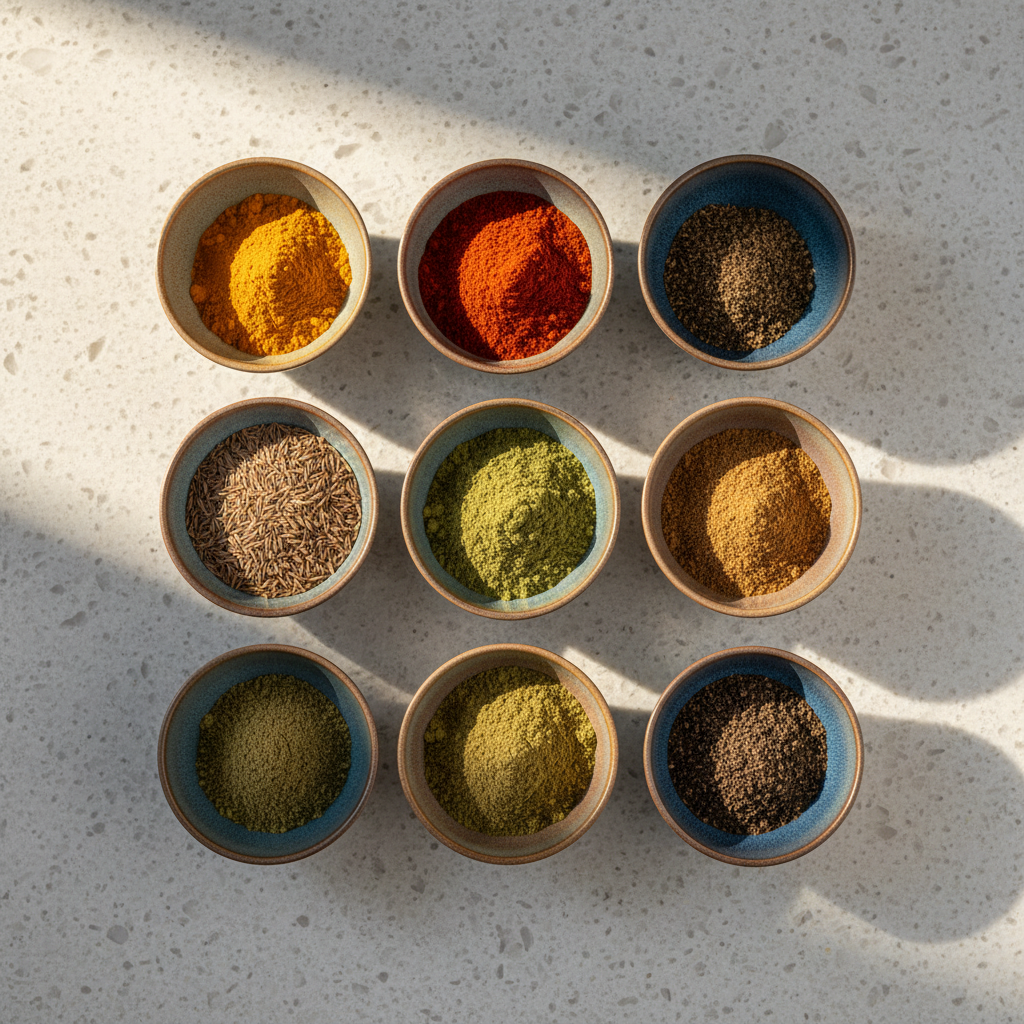
Spice heat tip: Kashmiri chili gives color with mild heat. If you only have cayenne, start tiny and build slowly.
Best Turai Ki Sabzi Recipe (step-by-step)
This is a classic onion-tomato masala method with a moisture-aware finish. Use a wide pan if you can.
1) Prep ridge gourd the right way
- Peel ridges with a vegetable peeler. If your turai is very tender, a light peel is enough.
- Chop into 3/4-inch pieces so it doesn’t dissolve too fast.
- Do not salt it now.
2) Build the base flavor
- Heat oil on medium. Add cumin seeds; let them sizzle 10–15 seconds.
- Add onion with a pinch of salt, cook until translucent and lightly golden at edges.
- Add ginger-garlic, cook 30–45 seconds until aromatic.
- Add tomato, cook until it breaks down and looks thicker (a few minutes).
- Add turmeric, chili, coriander (and ground cumin if using). Stir and cook 30–60 seconds.
Look for this cue: the masala starts to look glossy and cohesive, not wet and raw. That’s your “green light” for adding ridge gourd.
3) Cook turai without turning it into soup
- Add chopped ridge gourd and stir well so every piece gets coated.
- Cover and cook on medium-low 6–8 minutes, stirring once halfway.
- Uncover. Now add salt (start small), and cook 4–6 minutes more until tender.
If the pan looks dry early, add 1–2 tbsp water only. Ridge gourd usually releases enough moisture on its own.
4) Finish for balance
- Turn off heat. Add garam masala if using.
- Add lemon juice to brighten (or skip if your tomatoes are tangy enough).
- Top with cilantro.
That’s the core of a reliable best turai ki sabzi recipe ridge gourd version: flavorful masala first, salt later, and don’t chase “dry” by overcooking.
Quick doneness test: a simple checklist
Timing varies by how tender your ridge gourd is, and that’s why the texture check matters more than the clock.
- Perfect: pieces look glossy, hold shape, and mash with gentle pressure from a spoon.
- Undercooked: center feels firm, edges look stiff, masala tastes sharp.
- Overcooked: pieces collapse into strands, dish turns watery even if you started well.
When in doubt, stop a touch earlier. Residual heat keeps cooking it for a few minutes.
Flavor and texture variations (choose your lane)
This sabzi is flexible, but the results change fast with small tweaks, so pick one style and commit.
- Garlic-forward: add 2–3 sliced garlic cloves with cumin seeds, then proceed.
- South Indian-ish: add a pinch of mustard seeds + curry leaves, finish with coconut (1–2 tbsp) if you like.
- Extra cozy: add 1 small boiled potato cubed; it thickens the gravy naturally.
- Protein add-on: stir in cooked chickpeas at the end, warm through 2 minutes.
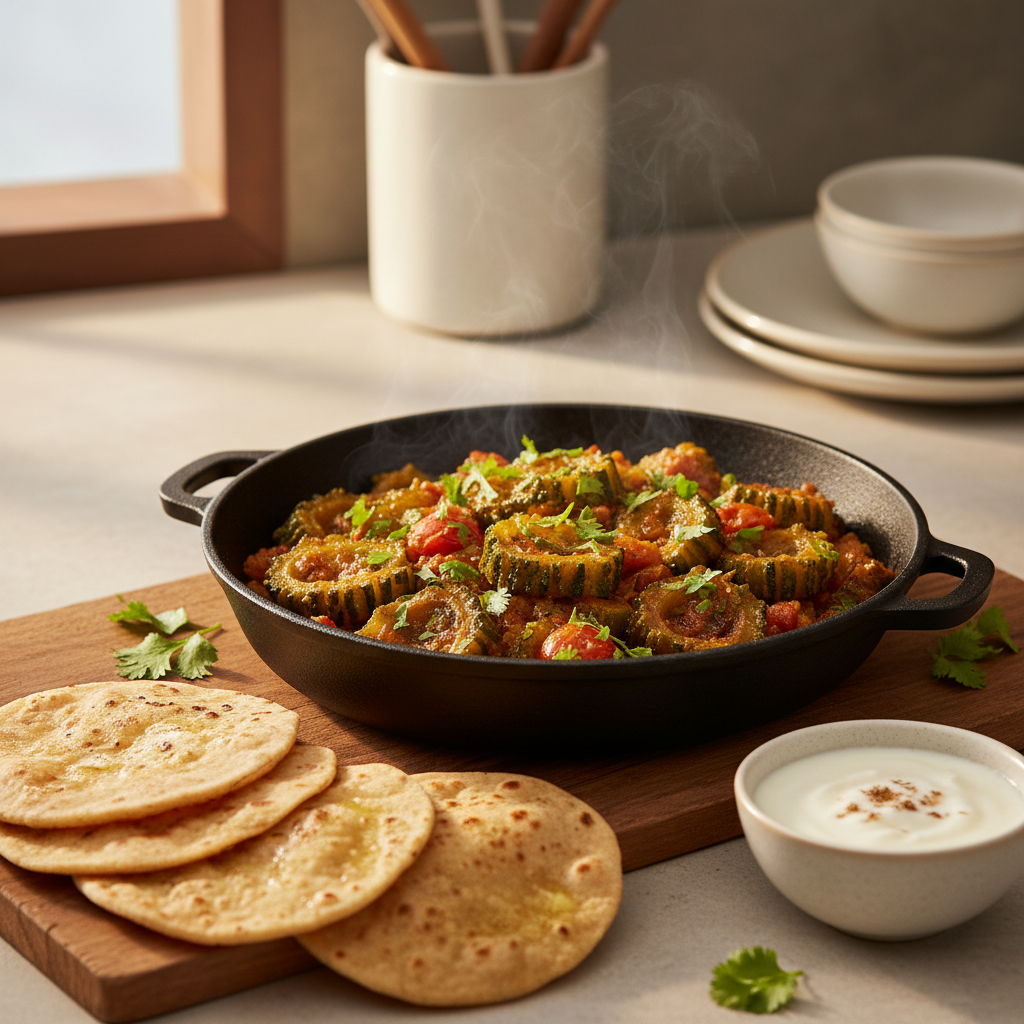
Reality check: if you add yogurt or coconut early, the dish can loosen and look thinner. It’s usually easier to add those near the end and keep control.
Cooking time, storage, and reheating (with a practical table)
Ridge gourd sabzi is best right after cooking, but it stores fine if you reheat gently.
| Task | What to do | Why it helps |
|---|---|---|
| Active cook time | 15–20 minutes | Masala needs enough time to cook down |
| Refrigerate | Cool, store in airtight container | Reduces watery separation and odors |
| Reheat | Low heat, uncovered, stir gently | Prevents extra steaming and breakdown |
| Adjust on reheat | Add a pinch of garam masala or lemon | Brings back brightness without more cooking |
Food safety note: storage times depend on your fridge and handling. If you’re unsure, follow general home food safety guidance. According to USDA Food Safety and Inspection Service, cooked leftovers should be refrigerated promptly and reheated properly.
Common mistakes that quietly ruin turai sabzi
- Adding water “just because”: most pans don’t need it, and it washes out flavor.
- Using a tiny saucepan: go wide so moisture can evaporate.
- Trying to brown ridge gourd: it doesn’t brown like potatoes; it softens and releases water.
- Heavy garam masala early: can turn bitter or overpowering, add near the end.
If you want a drier finish, cook uncovered for the last few minutes, and resist the urge to stir constantly.
Key takeaways (so you can repeat this without thinking)
- Cook masala until glossy before adding ridge gourd.
- Salt later to slow the moisture rush.
- Cover first, uncover later to soften then reduce.
- Stop at tender, not “completely falling apart.”
Once you get those four right, this best turai ki sabzi recipe ridge gourd style becomes a dependable weeknight option, especially when you want something light but still satisfying.
Conclusion: a simple sabzi that rewards small technique
Ridge gourd doesn’t need much to taste good, but it does need a little respect for timing, salt, and pan choice, and that’s where most recipes feel vague. Try the masala-first, salt-later method once, then tweak heat and tang to match your table.
If you make it this week, aim for texture over perfection, and jot down one note about your ridge gourd size and cook time, next time you’ll nail it faster.
FAQ
- Do I have to peel ridge gourd for turai ki sabzi?
Usually yes, at least lightly. The ridges can get fibrous, especially on larger gourds, and peeling helps the sabzi feel tender instead of stringy. - Why is my turai sabzi bitter?
Bitterness can happen if the ridge gourd is very mature, or if spices (especially garam masala) scorch. Keep heat moderate and taste the raw gourd if you’re unsure. - Can I make this recipe without onion or garlic?
Yes. Use cumin, hing (asafetida) if you cook with it, and a slightly higher tomato amount for body. Flavor shifts, but it still works. - How do I make turai sabzi less watery after cooking?
Cook uncovered on low-medium to reduce, and avoid aggressive stirring. If it’s still thin, a small boiled potato cube can thicken naturally without adding flour. - What can I use if I can’t find ridge gourd in the US?
Zucchini is the easiest substitute, though it’s milder and softer. Bottle gourd also works, but needs a bit longer cook time. - Is ridge gourd healthy?
It’s commonly treated as a light vegetable dish. For individual nutrition needs, especially if you manage a medical condition, it’s smart to check with a registered dietitian or clinician. - Can I freeze turai sabzi?
You can, but texture often turns softer after thawing. If you freeze, slightly undercook it and reheat gently, expecting a more “stew-like” result.
If you’re trying to build a small rotation of Indian-style vegetables that actually work on busy weeknights, keep this ridge gourd sabzi as your “low-effort, high-reliability” option, and if you want, tell me what you pair it with and I can suggest a spice tweak to match.