
california roll easy is really about two things: getting the rice right, and keeping the roll tight enough to slice cleanly without stressing out. You don’t need fancy gear, but a few small choices, like how you season and cool the rice, make the difference between “this works” and “why is this falling apart?”
California rolls are popular for a reason, they’re mild, kid-friendly, and they don’t require raw fish. That makes them one of the best entry points if you’ve wanted to try sushi at home but keep putting it off.
In this guide, you’ll get a practical ingredient list, a simple rolling method, and fixes for the usual problems: gummy rice, split nori, loose rolls, and ragged slices. I’ll also include a quick table for substitutions, because most home cooks want sushi tonight, not after a specialty-store run.
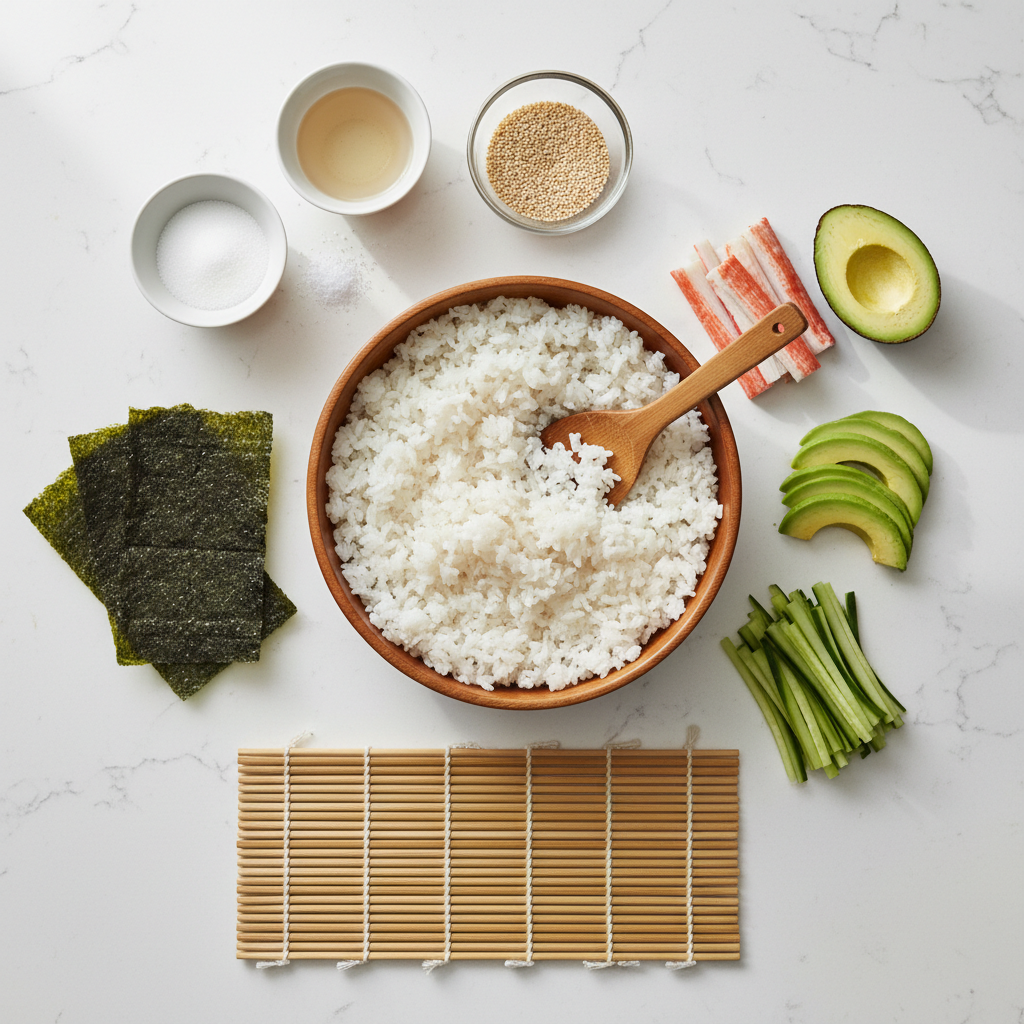
What You Need for an Easy California Roll
You can make a very respectable roll with a short list. If you’re missing one item, don’t panic, but do try to keep the rice, nori, and filling-to-rice balance in the right range.
Core ingredients (makes about 4–6 rolls)
- Sushi rice: Japanese short-grain rice works best
- Rice vinegar, plus sugar and salt for seasoning
- Nori sheets (seaweed)
- Imitation crab (surimi), shredded or sliced
- Avocado, ripe but not mushy
- Cucumber, seeded and cut into thin sticks
- Toasted sesame seeds (optional but very “California roll”)
Helpful tools
- Bamboo rolling mat (makisu) or a clean kitchen towel wrapped in plastic wrap
- Sharp knife (a dull knife is where clean slices go to die)
- Small bowl of water for wetting fingertips
Key point: keep fillings dry and thin. Overstuffing is the fastest way to turn a california roll easy plan into a rice explosion.
Rice Is the Whole Game (and It’s Fixable)
If your rolls fall apart, the culprit is usually rice texture or temperature. Sushi rice should feel slightly sticky so it holds, but individual grains should still exist.
How to cook and season sushi rice without overthinking it
- Rinse rice until the water runs closer to clear, this removes excess surface starch that can turn gummy.
- Cook according to your rice cooker or package directions for short-grain rice, then let it steam 10 minutes before opening.
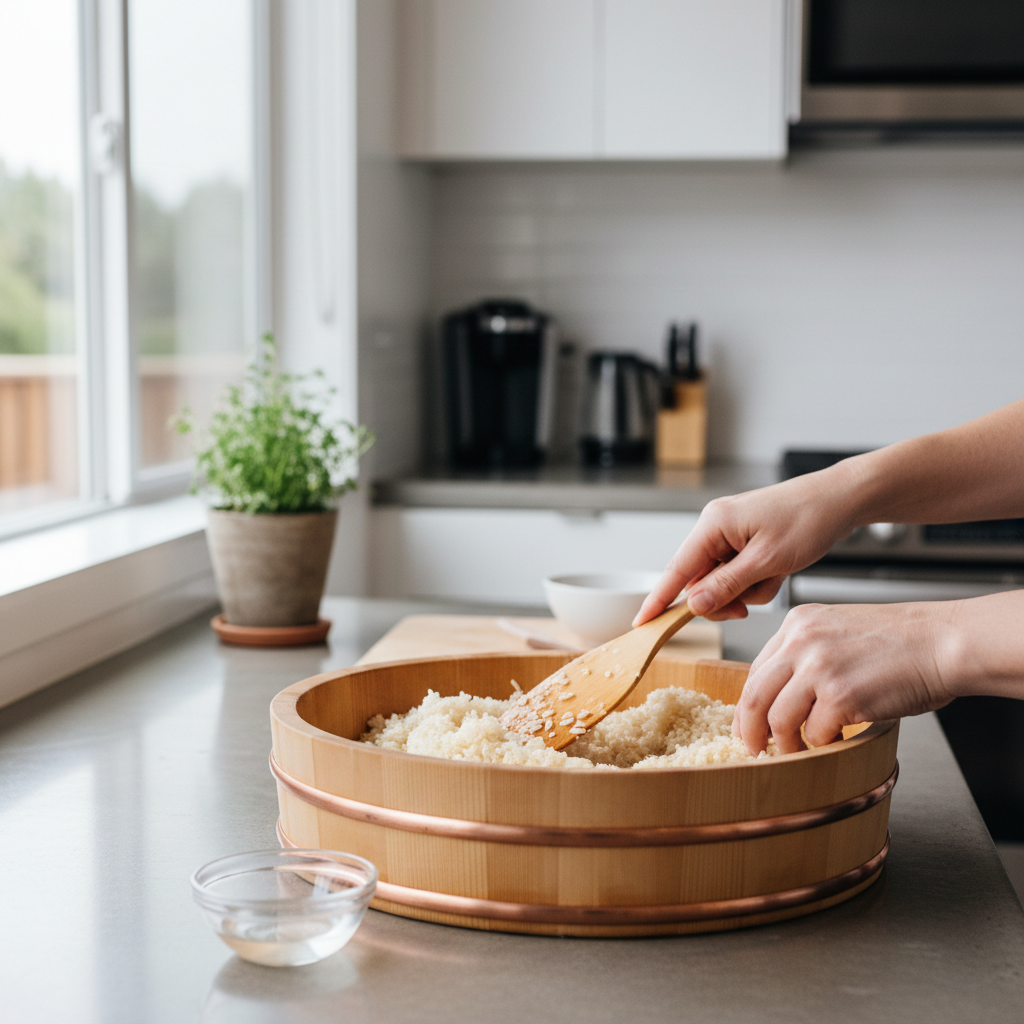
- Season while warm (not piping hot): gently fold in a mix of rice vinegar, sugar, and salt.
- Cool to near room temp before rolling. Too hot makes nori soggy; too cold makes rice stiff and hard to spread.
According to USDA Food Safety and Inspection Service (FSIS), cooked rice should not sit at room temperature for extended periods, so if you’re prepping ahead, keep timing tight and refrigerate leftovers promptly.
Quick Self-Check: Are You Set Up to Roll Successfully?
Before you start, run through this short checklist. It saves you from getting halfway through, then realizing the rice is too wet or the avocado is basically guacamole.
- Rice feels sticky but not wet, and it’s warm-to-room-temp, not hot.
- Nori sheets feel crisp, not bendy or damp.
- Crab is drained and patted dry if needed.
- Avocado slices hold their shape when you pick them up.
- Cucumber sticks are thin, and the watery center has been removed.
- Your knife is sharp, and you have a damp towel nearby.
If you can’t check at least four of these, pause and fix what’s off. It’s still a california roll easy night, just with fewer regrets.
Step-by-Step: California Roll (Inside-Out) Method
Inside-out is the classic California roll look: rice on the outside, nori on the inside. It’s also surprisingly forgiving because the rice layer helps everything stick together, as long as you don’t go too thick.
1) Prep your mat and nori
- Wrap the bamboo mat in plastic wrap (optional, but it keeps rice from gluing itself to the mat).
- Place a half sheet of nori on the mat, shiny side down.
2) Add rice and flip
- Wet your fingers, then spread a thin, even layer of rice over the nori, leaving about 1/2 inch bare at the far edge.
- Sprinkle sesame seeds over the rice.
- Flip so the rice faces down against the mat and the nori faces up.
3) Add fillings in a narrow line
- Place crab, cucumber, and avocado across the lower third of the nori.
- Keep the line tight and centered, avoid a big pile.
4) Roll and tighten
- Lift the mat edge closest to you, roll over the fillings, and keep gentle pressure as you go.
- Once it’s sealed, give the roll a light “shape squeeze” to square it up.
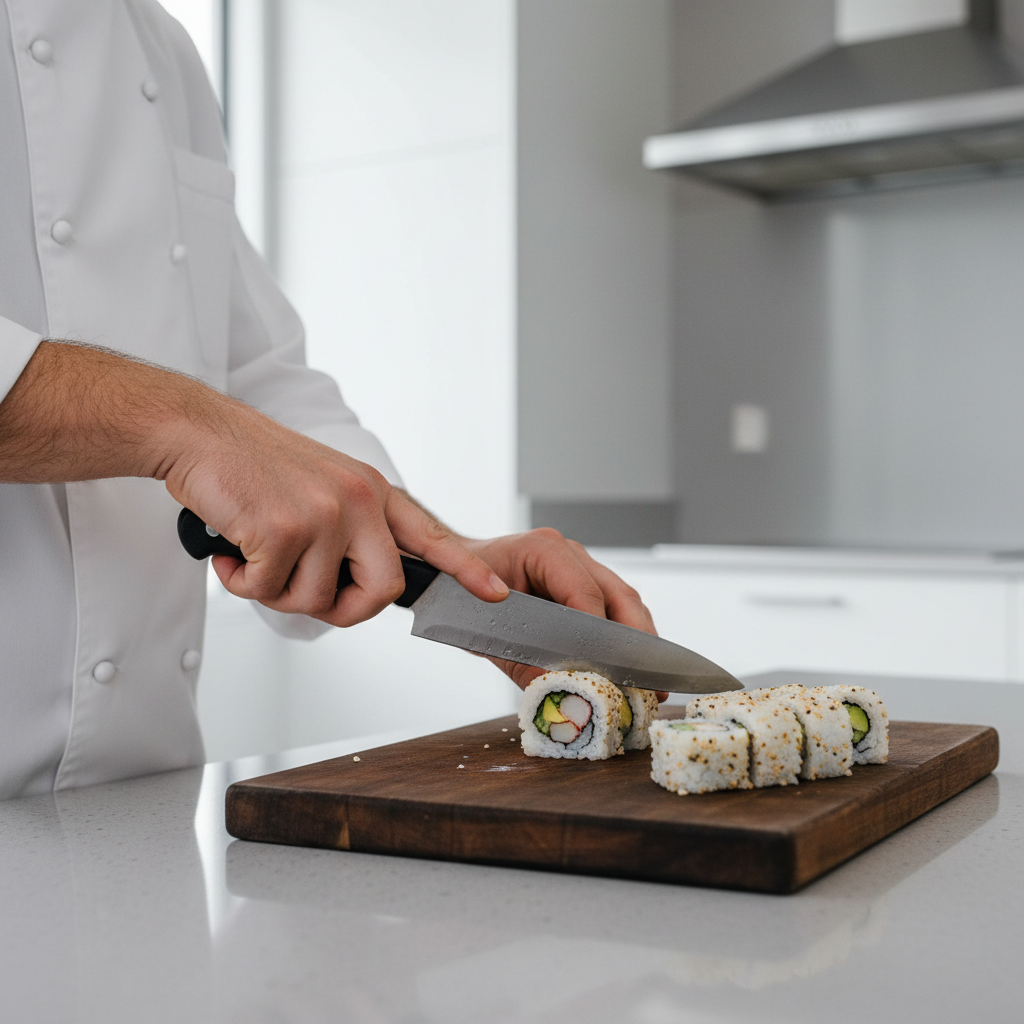
5) Slice cleanly
- Use a very sharp knife, wipe the blade damp between cuts.
- Cut the roll in half, line up the halves, then cut into 6–8 pieces.
Key point: don’t saw back and forth aggressively. One confident cut per slice usually looks cleaner.
Common Problems (and the Fix That Actually Works)
Most “bad sushi nights” are the same three issues repeated. Fix them once, and your next batch feels easy.
- Rice sticking to your hands: keep fingertips damp, not dripping, and work faster. If rice is overly wet, it may be overcooked or under-rinsed.
- Nori tearing: fillings are too bulky, or nori got soft from hot rice. Let rice cool a bit more and use thinner filling strips.
- Roll won’t stay tight: you didn’t compress during the first turn. Start the roll snug, then tighten with the mat after the seam meets.
- Messy slices: knife is dull or dry. Wipe, dampen, and sharpen if you can.
Substitutions and Variations (So You Can Use What You Have)
You can keep the california roll easy vibe and still swap ingredients, just stick to the same “texture roles”: creamy, crisp, and savory.
| What you’re missing | Good swap | What changes |
|---|---|---|
| Imitation crab | Cooked shrimp, cooked salmon, or tofu strips | More savory, sometimes less sweet |
| Avocado | Cream cheese (small amount) or mayo-mixed crab | Richer, heavier mouthfeel |
| Cucumber | Thin carrot sticks or blanched asparagus | More crunch, slightly sweeter |
| Sesame seeds | Masago/tobiko (if available) or skip | More pop and saltiness |
| Bamboo mat | Towel + plastic wrap | Less precise shaping, still workable |
If you want heat, add a thin swipe of sriracha-mayo inside the roll, but keep it light or it will leak and soften the nori.
Practical Serving, Storage, and Food-Safety Notes
California rolls are at their best right after slicing, when the nori still has a little snap and the rice feels tender.
- Serve with: soy sauce, pickled ginger, and wasabi, plus extra cucumber on the side if you like crunch.
- Make-ahead: prep fillings and sesame seeds earlier, but roll close to serving time for best texture.
- Leftovers: refrigeration is usually safer than leaving cooked rice out. Texture will firm up in the fridge, so leftovers often taste best within a day.
According to FDA, perishable foods should not stay in the “danger zone” temperatures for long periods, so if your kitchen is warm or your sushi sits out at a party, consider smaller batches and faster serving.
Key Takeaways (Keep This Part in Mind Next Time)
- Rice texture matters more than fancy ingredients.
- Thin, dry fillings help rolls seal and slice cleanly.
- Inside-out rolling feels tricky once, then it clicks.
- A sharp, damp knife is your easiest upgrade.
If your first attempt looks a little uneven, that’s normal. The taste is usually there even when the shape is not, and the next batch almost always comes out cleaner once you adjust rice thickness and rolling pressure.
If you’re making sushi regularly and want a more “set it up once and it’s ready” workflow, it may be worth keeping a small rolling mat, a rice paddle, and a decent knife in the same drawer, that tiny convenience makes weeknight rolling feel genuinely doable.
FAQ
How do I keep rice from sticking everywhere when making a California roll?
Use lightly damp fingertips and spread rice quickly in a thin layer. If it still smears like paste, the rice may be too wet, rinsing more thoroughly next time often helps.
Can I make a california roll easy version without a bamboo mat?
Yes, a towel wrapped in plastic wrap works in many kitchens. You’ll lose some shaping precision, but keeping fillings thin and rolling slowly usually makes up for it.
Is imitation crab safe to eat without cooking?
Many imitation crab products are pre-cooked, but packaging varies. Check the label and storage instructions, and when in doubt, choose a fully cooked option and keep it chilled.
What’s the best rice substitute if I can’t find sushi rice?
Short-grain rice is closest. Medium-grain can work in a pinch, though texture may be less sticky. Long-grain varieties tend to separate too much for neat rolls.
Why does my nori turn chewy fast?
Hot rice and wet fillings soften nori quickly. Let rice cool closer to room temperature and pat ingredients dry, especially crab and cucumber.
How do restaurants get such clean sushi slices?
Sharp knives, confident cuts, and wiping the blade between slices. You don’t need a special sushi knife, but you do need a well-maintained edge.
Can I use real crab instead of imitation crab?
Yes, and it can taste great. Just keep it relatively dry and lightly seasoned, otherwise the roll can get watery and harder to seal.
If you’re trying to make california roll easy for a group, consider doing a small “rolling station” with pre-cut fillings and a bowl of water for hands and knife, it keeps the process calm and the rolls cleaner without adding much work.