
Cornbread recipe sweet searches usually mean one thing: you want that tender, cake-like crumb with real corn flavor, not a dry wedge that crumbles before it hits the plate. This version leans sweet (but not candy-sweet), stays moist, and holds together well for slicing.
Moist cornbread is mostly a technique game, not a fancy-ingredient game. A couple small choices—fat, dairy, pan heat, and bake time—make the difference between “fine” and “make it again tomorrow.”
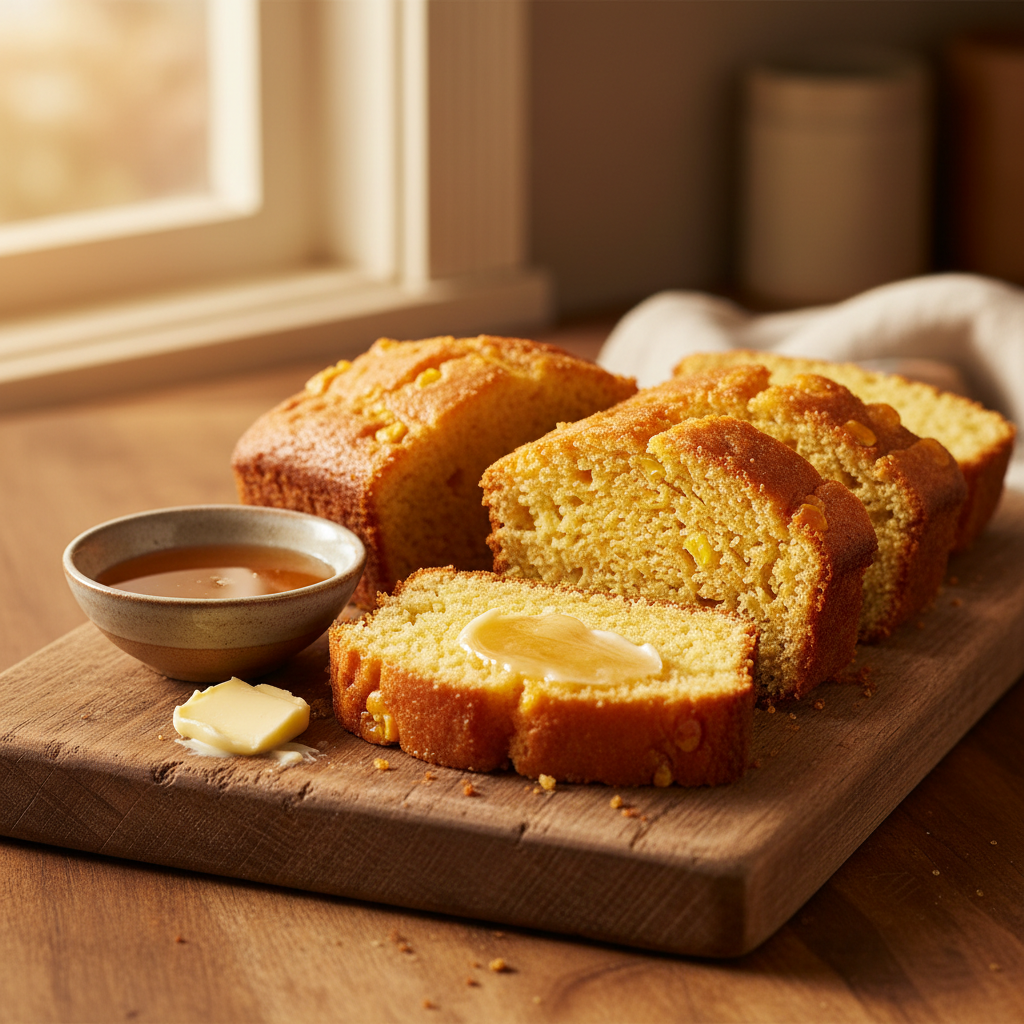
I’ll walk you through the why behind the moisture, the exact steps, common fixes when it still turns out dry, and a few variations so you can match it to chili night, BBQ, or breakfast.
What makes sweet cornbread moist (and what usually dries it out)
Most “why is my cornbread dry?” stories come down to overbaking or not enough moisture in the batter. Cornmeal doesn’t behave like flour, it absorbs liquid and can get gritty if the ratio is off or if it sits too long.
- Fat matters: Butter tastes great, but oil often keeps crumb softer for longer. Using a mix gives flavor plus moisture.
- Dairy choice: Buttermilk adds tenderness and a subtle tang that balances sweetness. Milk works, but tends to bake a bit drier.
- Eggs set the structure: Too few eggs can crumble, too many can go custardy and dense.
- Hot pan = better crust, not dryness: Preheating the pan helps set edges quickly, so you get a crisp rim while the center stays tender.
- Overmixing and overbaking: Overmixing develops gluten in the flour portion, and overbaking drives off moisture fast.
According to USDA Food Safety and Inspection Service (FSIS), baked goods should be cooled and stored properly to reduce risk of bacterial growth, especially if you add dairy-heavy toppings or mix-ins. That’s less about “moistness” and more about keeping leftovers safe and pleasant.
Ingredients you’ll need (plus smart substitutions)
This is the ingredient list for a classic moist, sweet-leaning cornbread. If you’re out of something, the substitutions below usually work without drama.
Core ingredients
- 1 cup yellow cornmeal (medium grind)
- 1 cup all-purpose flour
- 1/2 cup granulated sugar (adjustable)
- 1 tbsp baking powder
- 1/2 tsp baking soda
- 1 tsp kosher salt
- 2 large eggs
- 1 cup buttermilk
- 1/2 cup whole milk
- 1/3 cup neutral oil (canola/vegetable)
- 4 tbsp melted butter (plus a little for the pan)
Substitutions (realistic ones)
- No buttermilk: Use 1 cup milk + 1 tbsp lemon juice or white vinegar, rest 5–10 minutes. It’s not identical, but often close enough.
- Less sweet: Drop sugar to 1/3 cup, keep everything else the same.
- Richer crumb: Swap 1/2 cup milk for sour cream (thinned with a splash of milk) for a more cake-like bite.
- Gluten-free: A 1:1 gluten-free baking blend can work, but texture varies by brand, expect a slightly more delicate slice.
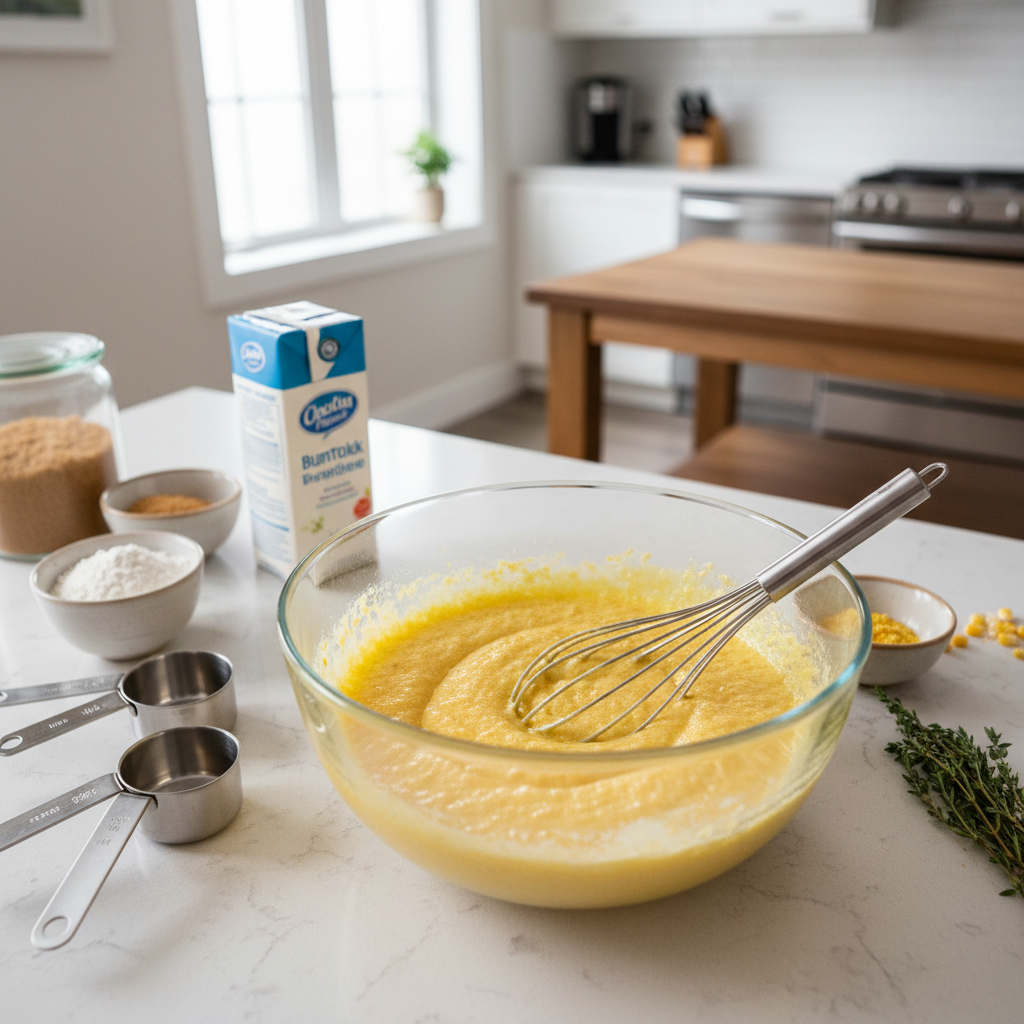
Sweetness & moisture adjustment table (quick guide)
If you want this cornbread recipe sweet to fit different meals, these small changes help without forcing you to find a new recipe every time.
| Goal | Change | What to expect |
|---|---|---|
| More dessert-like | Sugar to 2/3 cup + add 1 tbsp honey | Softer crumb, sweeter finish |
| Balanced for chili/BBQ | Keep sugar at 1/2 cup | Sweet edge, still “savory-friendly” |
| Less sweet | Sugar to 1/3 cup | More corn-forward, less cake-like |
| Extra moist next-day | Add 2 tbsp oil (reduce butter by 1 tbsp) | Softer slices after storage |
| More tender, fine crumb | Add 1/4 cup sour cream | Richer bite, slightly denser |
Step-by-step: sweet moist cornbread (no guessing)
This method is built for consistency. Read once, then bake—don’t overthink it mid-stream.
1) Prep the oven and pan
- Heat oven to 400°F.
- Put an 8x8 metal pan or 10-inch cast-iron skillet in the oven for 5–7 minutes.
- Carefully coat hot pan with a little butter (it should sizzle lightly).
2) Mix dry, then wet
- In a large bowl, whisk cornmeal, flour, sugar, baking powder, baking soda, and salt.
- In a second bowl, whisk eggs, buttermilk, milk, oil, and melted butter.
3) Combine gently
- Pour wet into dry and fold until you see no dry pockets.
- Stop early: a few small lumps are fine, they bake out.
- Let batter sit 3–5 minutes so the cornmeal hydrates (this helps tenderness).
4) Bake, then stop baking
- Pour into hot pan.
- Bake 18–24 minutes depending on pan and oven.
- Check at 18 minutes: edges should be golden, center set, toothpick with a few moist crumbs is ideal.
- Cool 10 minutes before slicing.
If you’re chasing moist texture, the most important move is pulling it before it looks “extra done.” Cornbread carries over and firms up as it cools.
Troubleshooting: if it still comes out dry or crumbly
Even a good formula can lose moisture if your oven runs hot, your cornmeal is very coarse, or you bake it until the center is bone-dry.
- Dry top, dry edges: Bake 2–4 minutes less next time, or use a glass dish (it heats slower) if your oven is aggressive.
- Crumbly slices: Add 2 tbsp milk or buttermilk, and don’t cut until it cools at least 10 minutes.
- Gritty texture: Let batter rest 10 minutes, or try a finer grind cornmeal.
- Too dense: Check baking powder freshness, and avoid heavy mixing.
- Too sweet: Reduce sugar by 2 tbsp at a time, don’t overhaul everything at once.
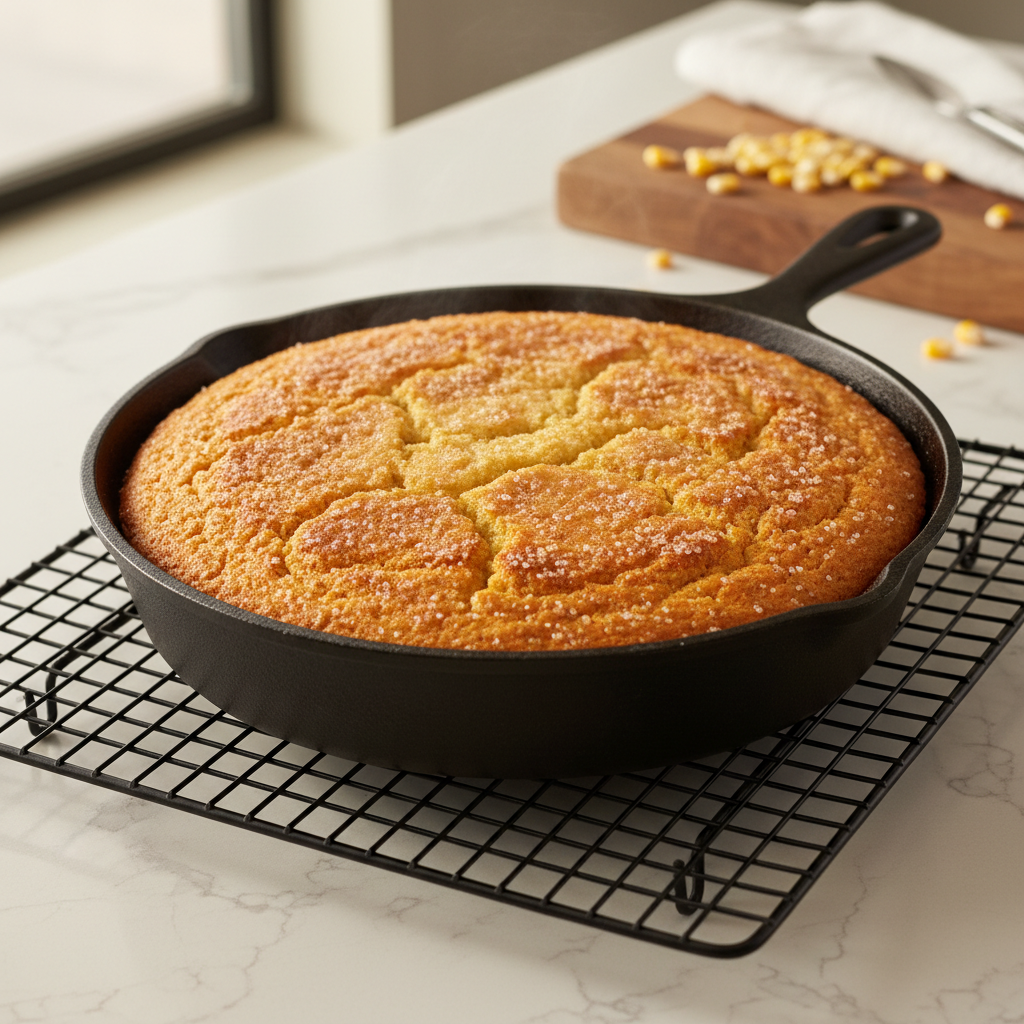
Practical serving ideas (and a few mix-ins that actually work)
A moist sweet slice can go savory or breakfast-y, depending on what you pair it with. I’d keep mix-ins simple; too many add-ins can mess with bake time and moisture.
Serving ideas
- Chili, black bean soup, or gumbo
- BBQ chicken or pulled pork
- Breakfast with butter + honey, or warm jam
- Holiday sides where you want something friendlier than a dinner roll
Mix-ins (choose one)
- Corn kernels: 3/4 cup (drained well if canned)
- Cheddar: 1 cup shredded, cut sugar slightly if you want less sweet
- Jalapeño: 1–2 peppers finely diced for sweet-heat balance
- Cinnamon-honey: 1/2 tsp cinnamon + 1 tbsp honey for a brunch vibe
Storage, reheating, and food safety notes
Moist cornbread keeps well, but it can dry out quickly if you leave it uncovered on the counter.
- Room temp: Wrap tightly and keep 1–2 days.
- Fridge: Up to 5 days, though the fridge can dry it; warm it before serving.
- Freezer: Slice, wrap, and freeze up to 2–3 months for best texture.
According to USDA FSIS, perishable foods should not sit at room temperature longer than 2 hours (or 1 hour in hot conditions). If your cornbread includes dairy-heavy add-ins or you’re serving it alongside perishable toppings, refrigerating sooner is the safer call.
Reheat slices wrapped in foil at 300°F for 8–12 minutes, or microwave briefly with a damp paper towel to bring back moisture.
Key takeaways (bookmark this part)
- Pull early, not late: moist crumbs on the toothpick beat a dry clean pick.
- Buttermilk + oil is a reliable combo for tender crumb and good next-day texture.
- Hot pan helps create crust without sacrificing the center.
- For a more dessert-leaning cornbread recipe sweet, adjust sugar gradually and add a little honey, don’t drown the batter.
Conclusion
If you’ve been burned by dry batches, this moist approach usually feels like a reset: hydrate the cornmeal, mix gently, bake just until set, then let it cool before slicing. Once you get your oven timing locked in, this cornbread recipe sweet becomes a dependable side you can scale up or dress up with mix-ins.
Next move: bake it once exactly as written, then tweak only one thing—sweetness or add-ins—so you know what actually changed the result.
FAQ
How do I make sweet cornbread more moist without making it oily?
Add a small dairy boost first, like 2–3 tbsp sour cream or an extra splash of buttermilk. If you increase oil, do it in tablespoons and watch bake time, because too much fat can make the crumb feel heavy.
Can I use only cornmeal and skip flour?
You can, but texture changes a lot. Many all-cornmeal versions turn crumbly and gritty, especially with coarser grinds. If you want a sliceable, cake-like result, keeping some flour helps.
Why did my cornbread crack on top?
Usually it’s just a hot oven and quick rise, not a failure. A crack can happen more when the pan is preheated. If it bothers you, lower oven temp to 375°F and bake a little longer, but watch for dryness.
What’s the best pan for moist cornbread?
Cast iron gives great crust and even heat once preheated, but it can overbrown in some ovens. A metal 8x8 pan is more predictable. Glass bakes gentler but may need a few extra minutes.
Can I make this cornbread recipe sweet with honey instead of sugar?
Yes, but swap thoughtfully. Honey adds liquid, so replace part of the sugar, not all of it, and reduce milk slightly. Many people start with 2–3 tbsp honey and adjust next batch.
How do I know when cornbread is done without drying it out?
Look for set edges and a center that springs back lightly. A toothpick should come out with a few moist crumbs. If it’s perfectly clean and the top looks very dark, you probably went a touch long.
Is it safe to leave cornbread out overnight?
Plain cornbread is lower risk than many foods, but it can still spoil depending on heat and humidity. If your kitchen runs warm, or you added perishable mix-ins, refrigerating is a safer choice. When in doubt, follow USDA guidance and don’t leave it out too long.
If you’re trying to dial in a cornbread recipe sweet for a specific dinner—chili night, BBQ, or a holiday spread—tell me what you’re serving it with and what pan you use, and I can suggest a couple small tweaks so you get the moist crumb you’re after without guessing.