
how to make mewa dry fruit kheer comes down to two things most people rush: patiently reducing the milk and treating the nuts like ingredients, not just a topping.
If you have ever ended up with a thin, overly sweet pudding or chewy rice that never turns silky, you are not alone, kheer is simple on paper but picky in practice, especially with mixed dry fruits (mewa).
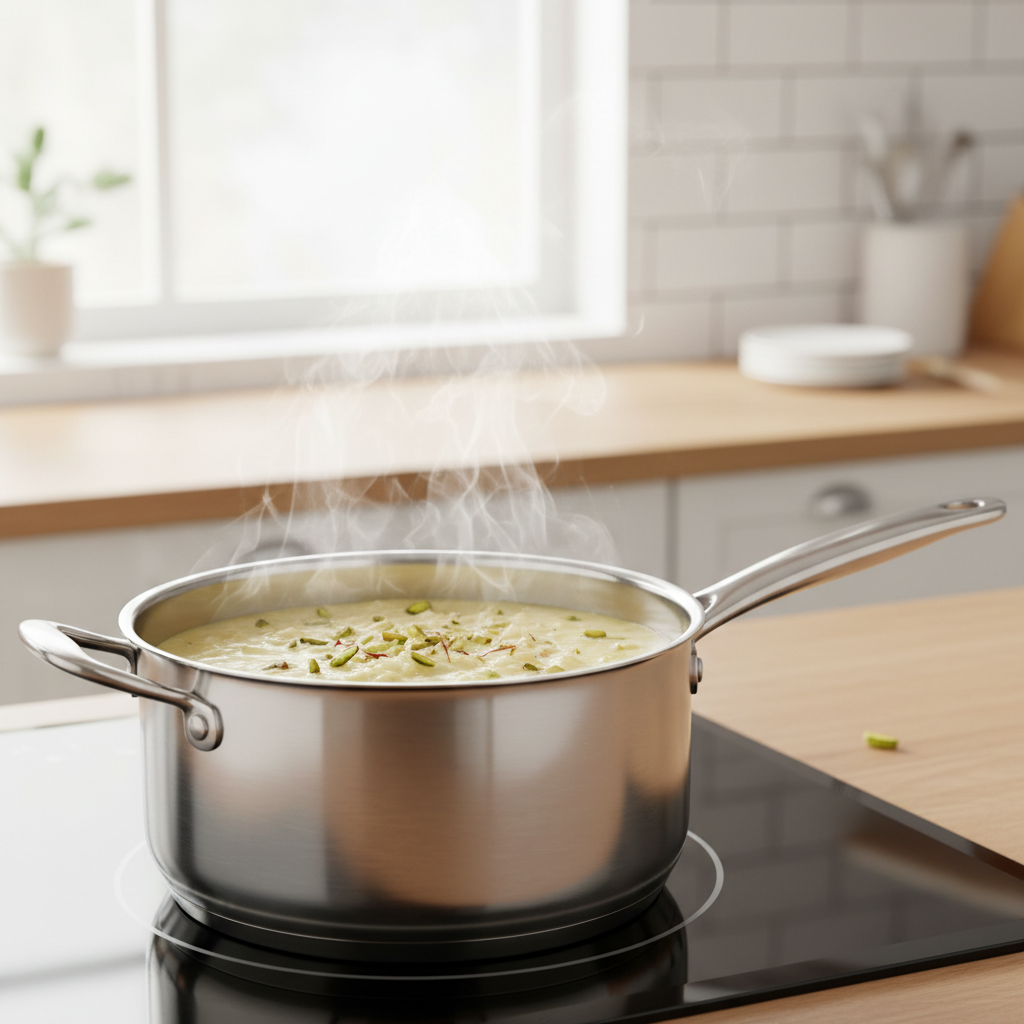
This guide focuses on the parts that change results in a real home kitchen: which rice works, how long to simmer, when to add sugar, and how to keep nuts aromatic instead of soggy. You will also get a quick troubleshooting section, plus a make-ahead plan for entertaining.
What mewa dry fruit kheer is (and what makes it taste “restaurant-style”)
Mewa dry fruit kheer is an Indian-style rice pudding made by slow-simmering milk with rice, sugar, and a mix of nuts and dried fruits. In many households it is finished with saffron, cardamom, and sometimes rose water.
The “restaurant-style” version usually tastes richer for a few practical reasons: the milk gets reduced longer, the nuts are lightly toasted in ghee, and the sweetness stays balanced so the spices still show up.
- Texture target: creamy and thick, rice grains tender but not mushy.
- Flavor target: milky, gently sweet, warm spice, nutty finish.
- Look: pale ivory to light golden with green pistachio and saffron threads.
Ingredients and smart substitutions (U.S. grocery friendly)
You do not need specialty ingredients to learn how to make mewa dry fruit kheer, but a few choices make the process smoother.
- Milk: whole milk gives the easiest creamy body. For extra richness, add a little half-and-half near the end.
- Rice: basmati is classic; jasmine also works. Avoid parboiled rice, it often stays firm and can feel “separate.”
- Sweetener: white sugar is standard. Condensed milk can work, but reduce sugar elsewhere to avoid a flat sweetness.
- Mewa mix: almonds, cashews, pistachios, golden raisins, dates, dried figs are common. Keep dried fruit modest so the pudding stays milky, not jammy.
- Spices: green cardamom (ground or pods), saffron (optional), a tiny pinch of salt.
- Fat: ghee is traditional, unsalted butter works in a pinch.
Allergy note: If you cook for guests, confirm nut allergies in advance, and consider making a plain cardamom kheer with toasted pumpkin seeds as an alternative topping.
Prep that actually matters (so you do not get grainy kheer)
Most “meh” kheer is not from the recipe, it is from skipping prep or trying to boil everything hard and fast.
Quick prep checklist
- Rinse rice until water runs mostly clear, then soak 15–20 minutes.
- Slice nuts evenly so they toast at the same speed.
- Warm a few tablespoons of milk and bloom saffron (if using) for 10 minutes.
- Measure sugar and spices, you do not want to hunt mid-simmer.
According to USDA Food Safety and Inspection Service, dairy should not sit at room temperature for extended periods, so keep milk refrigerated until you start cooking and refrigerate leftovers promptly.
How to make mewa dry fruit kheer: step-by-step method
This method assumes a standard U.S. home stove, a heavy-bottom pot, and about 45–60 minutes total. If you only have a thin pot, use lower heat and stir more often to prevent scorching.
Base recipe (serves 6)
- 1/3 cup basmati rice (or jasmine)
- 6 cups whole milk
- 1/3 to 1/2 cup sugar (to taste)
- 1/4 tsp ground cardamom (or 6–8 pods, lightly crushed)
- Pinch of salt
- 2 tbsp ghee (or unsalted butter)
- 1/2 cup mixed nuts (almonds, cashews, pistachios)
- 2–4 tbsp raisins or chopped dates (optional)
- Saffron bloomed in warm milk (optional)
Cooking steps
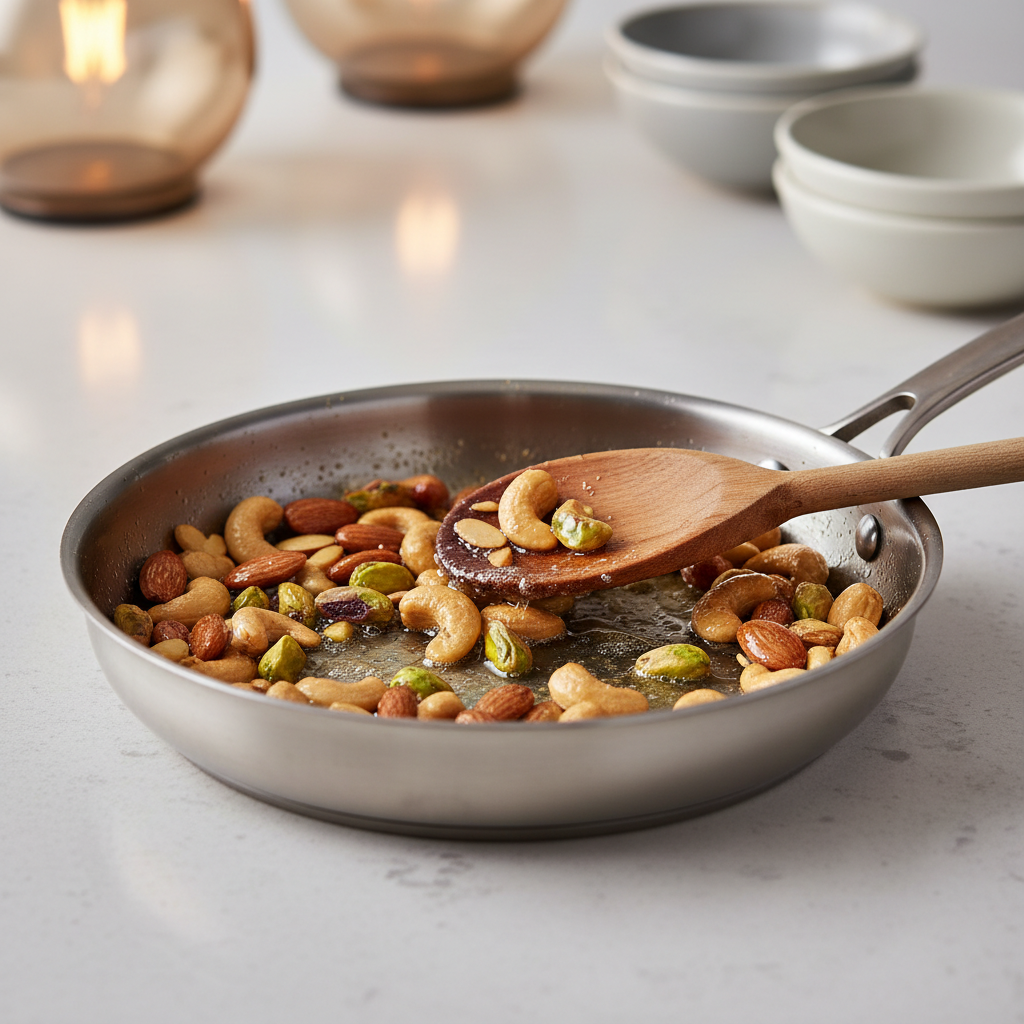
- Toast the mewa: Heat ghee in a small pan over medium-low, toast nuts until fragrant and lightly golden, 2–4 minutes. Add raisins/dates for 30 seconds, then set aside. This keeps aroma strong and prevents “raw nut” taste.
- Start milk gently: In a heavy pot, bring milk to a bare simmer over medium heat, stir the bottom with a silicone spatula to prevent sticking.
- Add drained rice: Add soaked, drained rice. Keep heat at a gentle simmer, not a rolling boil, and stir every 2–3 minutes.
- Slow-reduce: Simmer 30–40 minutes, until rice turns tender and milk looks slightly thick. If foam builds, lower heat rather than cranking it up and “pushing through.”
- Add sugar at the right time: Stir in sugar after rice is mostly tender. Sugar added too early can slow softening and can leave rice slightly firm.
- Finish flavor: Add cardamom, salt, saffron milk (if using). Simmer 5–8 minutes more.
- Fold in toasted mewa: Add most nuts and dried fruit, reserve a little for garnish. Turn heat off and let it sit 10 minutes, it thickens as it cools.
Consistency tip: If you like chilled kheer, stop cooking when it is a little looser than you want, refrigeration thickens it noticeably.
Timing and texture: your quick decision table
If you are unsure whether to keep simmering or stop, use this practical table. Kheer is forgiving, but your finish line changes depending on how you serve it.
| Serving style | When to turn off heat | What it should look like | Common mistake |
|---|---|---|---|
| Warm, in bowls | When it coats a spoon lightly | Pourable, creamy, rice suspended | Over-reducing until it eats like paste |
| Chilled, dessert cups | When slightly looser than ideal | Loose pudding that thickens after cooling | Cooking to “final thickness” then refrigerating, becomes too thick |
| Party buffet | Medium thickness, then hold warm | Silky, not skin-heavy | High heat holding, scorches bottom |
Common problems and fixes (no drama)
When people search how to make mewa dry fruit kheer, they usually want to avoid one of these issues. Most are easy to correct without starting over.
- Kheer is too thin: Simmer 8–12 minutes longer on low, stir often. Avoid adding cornstarch unless you truly need a shortcut, it can dull the milky taste.
- Kheer is too thick: Stir in warm milk a little at a time until it loosens. Add cardamom again if flavor feels diluted.
- Rice feels undercooked: Add a splash of hot milk or water, cover for 8–10 minutes on low. If sugar went in early, it may need extra time.
- Bottom scorched: Do not scrape the bottom. Carefully pour into a new pot, leaving burnt bits behind, then continue on very low.
- Nuts turned soft: Next time reserve more toasted mewa for garnish, and add it right before serving for crunch.
Variations Americans often ask for (and how to adjust safely)
You can keep the soul of the dish while fitting different diets or pantry realities, just expect texture changes.
Condensed milk version
- Replace 1 cup milk with 3/4 cup condensed milk, then cut sugar back sharply.
- Add condensed milk near the end, simmer gently, it can stick if boiled hard.
Vegan or dairy-free version
- Use oat milk for body, or a blend of oat milk and canned coconut milk for richness.
- Expect a different flavor profile, cardamom and saffron help “round” plant milks.
- According to FDA, people with specific dietary needs or allergies should read labels carefully, especially for cross-contact warnings.
High-protein-ish approach (without pretending it is health food)
- Stir in a few spoonfuls of plain Greek yogurt after cooling slightly, it can curdle if added to boiling kheer.
- If you have medical dietary requirements, it is worth checking with a registered dietitian, especially for diabetes or kidney conditions where sugar or nuts may matter.
Make-ahead, storage, and serving tips
Kheer is one of those desserts that can be better the next day, but only if you plan for thickening.
- Make-ahead: Cook to a slightly looser consistency, cool, refrigerate in a covered container.
- Fridge: Many home cooks keep it 2–3 days, but use your judgment on smell and texture, and follow safe chilling practices.
- Reheat: Warm on low with a splash of milk, stir gently, then add a little fresh cardamom if needed.
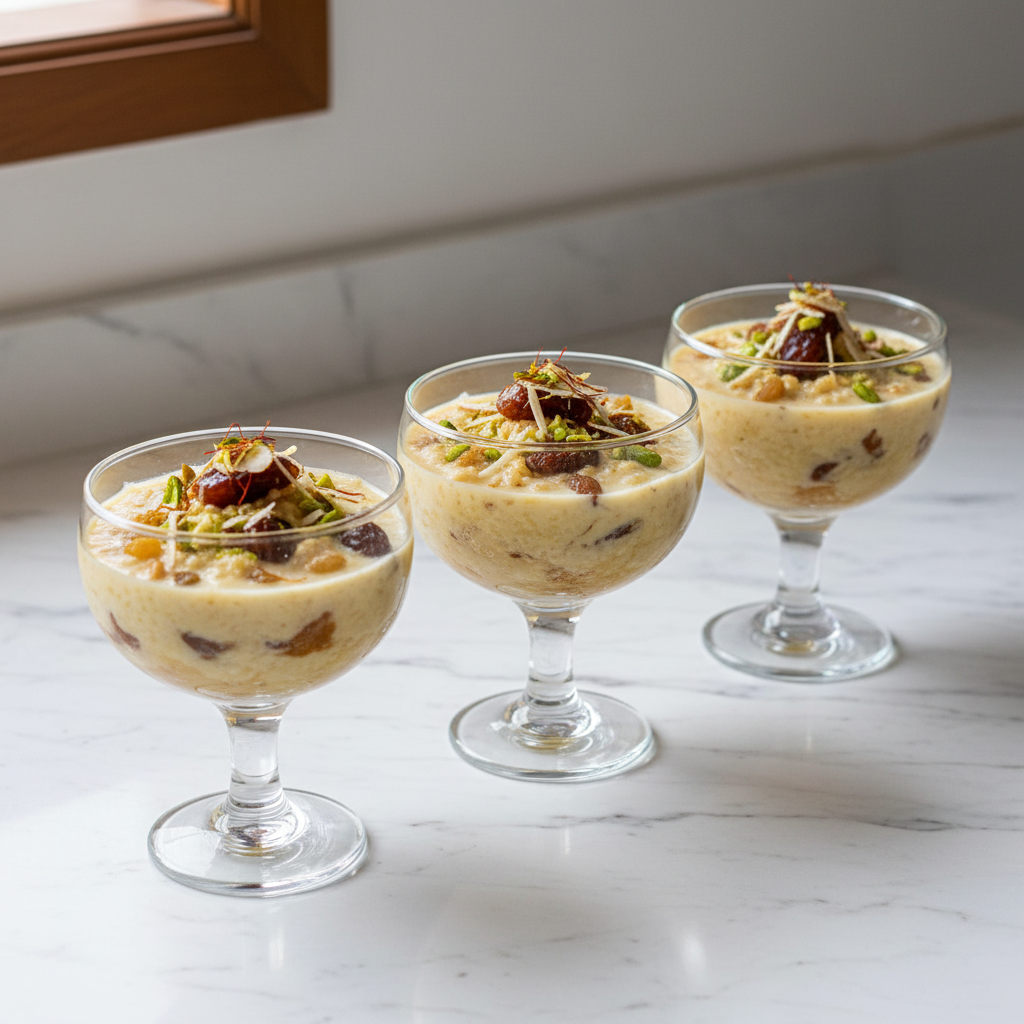
- Serve: Garnish with reserved toasted mewa, saffron, and a few rose petals if you like the look.
Key takeaways before you cook
- Gentle simmer beats hard boil, especially for avoiding scorched milk and grainy texture.
- Add sugar after rice softens, your texture will improve more than you expect.
- Toast the nuts and hold some back for topping, it keeps flavor bright.
- Plan for thickening if you chill it, stop cooking a bit earlier.
Conclusion: a reliable way to get creamy kheer every time
Once you treat how to make mewa dry fruit kheer as a slow reduction project instead of a quick boil, the whole dish becomes predictable, and honestly relaxing to cook. Start with whole milk, simmer patiently, add sugar late, and let toasted mewa do its job.
If you want a simple next step, make one batch with just cardamom and almonds first, then add saffron and a bigger dry-fruit mix on the second try, you will taste exactly what each ingredient changes.