Breakfast smoothies are one of the simplest ways to get something filling in your system when mornings feel chaotic and cooking sounds impossible.
If you have ever blended “whatever is in the fridge” and ended up with something watery, too sweet, or strangely gritty, you are not alone, the good news is you can fix most of that with a few repeatable formulas.
This guide gives you quick recipes, a smart prep system, and practical tweaks for common goals like “keep me full” or “go easy on my stomach,” without pretending one smoothie fits everyone.
What actually makes a smoothie “breakfast-worthy”
A breakfast smoothie works when it does two jobs, tastes good fast, and holds you over. Most misses happen because the cup ends up mostly fruit and juice, which can feel like a sugar rush followed by a crash.
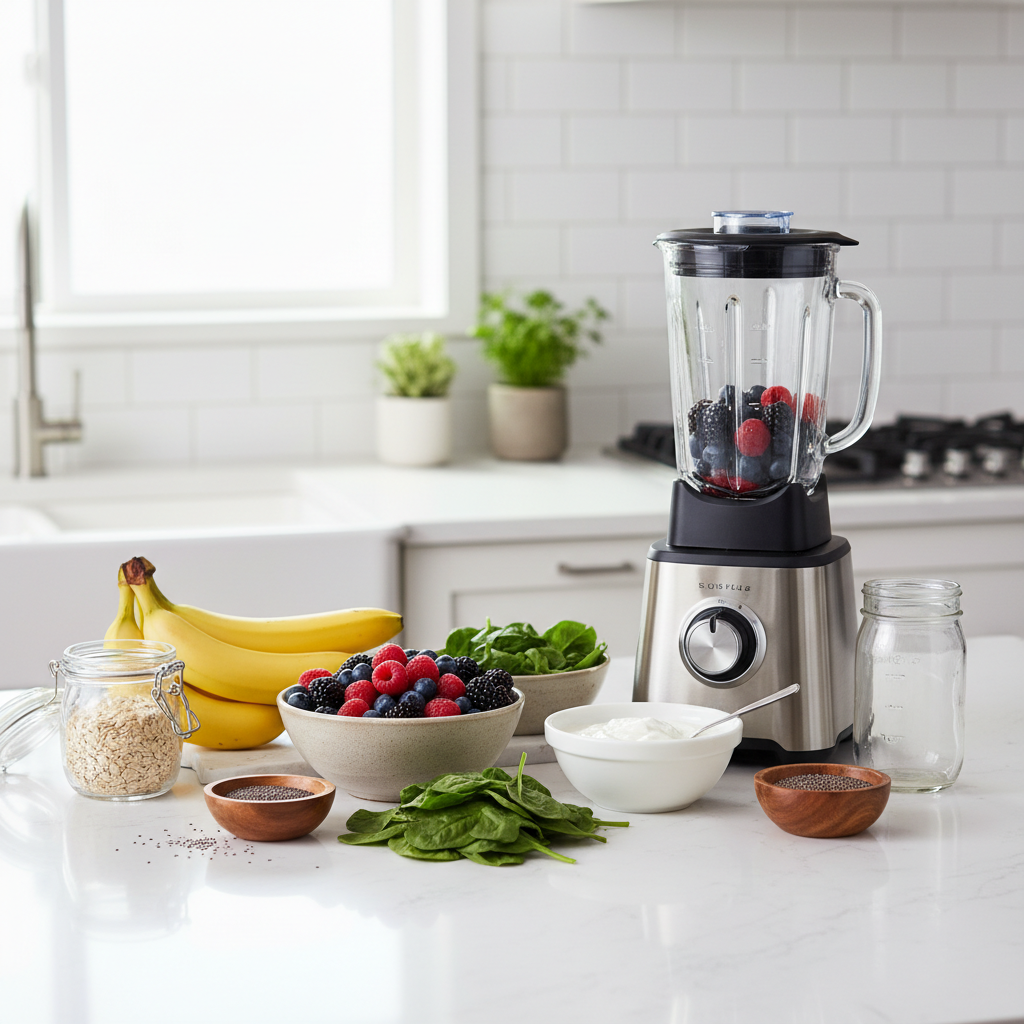
According to USDA Dietary Guidelines, building meals with a balance of food groups supports overall diet quality, for smoothies that usually means pairing fruit and veggies with protein plus a fiber or healthy-fat add-in.
- Protein (Greek yogurt, milk, soy milk, protein powder) helps with fullness.
- Fiber (oats, chia, flax, berries, greens) makes the texture better and digestion steadier.
- Smart liquids (milk, soy milk, kefir, water) control thickness more than people think.
- Flavor control (cinnamon, cocoa, vanilla, peanut butter) keeps you from overusing sweeteners.
One more real-world note, if you are often hungry an hour later, it is usually not the blender’s fault, it is that the smoothie lacks protein or fiber, or both.
Quick self-check: which type of morning smoothie do you need?
Before recipes, pick your “morning reality,” it saves time and reduces waste.
- I need maximum speed: you want 5 ingredients, frozen fruit, minimal measuring.
- I need stay-full energy: you want higher protein plus oats or chia.
- I get an upset stomach: you want lower acid fruit, gentler fiber, and not too much fat.
- I’m watching added sugar: you want unsweetened liquids and fruit-forward sweetness only.
- I’m dairy-free: you want soy or pea protein options that still feel creamy.
Key takeaway: choose your base formula first, then rotate flavors, that is how people keep the habit.
Core formulas (use these to invent endless breakfast smoothies)
If you remember one thing, remember this, a good smoothie is more like a template than a strict recipe.
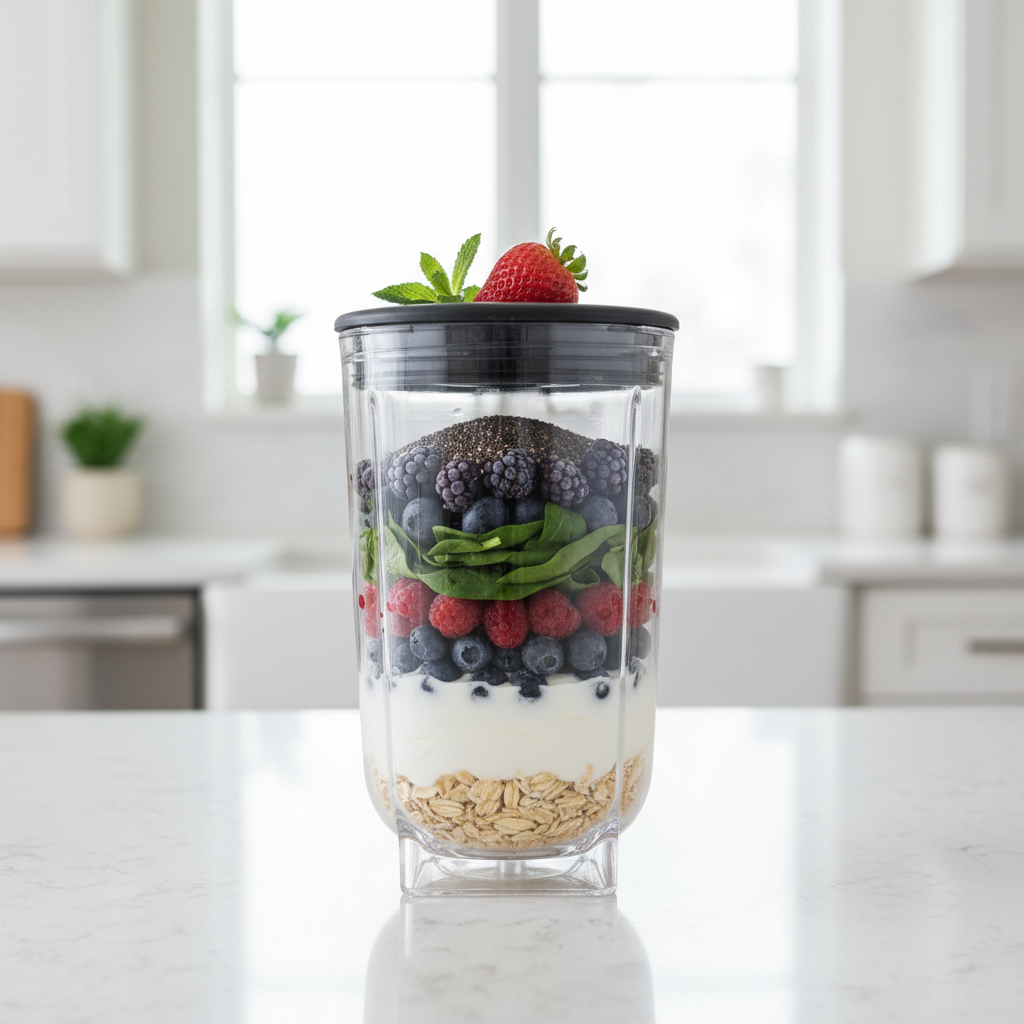
Formula A: Creamy + high protein
- 1 cup milk or soy milk
- 3/4 cup Greek yogurt (or a thick dairy-free yogurt)
- 1 cup frozen fruit
- 1 tablespoon chia or ground flax
- Optional: cinnamon, vanilla, cocoa
Formula B: Oat-powered “drinkable breakfast”
- 1 cup milk or kefir
- 1/3 cup rolled oats
- 1 banana (fresh or frozen)
- 1–2 tablespoons nut butter
- Ice as needed for thickness
Formula C: Lighter, fruit-and-greens
- 1 cup water or coconut water (unsweetened)
- 1–2 cups spinach
- 1 cup frozen mango or pineapple
- 1 scoop protein (optional, but recommended for breakfast)
- Lime squeeze if you like it brighter
8 quick breakfast smoothie recipes (fast, flexible, not fussy)
All recipes assume a standard blender and take about 5 minutes once you get the rhythm. If your blender struggles with ice, use more frozen fruit and less ice.
1) Peanut Butter Banana Oat
- 1 cup milk or soy milk
- 1 banana (preferably frozen)
- 1/3 cup rolled oats
- 1–2 tablespoons peanut butter
- Pinch of cinnamon
2) Berry Greek Yogurt “Classic”
- 1 cup milk
- 3/4 cup plain Greek yogurt
- 1 1/2 cups frozen mixed berries
- 1 tablespoon ground flax
3) Mango Spinach Protein
- 1 cup water or milk
- 1–2 cups spinach
- 1 1/2 cups frozen mango
- 1 scoop protein powder (optional but helpful)
4) Chocolate Cherry Recovery
- 1 cup milk
- 1 cup frozen cherries
- 1 tablespoon cocoa powder
- 3/4 cup Greek yogurt or skyr
5) Apple Pie Breakfast Cup
- 1 cup milk
- 1 apple (cored, chopped)
- 1/3 cup oats
- 1 tablespoon almond butter
- Cinnamon + tiny pinch of salt
6) Tropical Kefir Smoothie
- 1 cup kefir (plain works best)
- 1 cup frozen pineapple
- 1/2 banana
- 1 tablespoon chia
7) Coffee Protein Shake (breakfast-style)
- 3/4 cup cold coffee
- 3/4 cup milk
- 1 frozen banana
- 1 scoop protein powder
8) Dairy-Free Blueberry Tahini
- 1 cup unsweetened soy milk
- 1 1/2 cups frozen blueberries
- 1 tablespoon tahini
- 1 tablespoon ground flax
If you are new to breakfast smoothies, start with Recipe 1 or 2 for a week, consistency matters more than novelty.
Make it faster: prep system, freezer packs, and a simple table
The easiest way to keep smoothie mornings from collapsing is to decide what you prep, and what you always buy. Most people do best with freezer packs plus one “always in stock” protein.
| Goal | Best add-ins | What to limit |
|---|---|---|
| Stay full longer | Greek yogurt, soy milk, oats, chia | Juice, honey, sweetened yogurt |
| Lower sugar feel | Frozen berries, cocoa, cinnamon, nut butter | Sweetened milks, lots of dates |
| Gentler digestion | Banana, oats, kefir, cooked/cooled oats | Too much raw kale, very high fat |
| Dairy-free | Unsweetened soy milk, pea protein, tahini | Low-protein nut milks alone |
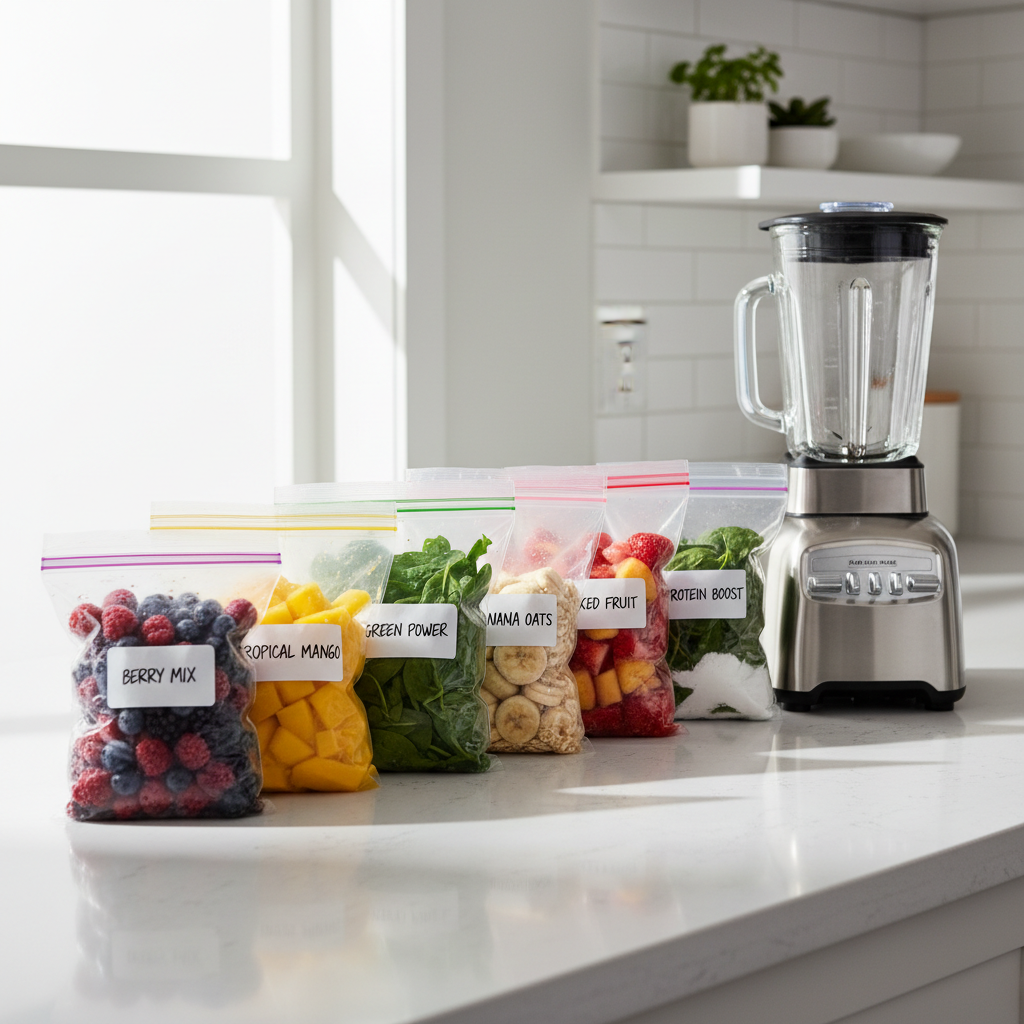
Freezer pack method: add fruit, greens, and dry add-ins (like chia) into bags, freeze, then in the morning dump into the blender and add your liquid plus yogurt or protein.
Common mistakes (and the small fixes that actually work)
A lot of “I hate smoothies” comes down to texture. Luckily, texture is predictable once you know the levers.
- Watery smoothie: use less liquid, add frozen fruit, or add yogurt/oats.
- Too thick: splash in liquid in 2–3 second pours, blend, repeat.
- Gritty greens: blend liquid + greens first, then add the rest.
- Tastes flat: pinch of salt or a squeeze of lemon often wakes it up.
- Too sweet: switch to unsweetened milk, use berries, add cinnamon or cocoa.
Also, be careful with “healthy” extras, it is easy to turn breakfast smoothies into a 900-calorie surprise if you stack nut butter, coconut oil, and sweetened add-ins.
Safety notes and when to ask a professional
For most healthy adults, smoothies can be a convenient breakfast, but specific health situations change the advice.
- If you manage diabetes or blood sugar concerns, fruit-heavy blends may spike some people, a clinician or registered dietitian can help tailor carbs and protein.
- If you have kidney disease or take medications affected by potassium, large amounts of bananas and certain greens may matter, ask your healthcare team.
- If you use protein powder, check the label for allergens and stimulants, and if you are pregnant or nursing, it is reasonable to confirm with a professional.
According to CDC guidance on food safety, keeping perishable foods at safe temperatures helps reduce risk, so if you take a smoothie to-go, use an insulated bottle and refrigeration when possible.
Practical “do this next” plan for the coming week
If you want this to stick, make it boring on purpose for a few days, then expand.
- Pick two recipes you already have ingredients for.
- Buy one protein anchor: Greek yogurt, soy milk, or a protein powder you tolerate.
- Prep 4 freezer packs, keep liquids separate.
- Adjust only one variable at a time, thickness first, sweetness second.
Bottom line: breakfast smoothies work best when they are balanced and repeatable, once you nail your base, you can rotate flavors without overthinking your mornings.
FAQ
What are the best breakfast smoothies to keep you full?
Usually the ones with a clear protein source plus fiber, think Greek yogurt or soy milk with oats or chia. If you are hungry quickly, add 15–25 grams of protein through food or powder, and don’t rely on fruit alone.
Can I make breakfast smoothies the night before?
You can, but texture changes, they often thicken and can separate. Many people prefer prepping freezer packs, then blending in the morning, or blending at night and shaking well before drinking.
Are breakfast smoothies good for weight loss?
They can be, mainly because they simplify decisions. Still, portions matter, calorie-dense add-ins like nut butters can quietly push totals up, if weight change is a goal, measuring those add-ins for a week can be eye-opening.
How do I make a smoothie without yogurt but still creamy?
Use frozen banana, oats, or a spoon of nut butter, and choose a higher-protein milk like soy for body. Dairy-free yogurts vary a lot, so pick one that is thick and unsweetened when possible.
What liquid is best for breakfast smoothies?
Milk and soy milk tend to give the most “breakfast” feel because they add protein and creaminess. Water works if you add enough structure from fruit, oats, or protein, juice is fine occasionally but often makes the cup sweeter than expected.
Why do my smoothies taste bitter when I add greens?
Kale and some greens can read bitter, especially with certain protein powders. Try spinach first, balance with banana or mango, and blend greens with liquid before adding everything else.
Is it okay to use protein powder every day?
For many people it is fine, but products vary, some include added sweeteners or extra ingredients you may not want daily. If you have medical conditions or are unsure, a registered dietitian can help you pick an option and amount that fits your diet.
If you are trying to streamline weekday mornings, start by choosing one “default” smoothie and prepping freezer packs for four days, it is the quickest way to make breakfast smoothies feel automatic instead of aspirational.