
How to cook green beans tender crisp comes down to two things most people underestimate: starting with the right prep, and stopping the heat at the right moment.
If your green beans keep turning limp, dull, or watery, it’s usually not your recipe, it’s the method. Green beans cook fast, and that’s both the good news and the trap.
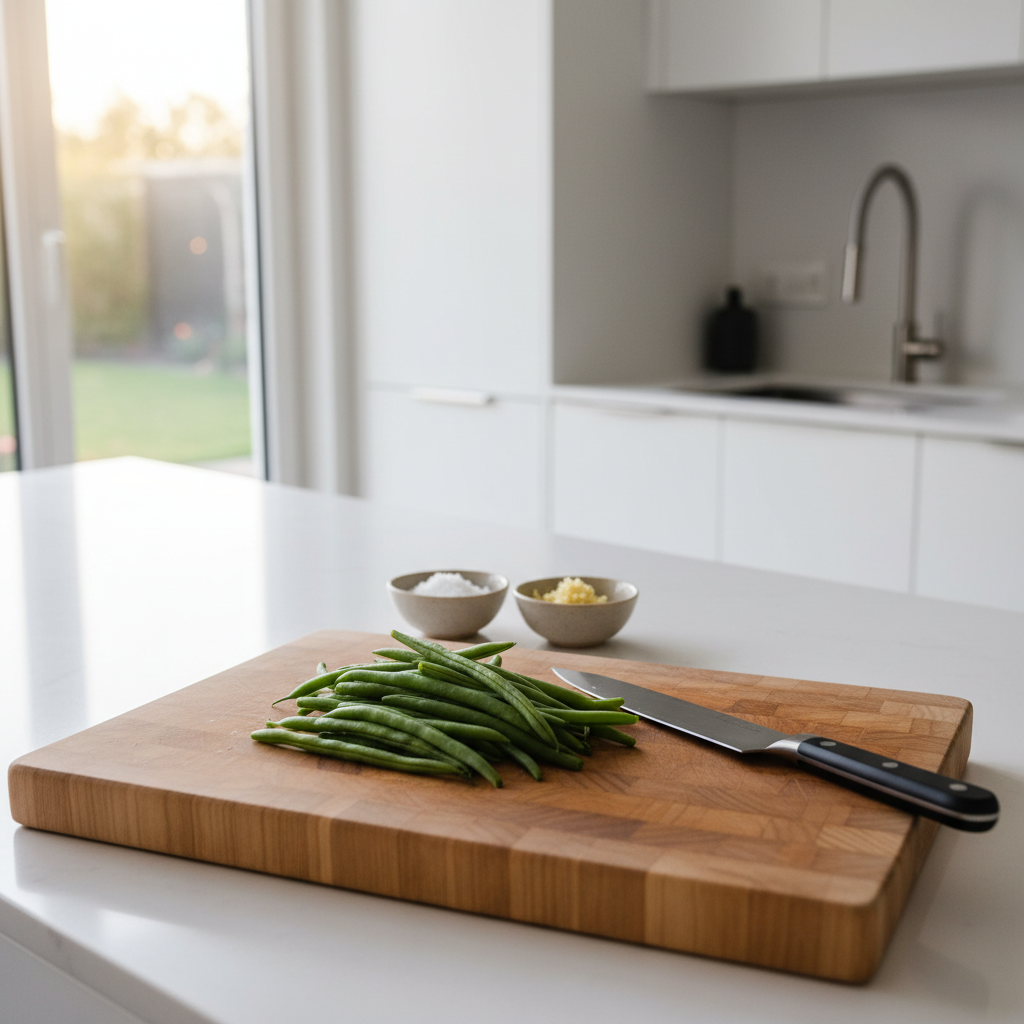
This guide breaks down the most reliable ways to get that bright green color and snappy bite, plus a timing table, quick self-checks, and fixes when things go sideways. You’ll also see where different methods shine, because boiling isn’t “bad,” it’s just easy to overdo.
What “tender-crisp” actually means (and why beans go mushy)
“Tender-crisp” means the beans bend slightly but don’t collapse, the surface looks glossy and green, and the bite still has a little resistance. You’re aiming for cooked through, not softened through.
Green beans go mushy in a few common ways:
- Overcooking by 1–3 minutes, which is enough to break down texture.
- Low heat for too long, especially in a covered pan where they steam and soften.
- Starting with wet beans when sautéing, which leads to steaming instead of searing.
- Not salting the cooking water or under-seasoning, which makes you cook longer chasing “flavor.”
According to USDA Food Safety and Inspection Service, vegetables should be cooked using methods that help you control time and temperature, and you should cool and refrigerate leftovers promptly to reduce food-safety risk.
Quick self-check: which situation are you in?
Before you change anything, identify the real culprit. Most “bad green beans” issues repeat.
- Beans are olive-drab and soft: overcooked, or held warm too long.
- Beans are wrinkly and dry: cooked too long in a skillet without enough moisture or fat.
- Beans taste flat: not enough salt, acid, or aromatics; cooking longer won’t fix it.
- Beans are tough and squeaky: undercooked, or very mature beans that need slightly longer time.
- Water in the serving bowl: not drained well, or dressed while still dripping.
If you’re cooking for a holiday table, your “problem” may be timing. Beans can be perfect, then turn soft after 20 minutes on low heat.
Timing cheat sheet (use this table as your baseline)
Times vary by thickness and freshness, but these ranges are dependable if you taste at the early end.
| Method | Best for | Tender-crisp time | Key tip |
|---|---|---|---|
| Blanch + ice bath | Bright color, make-ahead | 2–4 min boil | Salt water, then shock fast |
| Boil (no shock) | Weeknight simple | 3–6 min | Drain well, serve immediately |
| Steam | Clean flavor, less mess | 4–7 min | Keep lid on, test early |
| Sauté | Browning, garlic, crunch | 6–10 min | Dry beans well, hot pan |
| Roast | Caramelized edges | 12–18 min at 425°F | Single layer, don’t crowd |
For how to cook green beans tender crisp, the fastest path is usually blanching or steaming, and the most flavorful path is sautéing or roasting.
Method 1: Blanch and shock (the most consistent “snap”)
This is the restaurant trick because it’s forgiving later. You cook briefly, then stop cooking instantly with cold water.
Step-by-step
- Trim ends, optionally cut to even lengths for even cooking.
- Bring a pot of water to a hard boil and salt it until it tastes pleasantly salty.
- Add beans and boil 2 minutes, then taste. Keep going 30–60 seconds at a time until they’re just tender-crisp.
- Drain fast and transfer to an ice bath (bowl of ice water) for 2 minutes.
- Drain again and dry well before dressing or sautéing.
Make-ahead note: Blanched beans keep well in the fridge for a day or two. Reheat quickly in a hot skillet with butter or olive oil, 1–3 minutes, just to warm through.
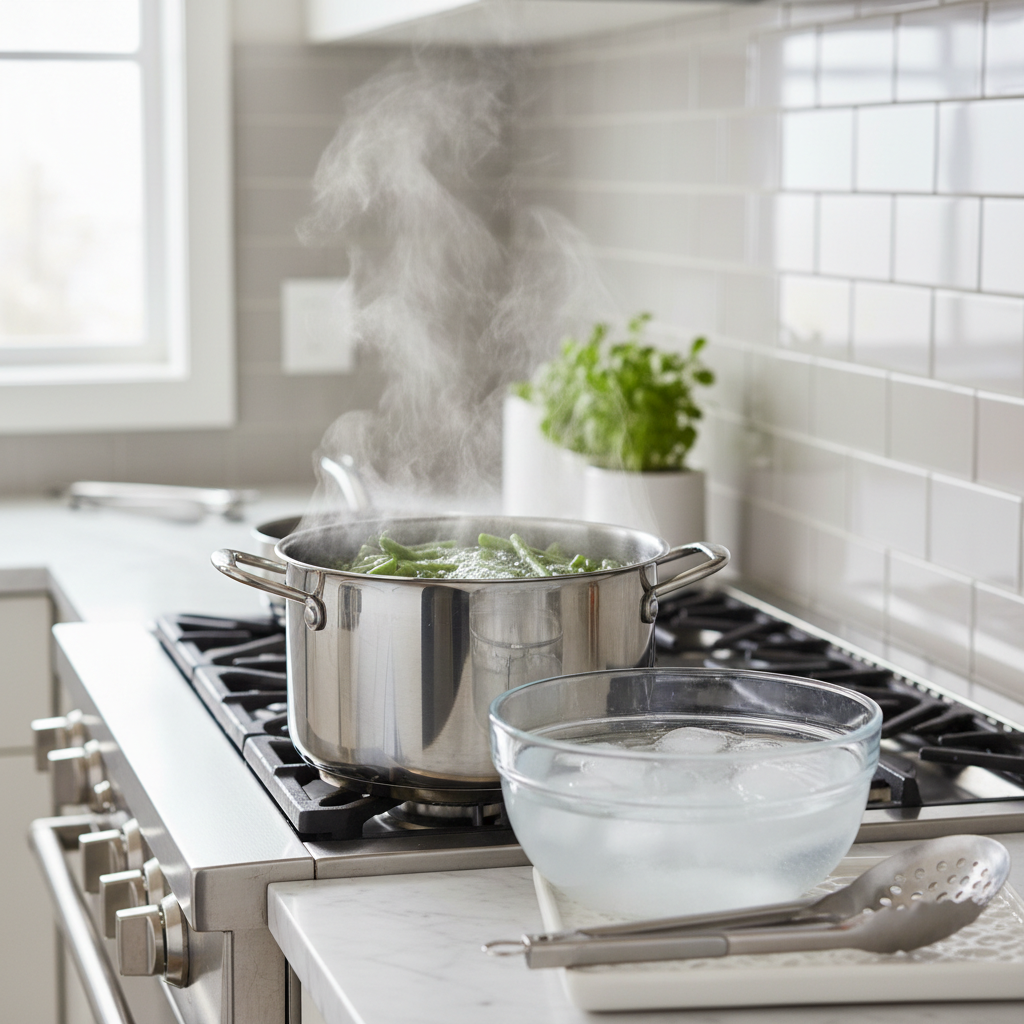
Where people mess this up is the “shock.” If the beans sit hot in a colander, they keep cooking and you lose that crisp bite.
Method 2: Steaming (simple, clean, easy to control)
Steaming is great if you want fewer dishes and less guesswork with waterlogging. It’s also a solid option when you’re cooking a small batch.
Step-by-step
- Add 1 inch of water to a pot, insert a steamer basket, bring to a simmer.
- Add beans, cover, and steam 4 minutes, then test.
- Keep steaming in 1-minute increments until you hit tender-crisp.
- Toss immediately with fat and seasoning: butter, olive oil, lemon, salt.
If you’re chasing how to cook green beans tender crisp with minimal fuss, this is the method I’d point most home cooks to.
Method 3: Sauté (best flavor with garlic, butter, and crunch)
Sautéing gives you flavor fast, but it punishes moisture. If the beans are wet, they steam and soften before they ever brown.
Step-by-step
- Wash beans, then dry thoroughly with a towel.
- Heat a wide skillet over medium-high, add oil or butter.
- Add beans in a single layer as much as possible, sprinkle salt.
- Cook 5–8 minutes, tossing occasionally, until bright and blistered in spots.
- Add minced garlic in the last 30–60 seconds so it doesn’t burn.
- Finish with lemon juice or a splash of vinegar, then taste and adjust salt.
Small but important: If the pan looks dry and the beans aren’t tender yet, add 1–2 tablespoons water, cover for 1 minute, then uncover and finish. You get tenderness without drifting into mush.
Method 4: Roasting (hands-off, great for a sheet-pan meal)
Roasting makes green beans a little more “toasty,” less purely snappy, but you can still keep them tender-crisp if you don’t overbake.
- Heat oven to 425°F.
- Toss beans with oil, salt, pepper. Add sliced shallot if you want.
- Spread in a single layer, avoid crowding.
- Roast 12 minutes, then check. Add 2–4 minutes if needed.
- Finish with grated Parmesan or toasted almonds.
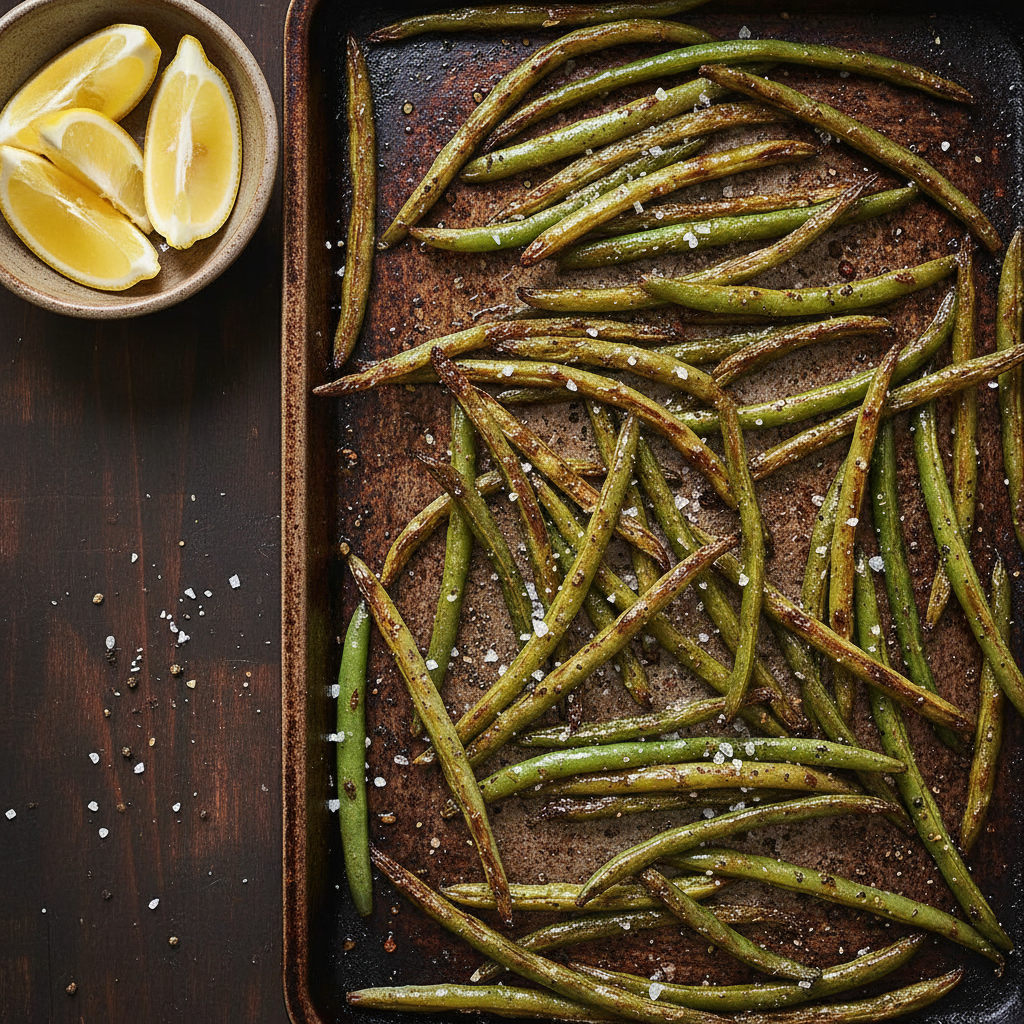
Roasting is also where you can scale up. Just remember: two crowded pans beat one overloaded pan every time.
Practical fixes, seasoning ideas, and common mistakes
You can do everything “right” and still feel underwhelmed if seasoning comes late or feels one-note. Texture and flavor are separate levers.
Fast seasoning combos (pick one)
- Lemon + butter + flaky salt (clean and classic)
- Garlic + olive oil + red pepper flakes (weeknight staple)
- Soy sauce + sesame oil + toasted sesame (go easy, it’s strong)
- Parmesan + black pepper + a squeeze of lemon (bright and savory)
- Almonds + browned butter (nutty, holiday-friendly)
Common mistakes that quietly ruin the result
- Cooking “until soft” then hoping they firm up later, they won’t.
- Leaving beans in hot water after boiling, drain immediately.
- Skipping the dry step before sautéing, water equals steam.
- Holding warm too long on the stove, residual heat keeps breaking texture down.
Key takeaways to remember
- Start checking early, green beans cross the line fast.
- Stop the cooking with an ice bath if you’re not serving right away.
- Season like you mean it, salt plus acid usually matters more than extra cook time.
- Choose the method for the moment, blanch for make-ahead, sauté for flavor, steam for simplicity.
When to be extra cautious (food safety and special cases)
If you’re serving someone with a medical diet, sodium limits, or kidney-related restrictions, seasoning choices may need adjustment and it’s smart to consult a qualified professional.
For leftovers, cool beans quickly, store in the refrigerator, and reheat until hot. According to FDA, perishable foods should not sit at room temperature for extended periods, and prompt refrigeration lowers risk of foodborne illness.
Conclusion: a simple plan for tender-crisp green beans every time
If you want the most repeatable answer to how to cook green beans tender crisp, blanch and shock when timing matters, or steam when you want an easy weeknight win. Then finish with a little fat, a little acid, and enough salt to make the flavor feel “awake.”
Your next move: pick one method above and commit to tasting earlier than you think you should. That single habit prevents almost every mushy batch.