
How to make mawa kachori recipe sweet is mostly about getting three things right: a flaky dough, a rich mawa-and-nut filling that stays crumbly, and a sugar syrup that soaks in without turning everything soft. If you’ve tried once and ended up with leaking kachoris, oily shells, or a filling that tastes flat, you’re not alone.
This is a traditional Indian dessert snack from Rajasthan, but the method is totally doable in a U.S. home kitchen if you treat it like a timing game: chill the dough, cook the filling until it’s dry, fry at the right temperature, then soak quickly in warm syrup.
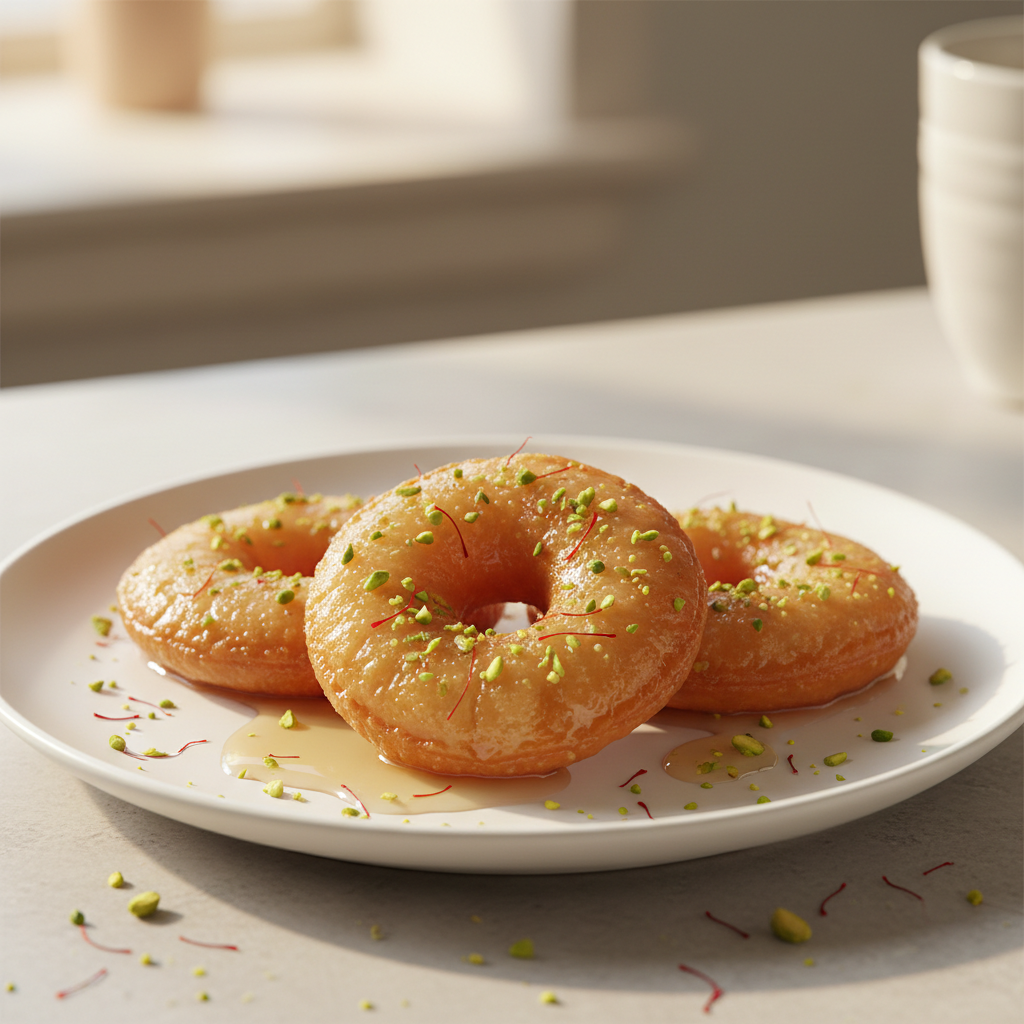
One more thing before we start: there are a few “authentic” variations, like adding cardamom-heavy filling or using khoya/mawa made from scratch. I’ll give options, but I’ll keep the core process dependable so you can repeat it.
What you’re really making (and why it goes wrong)
Sweet mawa kachori is a stuffed, deep-fried pastry that gets a quick dip in sugar syrup. The shell should stay crisp outside, slightly layered inside, while the center tastes like toasted milk solids, nuts, and warm spices.
- Soggy kachori usually means syrup is too thin, too hot, or soak time is too long.
- Hard shell often comes from dough that’s too tight, not rested, or fried at too low a temperature for too long.
- Leaking filling tends to happen when the filling is still moist or the seal is weak.
- Greasy results usually come from oil temperature that drops, overcrowding, or dough with too little fat.
Key takeaway: dry filling + rested dough + steady oil temperature beats any “secret ingredient.”
Ingredient list and smart substitutions for U.S. kitchens
In many American grocery stores, the only tricky ingredient is mawa (khoya). You can often find it in Indian markets frozen, or use shortcuts that still taste good.
For the dough (kachori outer shell)
- 2 cups all-purpose flour
- 1/4 cup ghee (or neutral oil, but ghee tastes better)
- 1/2 tsp salt
- About 1/2 cup water, added gradually
For the sweet mawa filling
- 1 cup mawa/khoya, crumbled
- 1/3 to 1/2 cup sugar (adjust to taste)
- 1/3 cup chopped nuts (pistachios + almonds work well)
- 1 tsp ground cardamom
- 1 tbsp raisins (optional)
- 1 to 2 tbsp desiccated coconut (optional)
For sugar syrup
- 1 cup sugar
- 3/4 cup water
- 1/2 tsp cardamom
- A pinch of saffron (optional)
- 1 tsp rose water (optional)
Mawa substitutes (when you can’t find khoya)
Substitutes change the flavor slightly, but they can still deliver that sweet, milky center.
- Whole-milk ricotta: drain well, then cook until thick and slightly grainy.
- Milk powder mawa: mix milk powder + a little warm milk + ghee, then cook briefly.
According to USDA FoodData Central, dairy ingredients vary widely in moisture and fat content, so if you substitute, expect to cook the filling longer to drive off moisture.
Quick table: timings, textures, and “don’t panic” cues
| Stage | What you want | Common mistake | Fix |
|---|---|---|---|
| Dough mixing | Soft, slightly tacky, not elastic | Kneading like bread | Mix gently, rest longer |
| Dough rest | 30–45 min covered | Skipping rest | Rest improves rolling and flake |
| Filling cook | Dry, crumbly, aromatic | Leaving it moist | Cook 3–6 min more, cool fully |
| Frying | Even golden, blistered surface | Oil too cool, overcrowding | Fry fewer, maintain temp |
| Syrup | Light sticky, coats spoon | Watery or too thick | Simmer to “1-string-ish” feel |
| Soak | 10–20 sec dip | Long soak | Dip, drain, garnish |
Step-by-step: how to make sweet mawa kachori at home
If you want consistent results, do it in this order: dough first, filling second, syrup third, shaping fourth, frying last. That way your syrup is warm when the kachoris come out.
1) Make and rest the dough
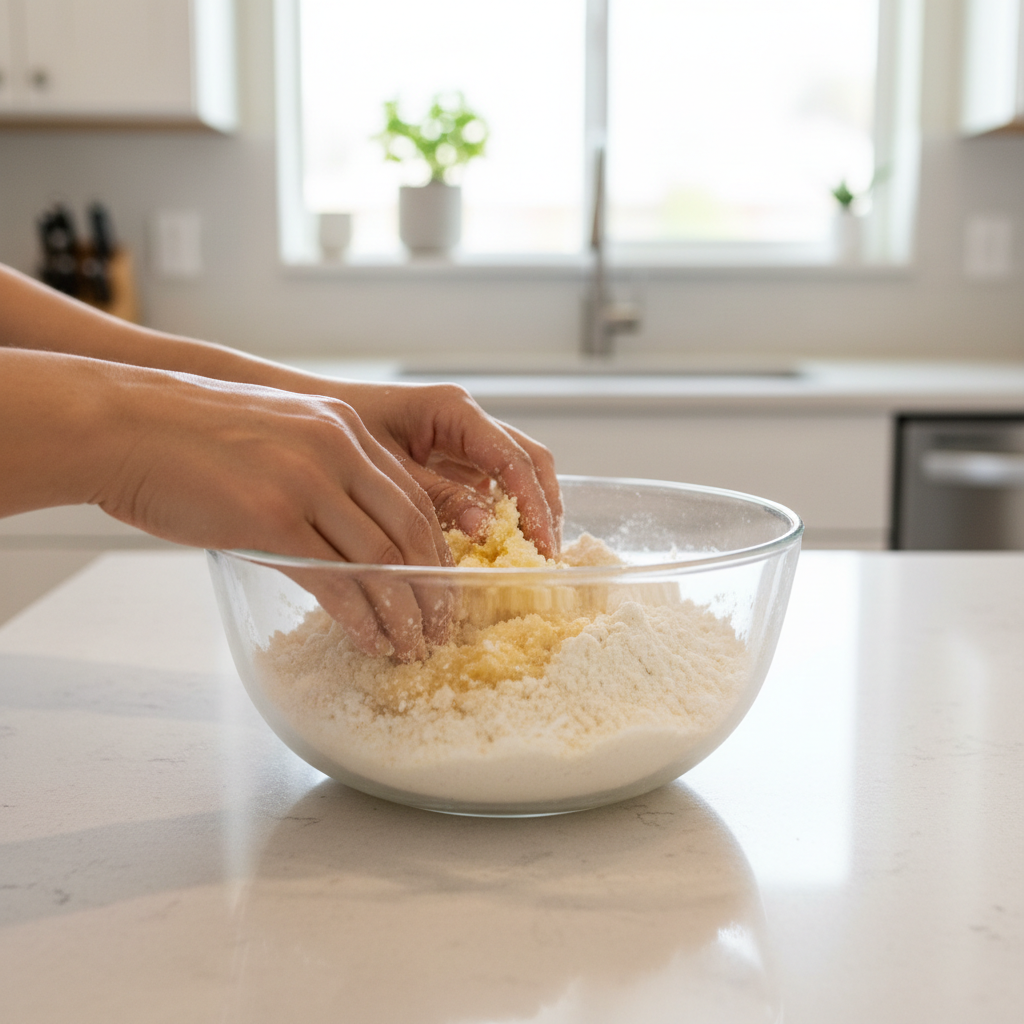
- In a bowl, mix flour and salt.
- Rub in ghee with your fingertips until it looks like coarse crumbs. When you press some in your hand, it should hold shape.
- Add water little by little, mixing just until a soft dough forms.
- Cover and rest 30–45 minutes.
Why this matters: rubbing in fat creates tiny layers that fry into flakiness, resting prevents shrinkage when you roll.
2) Cook the mawa filling until dry
- Heat a nonstick skillet on low-medium.
- Add crumbled mawa, stir continuously 3–6 minutes until it smells toasted and looks drier.
- Add sugar, stir until it melts, then keep cooking until the mixture turns thick again.
- Turn off heat, mix in nuts, cardamom, raisins, coconut.
- Cool completely before stuffing.
Cooling is not optional, warm filling softens the dough and increases leaking.
3) Make a light sticky syrup (not candy-thick)
- Bring sugar and water to a gentle simmer.
- Simmer 5–8 minutes until syrup feels slightly sticky between fingers, and coats a spoon lightly.
- Add cardamom and saffron near the end, rose water off heat.
According to FDA guidance on home food preparation, hot sugar syrups can cause serious burns, so keep kids away from the stove and handle with care.
4) Shape and seal the kachoris
- Divide dough into 10–12 equal balls, keep covered.
- Roll one ball into a 3–4 inch circle, edges slightly thinner than center.
- Add 1 to 1.5 tbsp filling in the center.
- Gather edges, pinch to seal, then gently flatten slightly.
If the seal feels sticky, lightly grease fingers with ghee instead of adding extra flour, extra flour can toughen the crust.
5) Fry slowly, then finish crisp
- Heat oil or ghee in a deep pot. Aim for medium heat.
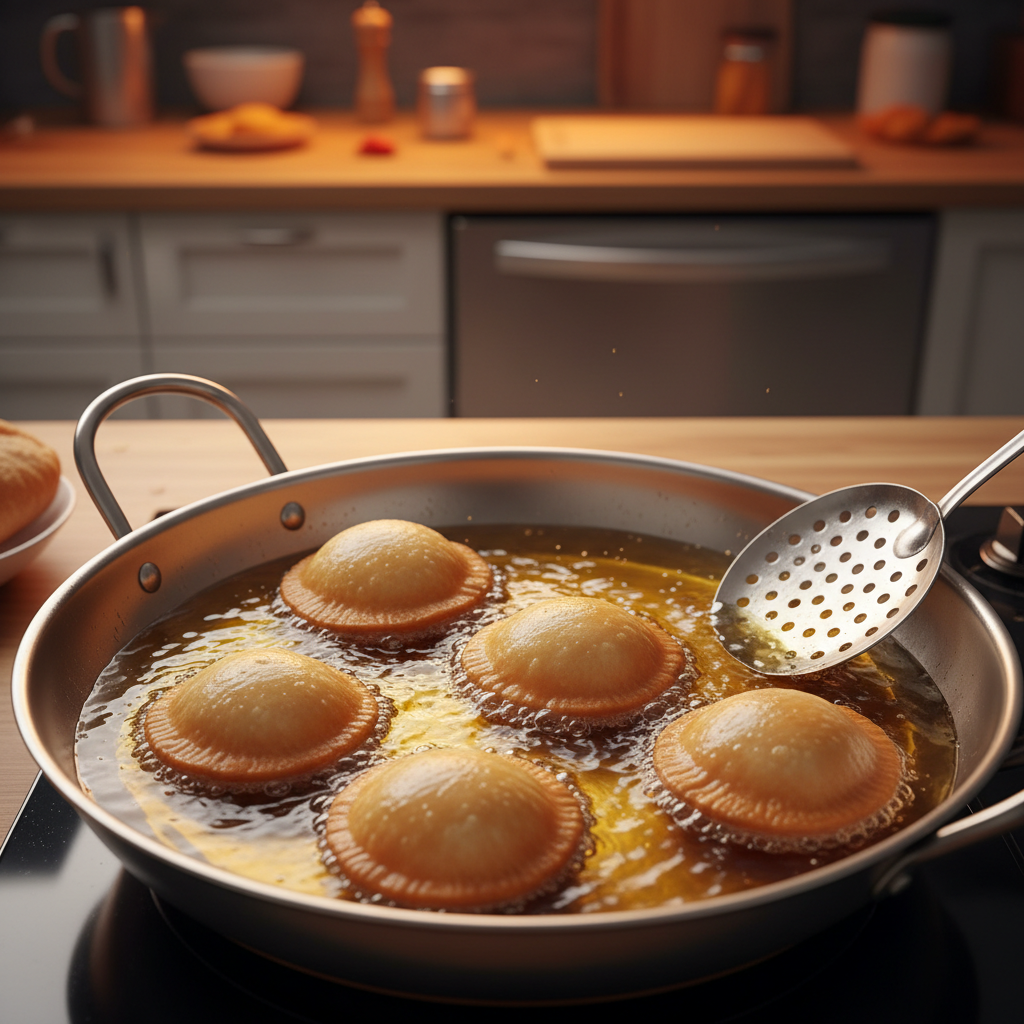
- Fry 2–3 kachoris at a time. Let them set before stirring.
- Keep turning until evenly golden, 8–12 minutes depending on size.
Many home cooks rush this step, but sweet kachori needs time for layers to cook through without burning outside.
6) Quick dip in syrup, garnish, serve
- Dip each hot kachori in warm syrup for 10–20 seconds.
- Remove, drain on a rack or plate.
- Top with chopped pistachios, a pinch of cardamom, optional silver leaf if you use it.
For the classic bakery vibe, serve warm with a spoon of syrup over the top, not another long soak.
Self-check list: are you on track?
- Dough test: when you poke it, it leaves a dent and doesn’t spring back fast.
- Filling test: it crumbles when pressed, no wet patches, no syrupy pooling in the pan.
- Oil test: a small dough piece rises steadily with gentle bubbling, not violent bubbling.
- Syrup test: it feels tacky, but still pours easily.
If two or more checks fail, fix those before frying the whole batch, it saves frustration.
Practical tweaks for flavor, texture, and make-ahead
Flavor upgrades that stay “on theme”
- Nut balance: pistachio for aroma, almond for bite, cashew for richness.
- Spice control: cardamom is the main note, add a tiny pinch of nutmeg if you like warmth.
- Filling depth: toast nuts lightly before mixing, it makes the center taste less one-note.
Make-ahead plan (realistic for busy weekends)
- Make filling 1–2 days ahead, refrigerate airtight.
- Make dough same day for best texture, but you can mix it a few hours early.
- Fry just before serving if possible, crispness fades over time.
If you’re serving later, keep fried kachoris un-soaked, then warm briefly and dip right before eating.
Common mistakes (and the small fixes that actually help)
- Using wet ricotta as “mawa”: drain and cook down, otherwise the filling leaks and turns pasty.
- Over-kneading the dough: it tightens gluten, shells fry up tough. Mix just until combined.
- Adding lots of flour while rolling: flour burns in oil and makes shells dry. Use minimal dusting.
- Syrup too thick: it candy-coats and over-sweetens. Loosen with a splash of hot water if needed.
- Soaking too long: you want a quick glaze-like soak, not a gulab jamun bath.
Conclusion: the repeatable method that makes it taste “right”
When people ask how to make mawa kachori recipe sweet and still crisp, the answer is rarely a new ingredient, it’s the sequence and the textures. Keep the filling dry, let the dough rest, fry patiently, then give a short syrup dip and stop.
If you make this once, take notes on your syrup feel and fry heat, that’s usually what brings batch two from “pretty good” to the version you’d proudly serve guests.
Action steps: start with store-bought mawa if you can find it, and commit to the quick dip instead of a long soak, your crunch will thank you.
FAQ
How do I keep sweet mawa kachori from turning soggy?
Use a slightly sticky syrup, keep it warm not boiling, and limit dipping to about 10–20 seconds. Drain on a rack so excess syrup doesn’t pool underneath.
Can I bake mawa kachori instead of frying?
You can bake, but the texture will be more like a stuffed pastry than a classic kachori. If you try it, brush generously with ghee and bake until deep golden, then do a very quick syrup brush instead of dipping.
What oil is best for frying sweet kachori?
A neutral oil with a higher smoke point, like canola or peanut, usually works well. Ghee adds flavor but can brown faster, so keep heat moderate.
My filling becomes runny after adding sugar, what should I do?
Keep cooking on low-medium heat and stir until it turns thick and starts leaving the pan sides. The goal is a dry, crumbly finish before cooling.
How long does sweet mawa kachori last?
It varies by humidity and soak level. In many kitchens, un-soaked fried shells stay decent for a day in an airtight container, while syrup-soaked ones soften faster and taste best the same day.
Can I use milk powder instead of mawa?
Yes, many home cooks do. Mix milk powder with a little milk and ghee, then cook briefly to a mawa-like texture before adding sugar and nuts.
Why does my kachori burst while frying?
Usually the seal is weak or the filling is too moist. Cool the filling fully, seal carefully, and avoid rolling the dough too thin at the center.
If you’re trying to dial this in for a party or you want a more predictable workflow, it often helps to prep the filling and measure dough portions ahead, then fry in small batches and syrup-dip right before serving so you control crispness instead of chasing it.