
best misal pav recipe spicy easy is really about two things: building a deep, punchy base without cooking all day, and keeping every topping crisp so the pav never turns soggy.
If you have tried Misal Pav once and thought it was either oily, flat, or confusing to assemble, you are not alone. In many home kitchens, the curry gets rushed, the spice balance drifts, and the “crunch” elements show up too late or too early.
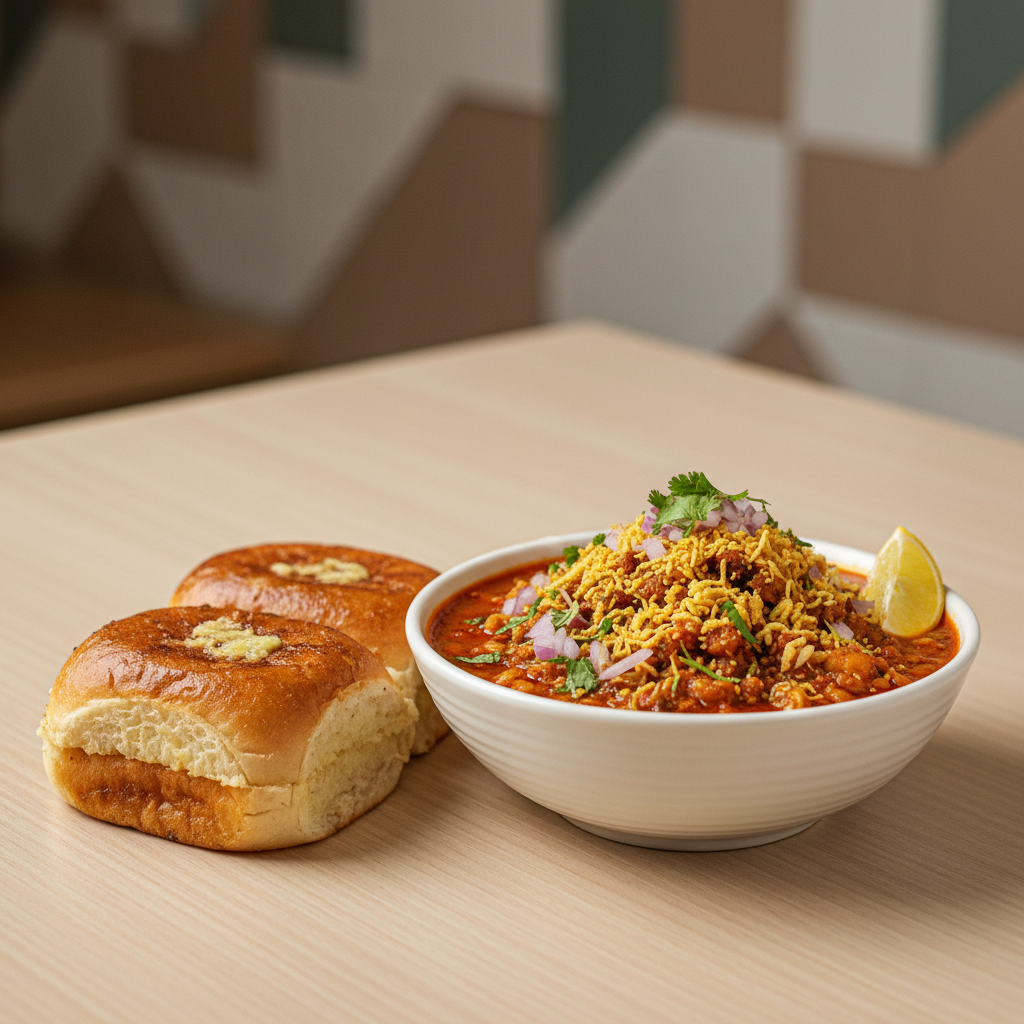
This guide keeps it practical for a U.S. kitchen: options if you cannot find traditional ingredients, a clear heat scale, and a simple assembly method so each bowl tastes like it came from a good street-food counter rather than a random stew.
Key idea: make one strong “misal masala” flavor base, then decide your heat with a separate spicy oil, that way you can serve both spice-lovers and cautious eaters at the same table.
What Misal Pav Is (and What Makes It “Best” at Home)
Misal is a layered dish: a sprouted bean curry, a spicy-tangy gravy, and a topping stack that adds crunch, freshness, and acid. Pav is the soft roll you toast and use for scooping.
In a lot of home attempts, everything gets mixed into one pot and simmered until the toppings lose their point. The best version keeps structure: curry stays spoonable, toppings stay crisp, and pav stays toasted.
- Spice without chaos: heat comes from a controlled chili oil or “tarri,” not only from dumping chili powder into the whole pot.
- Tang: usually from tamarind, lemon, or a touch of tomato, but it should not taste like tomato soup.
- Texture: farsan or sev, onions, cilantro, plus toasted pav make it feel complete.
Ingredients You Need (with Easy U.S. Substitutions)
This is where most people get stuck, so here is the realistic shopping list. Indian grocery makes it easier, but you can still get close with common U.S. items.
Main components
- Sprouts: moth beans (matki) are classic, but mung bean sprouts work well and are easier to find.
- Potatoes: 1 to 2 medium, diced, they add body and comfort.
- Aromatics: onion, ginger, garlic.
- Spices: cumin, coriander, turmeric, Kashmiri chili (or mild paprika + a little cayenne).
- Tang: tamarind concentrate, or lemon juice if needed.
- Pav: Indian pav, dinner rolls, or soft potato rolls.
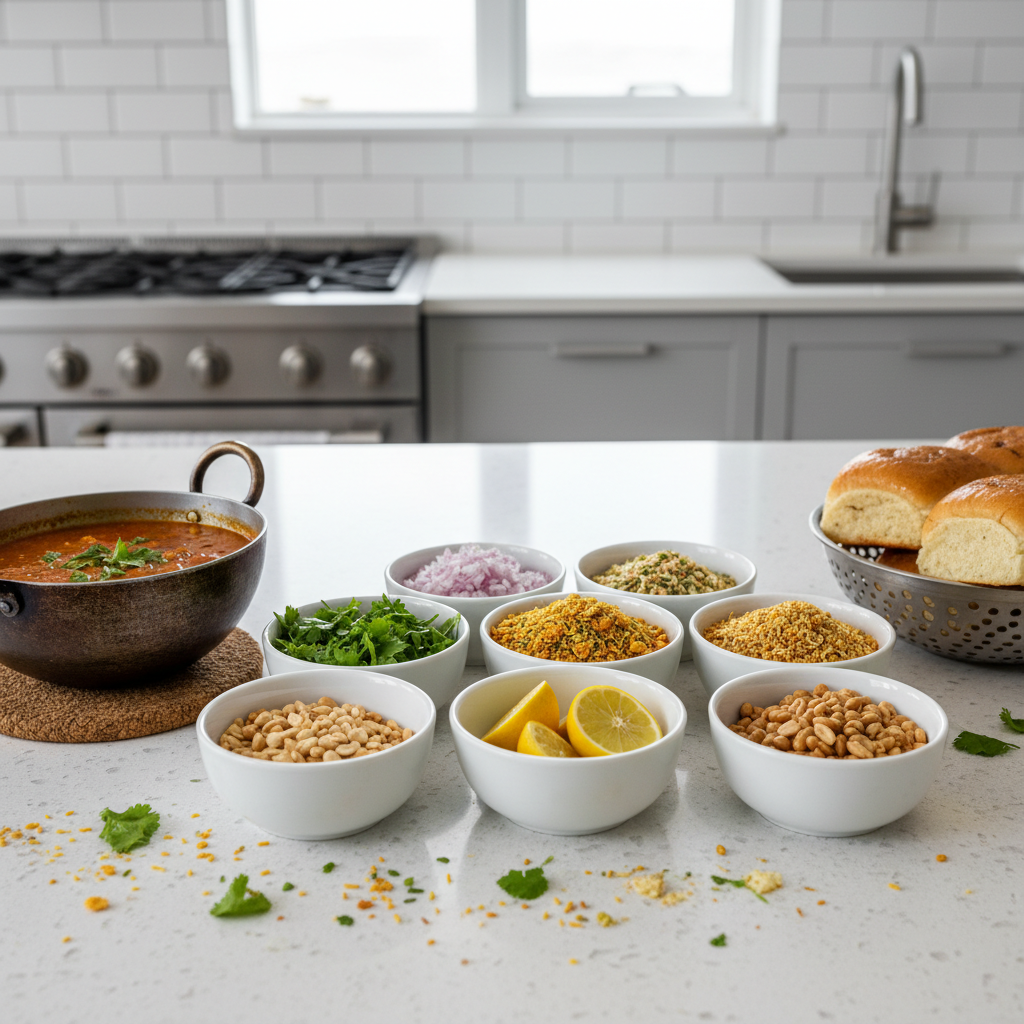
Toppings (do not skip these)
- Farsan/mixture: from Indian store, or use sev, or in a pinch crushed thin pretzels for crunch.
- Chopped red onion
- Chopped cilantro
- Lemon wedges
Note on spice: if you cook for mixed preferences, keep the base medium and finish bowls with spicy tarri, it is the easiest “custom heat” trick.
Heat and Flavor Logic: Why Misal Turns Bland or Too Hot
Misal flavor can swing fast. Usually the issue is not your chili powder, it is the structure.
- Problem: “It tastes flat.” Often means: not enough roasted spice depth, or not enough acid at the end. Add a small tamarind splash, then salt-check again.
- Problem: “It is hot but not tasty.” Often means: heat without aroma. Add toasted cumin-coriander, more onion browning, and a tiny pinch of sugar to round edges.
- Problem: “It is oily.” Often means: too much oil early. Use less in the base, then create a separate tarri that you drizzle only if you want.
- Problem: “It is watery.” Often means: sprouts not cooked down enough, or potatoes too firm. Simmer uncovered and mash a few potato cubes for body.
According to USDA Food Safety and Inspection Service (FSIS), cooked foods should not sit in the temperature danger zone for long periods, so if you set up a toppings bar for guests, keep the hot curry hot and the cold toppings chilled until serving.
Self-Check: Which Misal Pav Style Fits Your Kitchen Tonight?
Before cooking, decide your lane. This is how you avoid half-committing and ending up with a pot of “spicy bean soup.”
- Weeknight fast: store-bought sprouts + quick masala + 20 minute simmer, topping-heavy.
- Comfort bowl: more potato, slightly thicker gravy, medium heat, generous lemon.
- Street-style punch: stronger tarri, sharper tamarind, more crunch on top.
- Meal prep: base curry in bulk, tarri and toppings stored separately.
Best Easy Spicy Misal Pav Recipe (Step-by-Step)
This is designed to be doable without specialty equipment. If you have a blender, it helps, but you can still get a good result with a pan and a spoon.
1) Cook the sprouts and potatoes
- In a pot, add 2 to 3 cups sprouts, diced potatoes, 1/2 tsp turmeric, salt, and enough water to cover.
- Simmer until sprouts feel tender and potatoes break easily with a spoon, usually 15 to 25 minutes depending on sprouts.
2) Build the misal masala base
- In a separate pan, heat 1 to 2 tbsp oil, sauté 1 chopped onion until deep golden, not pale.
- Add ginger-garlic, cook until fragrant.
- Add 2 tsp coriander, 1 tsp cumin, 1 to 2 tsp Kashmiri chili or paprika mix, cook 30 to 60 seconds so spices bloom, then add a little water to prevent burning.
- Add 1 to 2 tbsp tamarind concentrate diluted in water, or add later if unsure.
3) Combine and simmer
- Pour the masala into the sprouts pot, simmer 10 to 15 minutes uncovered.
- Mash a few potato pieces against the pot wall to thicken.
- Taste, then adjust salt, tang, and sweetness. A small pinch of sugar can help if the chili feels sharp.
4) Make a quick tarri (spicy oil) for “street-style” heat
- Heat 2 tbsp oil in a small pan, add 1/2 tsp cumin and a pinch of asafoetida if you have it.
- Add 1 to 2 tsp chili powder, stir fast, then immediately add 2 to 3 tbsp water to stop scorching.
- Simmer 1 minute, salt lightly, keep warm.
5) Toast the pav
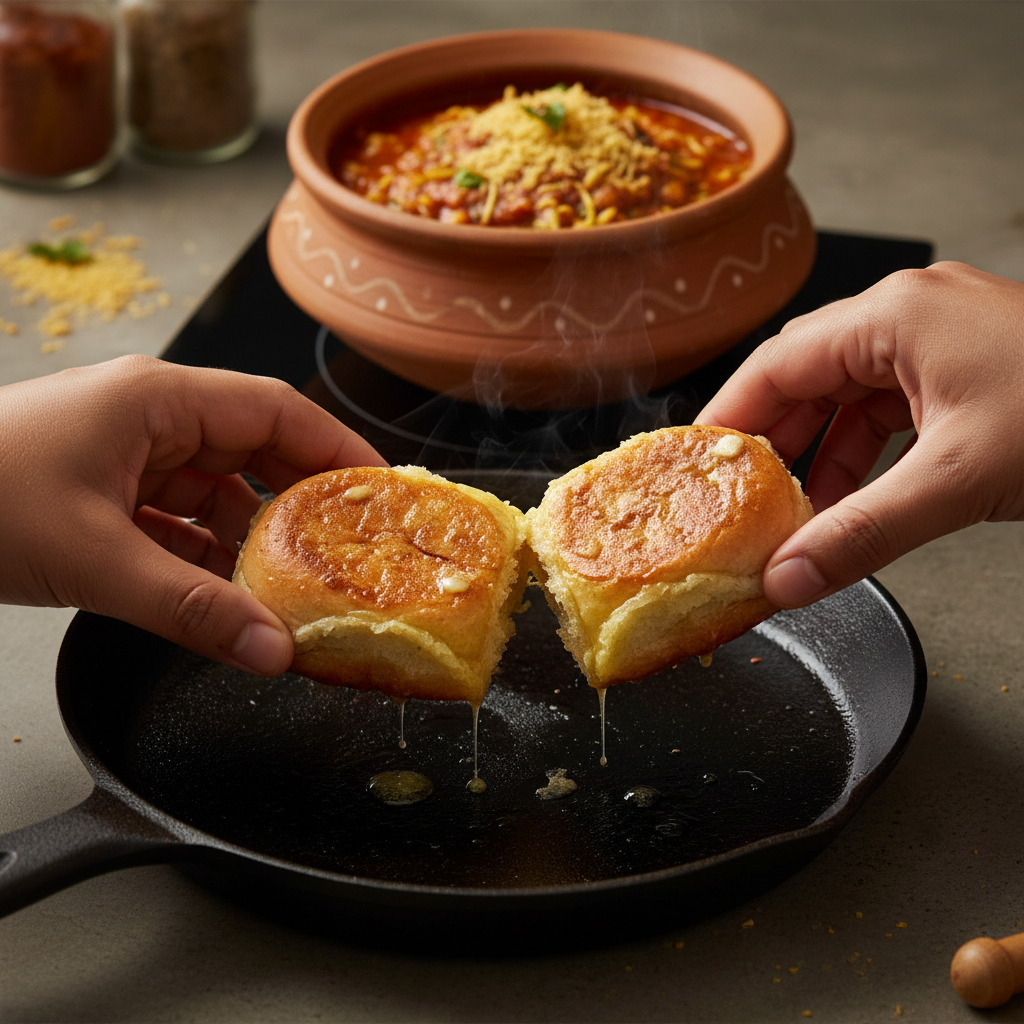
- Split rolls, toast on a skillet with butter or oil until edges turn crisp.
6) Assemble each bowl (order matters)
- Base misal curry
- Drizzle tarri to taste
- Add farsan or sev
- Top with onion, cilantro
- Finish with lemon squeeze
- Serve with toasted pav
Quick win: if the bowl tastes “close but not there,” add lemon and crunch before adding more chili, many people fix the wrong thing.
Timing, Storage, and Meal Prep (So Nothing Turns Soggy)
The easiest way to keep this best misal pav recipe spicy easy for busy weeks is separating components.
- Curry base: cool and refrigerate in a sealed container, typically keeps a few days, reheat to a steady simmer.
- Tarri: store separately, warm briefly before serving.
- Toppings: onions and cilantro in small containers, keep farsan in a dry jar.
- Pav: toast right before eating, it changes the whole experience.
According to U.S. Food & Drug Administration (FDA), leftovers should be refrigerated promptly, and when reheating soups or stews you generally want an even, thorough reheat; if you have specific health concerns, it is reasonable to ask a clinician for guidance.
Spice Level and Ingredient Swap Table
This table helps you tune heat and still keep the profile “misal,” not just generic spicy curry.
| What you have | Swap | How it changes flavor | Fix |
|---|---|---|---|
| Mung sprouts only | Use mung, cook a bit longer | Milder, cleaner taste | Add stronger tarri and extra coriander |
| No tamarind | Lemon juice at the end | Brighter, less deep tang | Add a tiny pinch of brown sugar |
| No farsan | Sev, or crunchy snack mix | Texture changes, still works | Keep it dry, add right before eating |
| Only cayenne | Use less cayenne + paprika | Heat spikes fast | Use tarri method, keep base medium |
| Gluten-free need | GF rolls or rice | Less classic “pav” feel | Toast well, add extra onion and sev |
Common Mistakes (and the Fixes That Actually Work)
A few small missteps can ruin the payoff, especially when you want spicy easy results.
- Burning powdered spices: if your pan looks dry, add a spoon of water before they darken, burnt spice tastes bitter and “dusty.”
- Overcooking sprouts into mush: tender is the goal, but keep some bite, otherwise everything turns pasty.
- Salting too early: simmer reduces liquid and concentrates salt, so do final salt after the last simmer.
- Mixing toppings into the pot: keep onions, farsan, and herbs out until serving, crunch is not optional here.
- Chasing heat only: if it feels aggressive, add lemon, a pinch of sugar, or more curry base, not just more chili.
Conclusion: A Misal Pav You Can Repeat, Not Just “Try Once”
This best misal pav recipe spicy easy approach works because it separates the flavorful base from the heat lever, and it treats toppings as part of the recipe rather than decoration. If you do two things this week, toast the pav properly and add tarri per bowl, you will feel the difference immediately.
If you want a low-stress next step, cook the curry base on Sunday, then keep toppings ready, weeknight Misal Pav becomes a 10-minute assembly instead of a project.
If you are trying to match a specific regional style, manage dietary needs, or dial spice for sensitive digestion, a quick check-in with a qualified nutrition professional can be helpful, especially if you are adjusting fiber or heat significantly.
FAQ
- How do I make misal pav spicy without making it bitter?
Use a separate tarri and bloom chili briefly, then stop it with water, bitterness often comes from scorched spice powder. - Can I use canned beans instead of sprouts?
You can, and it will still be tasty, but it reads more like a bean curry; if you go that route, add extra crunch and a brighter lemon finish. - What is the easiest substitute for pav in the U.S.?
Soft dinner rolls or potato rolls toast well and stay tender inside, just avoid crusty baguettes that fight the curry. - Why does my misal taste “thin” even after simmering?
Try mashing a few potato pieces or blending a small ladle of curry and stirring it back in, it thickens without heavy cream. - Is Misal Pav very oily?
Street versions can be oil-forward, but at home you can keep the base lighter and add a controlled drizzle of tarri only if you want. - Can I make it ahead for a party?
Yes, and it is often better the next day, keep curry hot in a slow cooker and set toppings separately so guests build their own bowls. - What if I cannot find farsan or sev?
Use any dry crunchy topper you like, even a mild snack mix, then add extra onion and cilantro so it still feels fresh and layered.
If you are cooking for friends and want the “wow” without stress, set up a small toppings bar and let everyone customize heat, it is the most reliable way to make Misal Pav feel fun rather than fussy.