
Leftover recipes work best when you stop treating leftovers like a sad rerun and start treating them like pre-cooked ingredients you can remix into real meals.
If your fridge feels full but dinner still feels hard, you’re not alone, most leftovers are awkward portions, mismatched flavors, or one ingredient with no obvious next step. The good news is you can get a lot more mileage with a few repeatable patterns.
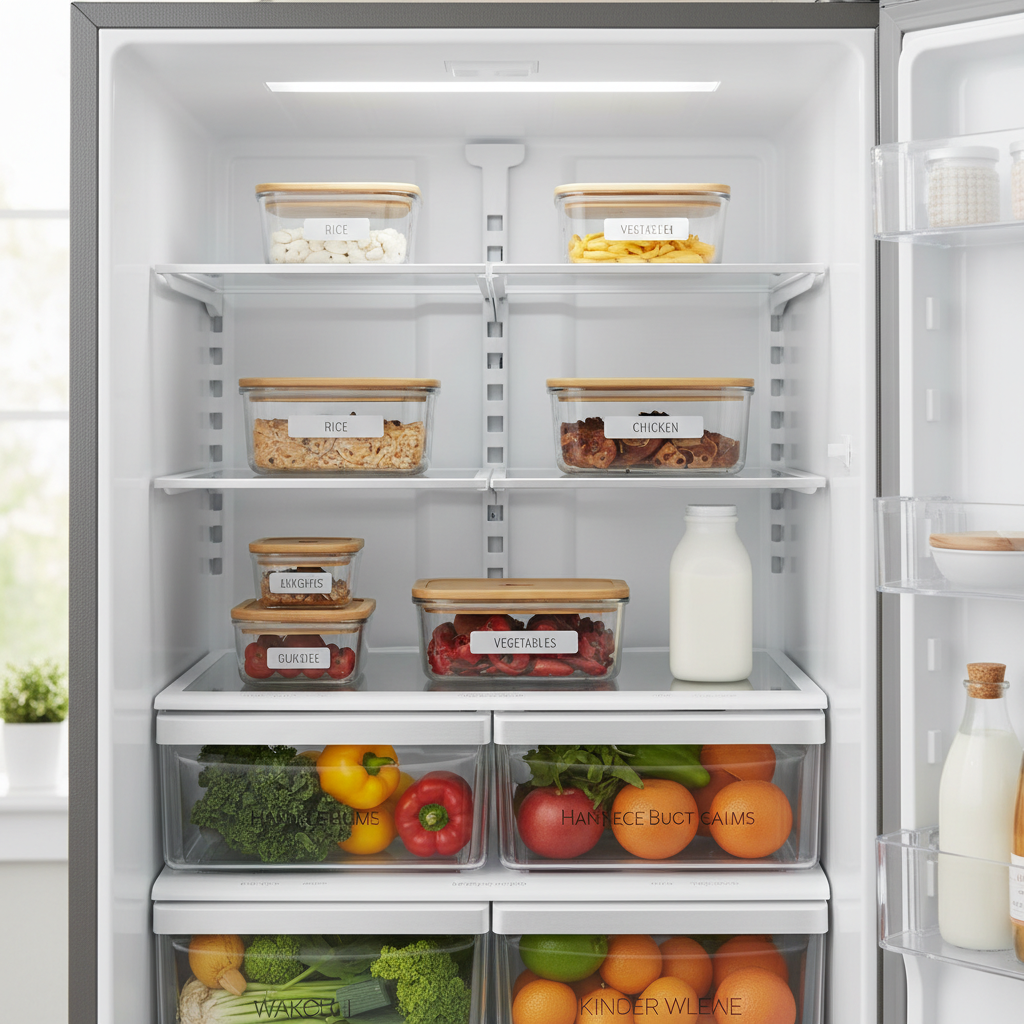
This guide focuses on practical leftover recipes you can actually pull off on a weeknight, plus a quick self-check for what you have, a remix table, and a few safety notes so you feel confident using what’s already in the house.
Why leftovers feel harder than cooking from scratch
The frustrating part is that leftovers are already cooked, but they’re also half-finished, and that limbo creates decision fatigue. A few patterns show up in most kitchens.
- Portion problems: not enough for a full meal, too much to ignore, perfect for add-ins though.
- Texture drift: rice dries out, pasta gets soft, roasted vegetables turn limp, still useful if you re-purpose them.
- Flavor mismatch: last night’s spicy chicken and a plain side dish don’t automatically become dinner.
- No anchor: people save sides but forget to pair them with a protein, sauce, or carb that makes it feel complete.
Once you accept that leftovers need a small “bridge” ingredient or two, leftover recipes become a lot less mysterious.
A quick leftover inventory check (2 minutes, no overthinking)
Before you look for ideas, check what you actually have. This is the part most people skip, then they end up cooking something that ignores the best leftovers.
- Proteins: roast chicken, taco meat, beans, tofu, salmon, deli turkey
- Carbs: cooked rice, pasta, tortillas, bread, roasted potatoes
- Vegetables: roasted veg, salad greens, steamed broccoli, sautéed onions
- Boosters: eggs, cheese, yogurt, canned tomatoes, broth, frozen peas, pickles
- Sauces: pesto, salsa, soy sauce, jarred marinara, tahini, hot sauce
If you have one protein + one carb, dinner is basically a sauce decision. If you only have sides, aim for a “one-pan scramble” or a soup.
The remix formula: 6 reliable ways to turn leftovers into meals
Instead of hunting for a perfect recipe match, use a format that welcomes substitutions. These formats carry most leftover recipes in real life.
1) Fried rice and grain bowls
Day-old rice works well because it’s drier, which helps it crisp. Add any cooked veg, a protein, and a fast sauce.
- Base: rice, quinoa, farro
- Add: chopped leftover meat or tofu, frozen peas, scallions
- Sauce: soy + sesame oil, or teriyaki, or chili crisp + vinegar
2) Sheet-pan nachos or flatbread melts
This is the “tiny portions” solution. Small bits become toppings, and cheese glues it all together.
- Base: tortilla chips or naan/pita
- Add: taco meat, beans, roasted peppers, corn
- Finish: salsa, pickled onions, cilantro, lime
3) Big salad with a warm topper
Leftover roasted vegetables and proteins feel intentional when you warm them and put them on crisp greens.
- Greens: romaine, arugula, spinach
- Warm topper: chicken, salmon, roasted broccoli, potatoes
- Dressing: lemon + olive oil, or yogurt + herbs
4) Soup, ramen, or “fridge stew”
If texture has gone off, soup forgives it. Add broth, a punchy seasoning, and something starchy.
- Start: sauté onion/garlic if you have it
- Add: leftover veggies, shredded meat, beans
- Finish: noodles, rice, or a slice of toast
5) Breakfast-for-dinner: frittata, scramble, breakfast tacos
Eggs are the fastest way to turn leftover sides into a meal, especially when you have odds-and-ends vegetables.
- Add-ins: roasted veg, chopped deli meat, a handful of cheese
- Extras: hot sauce, salsa, avocado if it’s around
6) Pasta “new sauce” nights
Leftover cooked pasta can still work if you reheat it in sauce, not plain water. You’re aiming for “coated,” not “soggy.”
- Try: marinara + leftover meat, pesto + roasted veggies, garlic butter + greens
Leftover recipes table: match what you have to what you can make
This table is meant to be a fast decision tool. Pick your leftover, add the suggested “bridge” ingredient, and you’re basically done.
| Leftover you have | Best meal format | Add 1–2 bridge ingredients | Flavor finish |
|---|---|---|---|
| Roast chicken | Tacos, soup, salad | Tortillas or broth, onions | Salsa verde, lemon, hot sauce |
| Cooked rice | Fried rice, grain bowl | Egg, frozen veg | Soy sauce, sesame oil, chili crisp |
| Roasted vegetables | Frittata, pasta, salad | Eggs or pasta, greens | Parmesan, balsamic, herbs |
| Cooked ground beef/turkey | Nachos, chili, pasta | Beans or canned tomatoes | Cumin, smoked paprika, cheddar |
| Mashed potatoes | Potato cakes, shepherd’s pie | Egg, breadcrumbs, frozen peas | Gravy, chives, black pepper |
| Stale bread | Croutons, panzanella, strata | Tomatoes or eggs + milk | Garlic, olive oil, Italian herbs |
Three no-fuss, step-by-step leftover meals (real weeknight pacing)
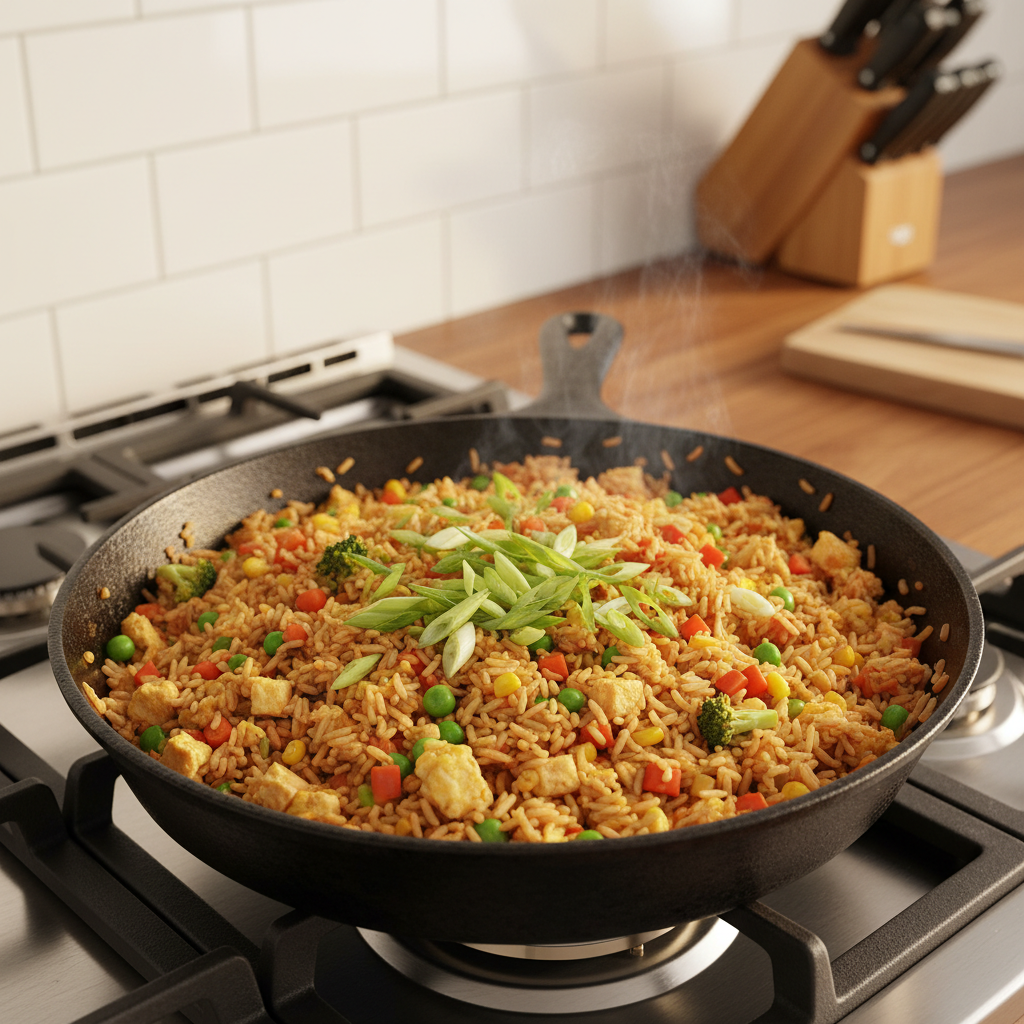
15-minute leftover fried rice
Use this when you have cooked rice and anything else that looks lonely.
- Heat oil in a wide pan, add chopped onions or scallions if available.
- Add leftover rice, press it into the pan, let it sit so it dries and browns a bit.
- Stir in chopped leftovers and frozen veg, push to the side, scramble an egg.
- Finish with soy sauce, a little sesame oil, and something acidic like rice vinegar or lime.
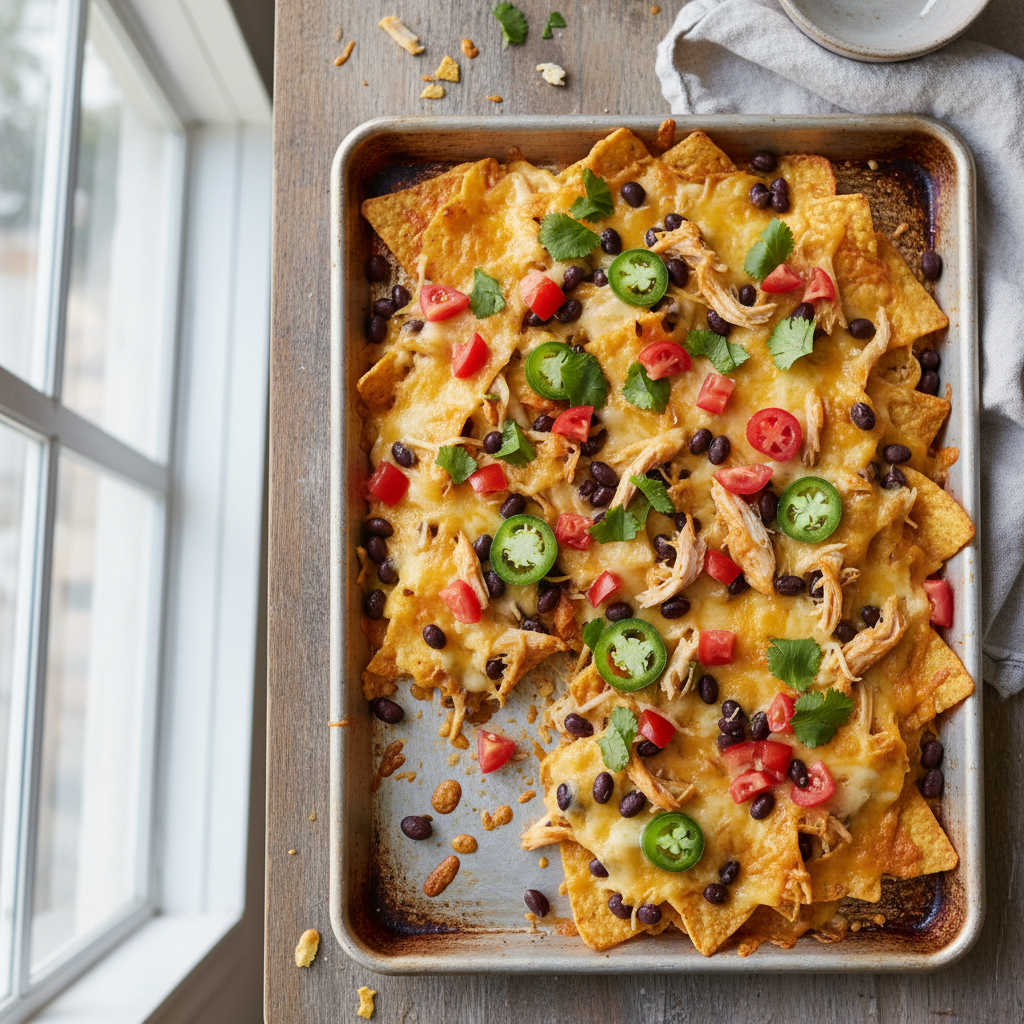
Sheet-pan leftover nachos
Use this when you have small amounts of meat, beans, veggies, and you want low-effort comfort food.
- Spread chips on a sheet pan, scatter toppings, add cheese.
- Bake at about 400°F until melted and bubbling.
- Top with salsa, yogurt or sour cream, and pickled jalapeños if you like heat.
Clean-out-the-fridge soup
Use this when textures feel off but flavors are still fine.
- Warm broth or water + bouillon, add leftover cooked veg and protein.
- Add a starch: noodles, rice, or diced potatoes.
- Season at the end: salt, pepper, lemon, herbs, or a spoon of pesto for richness.
Food safety and storage: the part you shouldn’t ignore
Leftover recipes are only a win if the food is safe and still tastes decent. According to USDA Food Safety and Inspection Service, many cooked leftovers are best used within 3 to 4 days when refrigerated, and you’ll want to reheat foods to a safe internal temperature when applicable. If you’re unsure, checking USDA guidance or asking a food safety professional is a sensible move.
- When in doubt, throw it out: sour smell, visible mold, or slimy textures usually mean it’s not worth “saving.”
- Cool quickly: get food into shallow containers so it chills faster.
- Reheat with intention: soups and saucy dishes reheat more evenly than dry items.
- Freezer is your friend: if you know you won’t eat it soon, freeze earlier, not later.
If you’re cooking for someone pregnant, immunocompromised, or very young, it’s smart to be extra conservative and consult a qualified professional when questions come up.
Common leftover mistakes that keep you stuck (and what to do instead)
A lot of leftover fatigue comes from repeating the same approach that didn’t work last week.
- Mistake: reheating everything the same way. Do this instead: crisp in a pan, or fold into eggs, or simmer in broth.
- Mistake: saving “plain sides” with no plan. Do this instead: pair each container with one obvious next use, even a quick note helps.
- Mistake: waiting too long to decide. Do this instead: pick one “leftover night” each week and commit.
- Mistake: skipping acidity. Do this instead: lemon, vinegar, pickles, or salsa, it wakes up tired flavors fast.
Key takeaways for making leftovers actually disappear
- Think in formats (fried rice, nachos, soup, eggs), not strict recipes.
- Add one bridge ingredient to create a complete meal, eggs, broth, tortillas, greens, or cheese.
- Finish with a flavor pop like citrus, vinegar, herbs, or something crunchy.
- Be realistic about timing, if you won’t eat it in a few days, freeze it while it’s still fresh.
Conclusion: make leftovers the easiest dinner, not the hardest
Leftover recipes don’t need to be clever, they need to be repeatable. Pick two formats your household likes, keep a couple bridge ingredients around, and you’ll waste less food without feeling like you’re eating the same meal on repeat.
If you want an easy next step, choose one leftover in your fridge tonight, then decide whether it wants to become a bowl, a soup, or an egg dish, once that choice is made, the rest goes quickly.
FAQ
What are the best leftover recipes for picky eaters?
Formats that hide mixed textures usually land better, think quesadillas, pasta with sauce, or a simple frittata with cheese. Keep seasonings mild and offer toppings on the side.
How do I make leftovers taste fresh again?
Add contrast: something crunchy, something acidic, and a little fresh herb. Even plain rice feels new with lime and scallions, or a spoon of salsa and yogurt.
Can I use leftover pasta for a new dish without it getting mushy?
Yes, but reheat it in sauce or in a pan with a splash of broth, not by over-boiling. If it’s already very soft, turning it into a baked pasta can be more forgiving.
What leftover recipes work when I only have side dishes?
Eggs and soup are your best tools. Sides can become a scramble, frittata, or a quick soup with broth and a can of beans.
How long are cooked leftovers usually safe in the fridge?
Many cooked foods are often recommended to be used within a few days. According to USDA Food Safety and Inspection Service, 3 to 4 days is a common guideline, and when you’re uncertain, it’s safer to toss.
What should I always keep on hand to make leftover recipes easier?
Frozen vegetables, eggs, tortillas, a jarred sauce you like, and a couple punchy condiments such as hot sauce or chili crisp. Those items turn “nothing” into dinner quickly.
How do I stop forgetting leftovers in the back of the fridge?
Use clear containers and keep a “eat first” shelf. Even a piece of painter’s tape with a date helps you make faster decisions midweek.
Are leftover recipes good for meal prep lunches?
They can be, especially bowls, soups, and pasta bakes, which travel well. If you’re meal prepping, aim for foods that reheat evenly and keep dressings separate until eating.
If you’re trying to cut food waste without spending your evenings improvising, build a small “leftover playbook” for your house: two go-to formats, a short bridge-ingredient list, and one weekly leftover night that keeps the fridge honest.