
Ramen recipes don’t have to mean a 12-hour broth or a sink full of dishes, you can build a satisfying homemade bowl on a weeknight if you treat ramen like a set of small, doable choices.
If you’ve ever tried making ramen at home and ended up with flat broth, gummy noodles, or toppings that feel random, you’re not alone, most “easy” guides skip the little details that actually change the flavor.
This article gives you a practical framework: a few reliable broth paths, noodles that behave, toppings that taste like you meant them, plus a simple timeline so you can repeat it without overthinking.
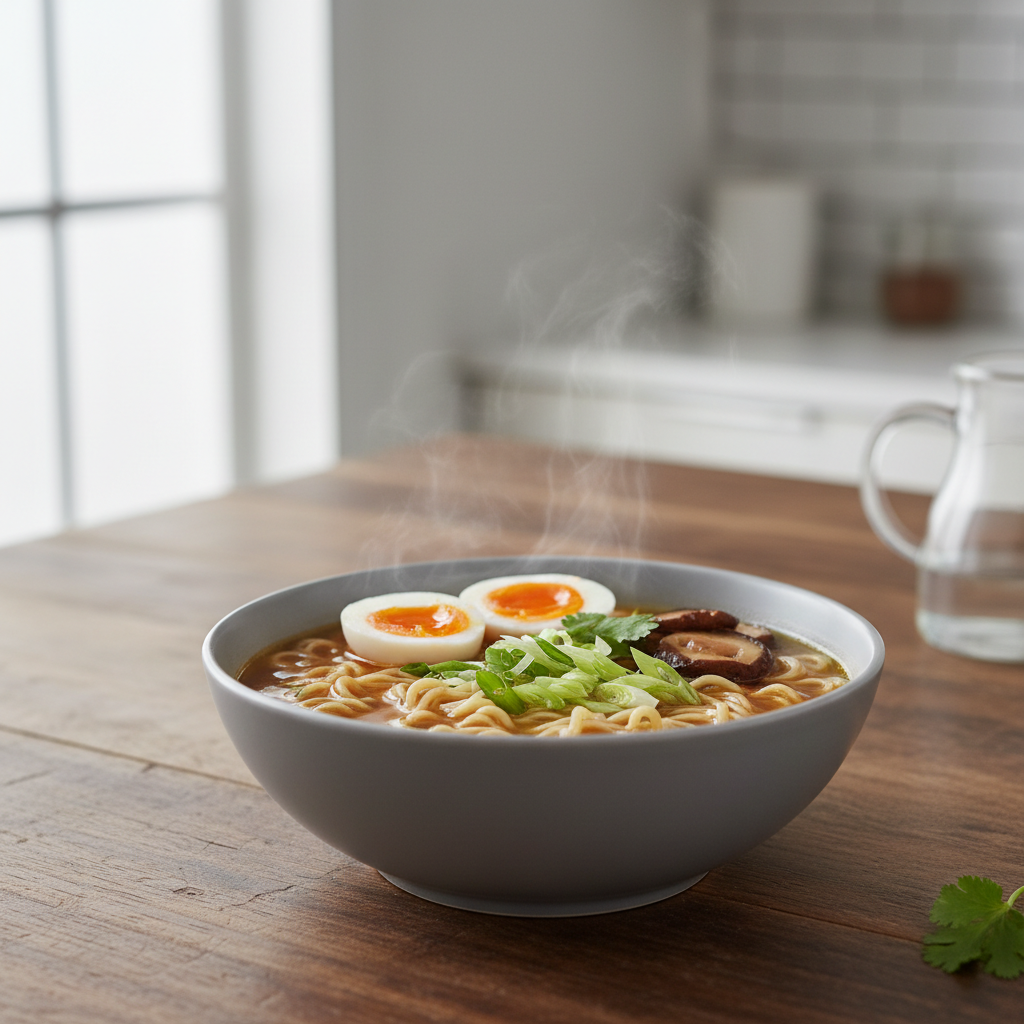
What actually makes ramen “easy” at home
“Easy” ramen usually works when you stop trying to copy a restaurant process and instead focus on three elements you can control: broth flavor, noodle texture, and a topping with salt and fat. Miss one, the whole bowl feels sad.
- Broth flavor: you need depth fast, stock base plus an umami boost usually gets you there.
- Noodle texture: cook separately, rinse only if you must, and serve immediately.
- Salt + fat: many bowls taste bland because the seasoning is timid, or there’s not enough aromatic oil.
One more thing people underestimate: bowls cool quickly, so warming the serving bowl and keeping broth at a simmer buys you a better first bite.
A quick “choose your bowl” checklist (2 minutes)
Before you start, decide what you want tonight, this prevents the common spiral of adding ten things that don’t match.
- Time: 15 minutes, 30 minutes, or 60 minutes?
- Protein: egg, chicken, tofu, pork, or none?
- Broth style: soy-forward, miso, or creamy-ish?
- Heat level: no spice, gentle chili, or spicy?
- Shopping reality: what you already have beats a perfect ingredient list.
If you’re cooking for someone with dietary needs (low sodium, gluten-free, food allergies), it’s smart to adjust early, not at the end, and in specific cases, consider asking a qualified professional for guidance.
3 easy ramen broth paths (pick one)
Most ramen recipes start with broth, so here are three realistic options that scale from “I’m tired” to “I’ve got time.” You can keep toppings simple and still get a strong bowl.
1) Fast umami shoyu (soy) broth, 15–20 minutes
Great when you want clean, savory flavor and minimal work.
- Base: good chicken stock or vegetable stock (store-bought is fine).
- Umami: a small piece of kombu, a pinch of dashi powder, or dried shiitake.
- Season: soy sauce, a touch of mirin or sugar, and garlic/ginger.
- Finish: sesame oil or chili oil right before serving for aroma.
According to USDA Food Safety and Inspection Service, soups and broths should be cooled and refrigerated promptly when storing leftovers, so portioning into shallow containers helps.
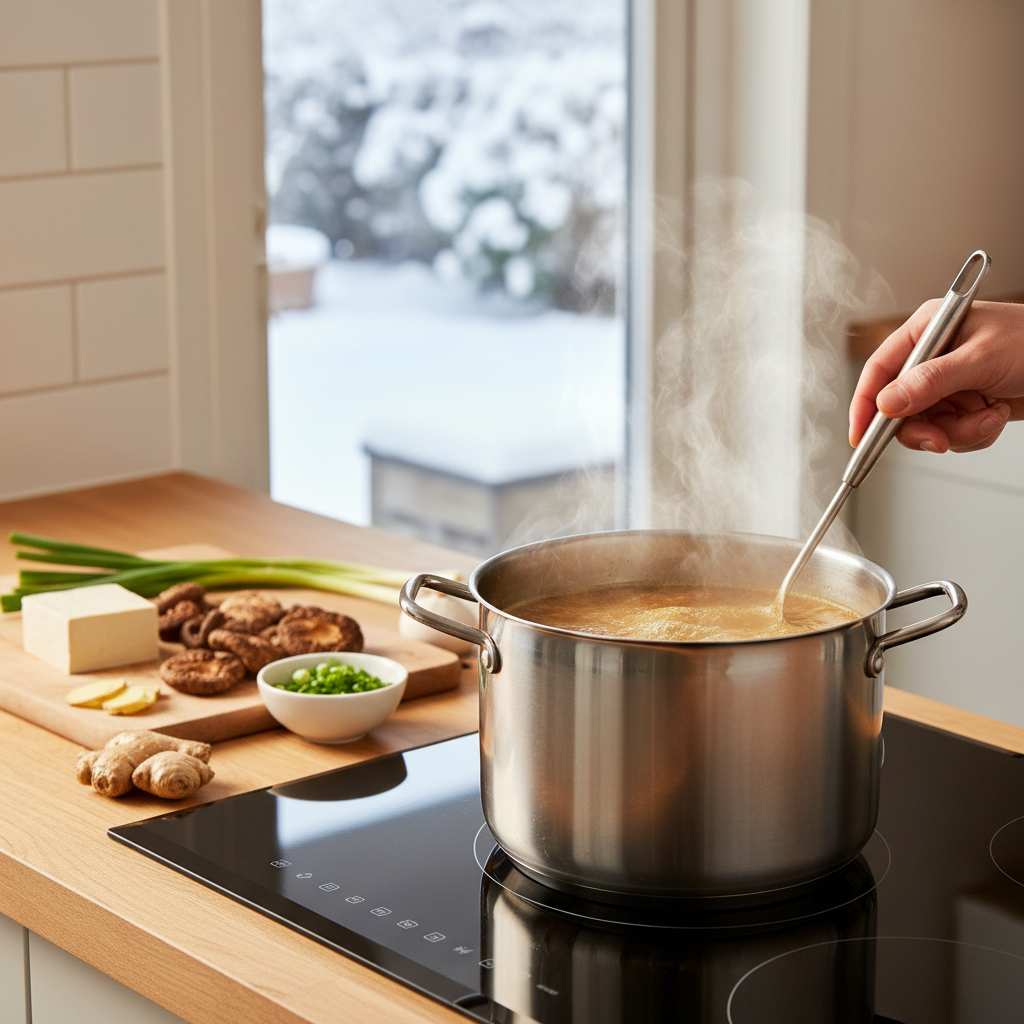
2) Weeknight miso broth, 20–30 minutes
Miso covers a lot of sins, especially when your stock tastes thin.
- Simmer stock with aromatics (garlic, ginger, scallion whites).
- Turn heat low, dissolve miso in a ladle of hot broth, then stir back in.
- Add-ins that fit: corn, mushrooms, bok choy, tofu.
Keep miso below a hard boil, it can dull the flavor and sometimes turn grainy.
3) “Creamy” shortcut broth, 30–45 minutes
If you like richer ramen but don’t want tonkotsu-level commitment, do this instead.
- Start with chicken stock.
- Add a small spoon of tahini or peanut butter, or a splash of unsweetened soy milk.
- Season with soy sauce, a little vinegar for lift, then top with spicy oil.
This one is forgiving, but go slow with thickening ingredients, a little goes a long way.
Noodles and toppings that make the bowl (without turning it into a project)
No matter which broth you choose, the “ramen” feeling usually comes from texture contrast: bouncy noodles, a jammy egg, something crunchy, something green.
Noodles: avoid the two classic mistakes
- Overcooking: pull noodles 30–60 seconds earlier than you think, they keep softening in hot broth.
- Cooking in the broth: it clouds and starchy-thickens everything, cook noodles in a separate pot and drain well.
If you can find fresh ramen noodles, great, if not, dried ramen or even thin wheat noodles work in many situations, you’re aiming for “springy,” not “authentic at all costs.”
Easy topping ideas (pick 2–4)
- Egg: soft-boiled, or even a fried egg in a pinch.
- Quick chicken: rotisserie chicken plus a splash of soy and sesame oil.
- Tofu: pan-seared, then brushed with soy and a little honey.
- Greens: baby spinach, bok choy, napa cabbage, added at the end.
- Crisp factor: scallions, bean sprouts, shredded cabbage, toasted sesame.
- Umami extras: mushrooms, nori, kimchi (especially good with miso).
Core easy ramen recipe (repeatable template)
Here’s a baseline that works for many ramen recipes, treat it like a template and swap the broth path and toppings based on what you have.
Ingredients (2 servings)
- 4 cups chicken or vegetable stock
- 2 servings ramen noodles (fresh or dried)
- 1–2 cloves garlic, minced
- 1 tsp grated ginger (optional but helpful)
- 2–3 tbsp soy sauce (adjust to taste)
- 1–2 tsp sesame oil or chili oil
- Toppings: egg, greens, mushrooms, scallions, whatever you chose
Steps
- Warm your serving bowls with hot water, then empty.
- Simmer stock with garlic and ginger 8–10 minutes, keep it gentle.
- Season with soy sauce, taste, then add a little more only if needed.
- Cook noodles separately, drain well.
- Divide noodles into bowls, ladle broth over, finish with sesame or chili oil.
- Add toppings fast, serve immediately.
Key point: taste broth before noodles go in, once noodles and toppings hit the bowl, fixing seasoning becomes messy and inconsistent.
Make-ahead tips for busy weeks
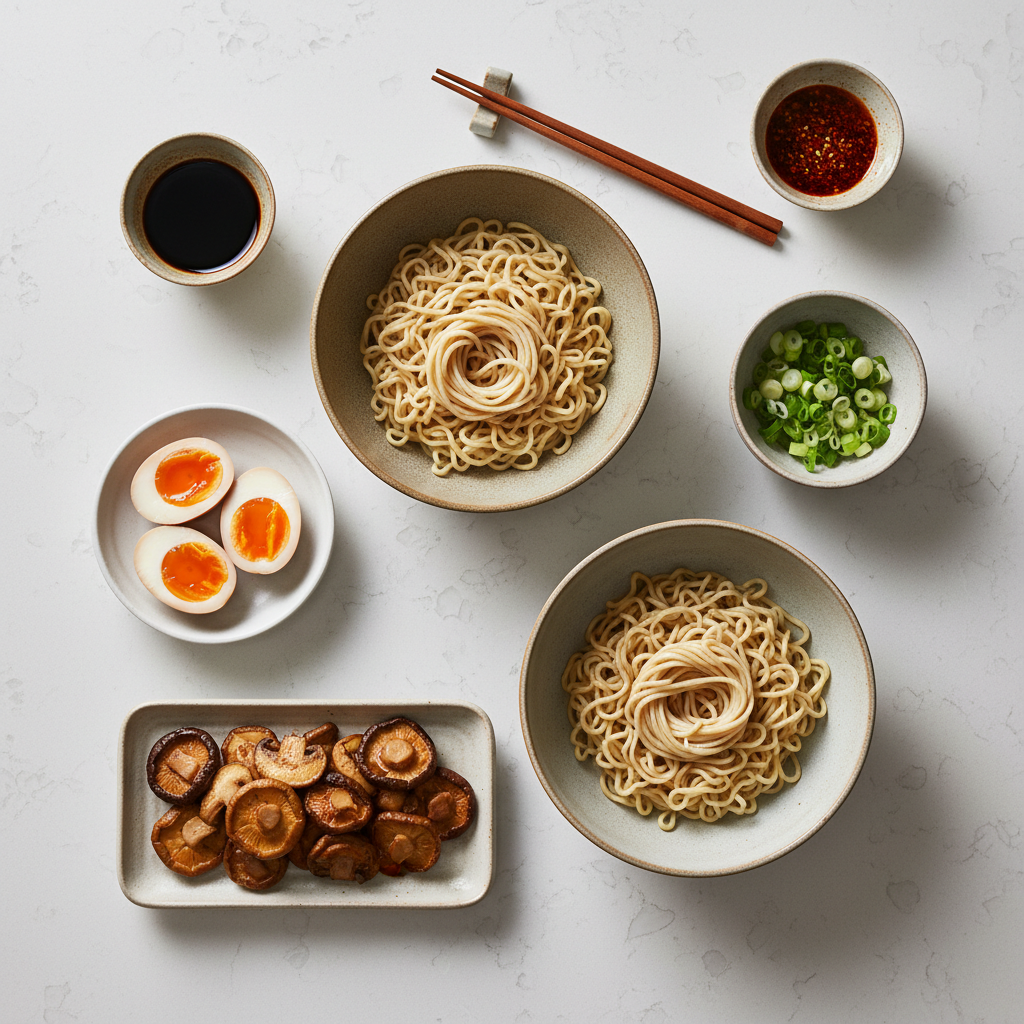
If you want ramen on repeat, prepping one or two components ahead matters more than mastering any single “authentic” technique.
- Broth: make a double batch, chill quickly, refrigerate, then reheat to a simmer.
- Eggs: cook a few, peel, store, then warm briefly in hot water before serving.
- Aromatic oil: warm sesame oil with sliced scallions and a bit of chili, cool, store, drizzle at the end.
- Cut toppings: scallions and mushrooms prepped in containers save real time.
Food safety can vary by ingredient and storage conditions, so if you’re unsure about holding times or cooling, check official guidance. According to FDA, perishable foods should not sit at room temperature for extended periods.
Common ramen mistakes (and what to do instead)
Most “my ramen tastes off” issues come down to a few fixable habits.
- Bland broth: add soy sauce slowly, then add umami like dried mushrooms or a bit of miso, finish with aromatic oil.
- Too salty: dilute with unsalted stock or hot water, then add more toppings to balance.
- Greasy in a bad way: use a smaller amount of a better-tasting oil, not more neutral fat.
- Mushy noodles: cook less, drain, and serve right away, leftovers need separate storage.
- Toppings feel random: choose a theme, shoyu with mushrooms and greens, miso with corn and butter-like richness, spicy with crunchy toppings.
Quick comparison table: choose the best option for tonight
| Goal | Broth choice | Best toppings | Watch-out |
|---|---|---|---|
| Fast and clean | Shoyu umami broth | Egg, scallions, mushrooms | Don’t under-season, finish with oil |
| Cozy and bold | Miso broth | Corn, greens, tofu | Keep below hard boil after miso |
| Rich without the wait | Creamy shortcut | Chicken, chili oil, bok choy | Add thickener slowly to avoid pasty texture |
Conclusion: keep ramen simple, then make it yours
Good ramen recipes at home usually come from repeating one solid template, then adjusting one variable at a time, broth depth, noodle timing, or a topping you really like. If you want an easy win tonight, pick the shoyu broth, add a soft-boiled egg, finish with sesame oil, and serve fast while everything stays hot.
Action ideas: choose one broth path to practice this week, and prep one make-ahead component so the next bowl feels almost effortless.
FAQ
What are the easiest ramen recipes for beginners?
Shoyu and miso bowls tend to be the most forgiving, you can use good store-bought stock, build flavor with garlic and ginger, then finish with soy sauce or miso plus a little aromatic oil.
Can I use instant ramen noodles for homemade ramen?
Yes, many people do, just skip or reduce the seasoning packet and treat the noodles like a base, the broth and toppings carry the quality. Cook the noodles a touch under so they stay springy in the bowl.
How do I make ramen broth taste richer without cooking all day?
Add a quick umami source such as dried shiitake, a small piece of kombu, or a small spoon of miso, then finish with sesame or chili oil. That last drizzle often changes the aroma more than you expect.
Why does my homemade ramen taste bland?
Usually it’s a seasoning problem, not a “missing ingredient” problem, taste the broth before serving and adjust salt, umami, and a bit of fat. If you’re limiting sodium, consider talking with a professional for tailored advice.
Should I rinse ramen noodles after cooking?
Most of the time, no, rinsing cools them and washes off surface starch that can help broth cling. Rinse only if the noodles are extremely starchy or you’re using them cold.
What toppings work best when I’m short on time?
Rotisserie chicken, a soft-boiled egg, baby spinach, scallions, and toasted sesame are the fastest “tastes like ramen” combo, nothing fancy, but it hits the right notes.
How do I store leftover ramen?
Store broth, noodles, and toppings separately, then reheat broth to a simmer and add fresh-cooked noodles if possible. Mixed leftovers often turn the noodles mushy and the broth cloudy.
If you’re trying to make ramen part of your weekly routine, it helps to keep one dependable broth style and a short topping list on rotation, you’ll waste less and your bowls get better without extra effort.