
Butternut squash soup can be healthy, but it depends on what you roast into it, what you blend in for creaminess, and how you finish the bowl.
If you’ve ever made it and thought “this is kind of sweet” or “why does it taste flat,” you’re not alone. A lot of recipes lean hard on cream or sugar-adjacent flavors, then try to fix it with salt at the end. Roasting, smart acids, and the right add-ins usually solve most of that.
This guide breaks down what actually makes a roasted version feel satisfying, how to keep it lighter without tasting like diet food, and how to adjust it for common needs like dairy-free, higher protein, or lower sodium.
What “healthy” usually means for butternut squash soup
Healthy isn’t one fixed target, it’s more like a set of trade-offs. For most people in the U.S., a “healthier” butternut squash soup recipe tends to mean less added saturated fat and sugar, more fiber, and ingredients that feel filling without being heavy.
According to USDA FoodData Central, butternut squash is naturally rich in nutrients like vitamin A (as carotenoids) and provides fiber, which is part of why this soup can be a solid staple when built well.
- Better fats, not no fat: a little olive oil helps flavor and satiety, but you can skip heavy cream and still get a creamy texture.
- Flavor without a salt spiral: roasting and acid (lemon or vinegar) can lift flavor so you don’t chase it with more sodium.
- Balanced bowl: squash brings carbs and fiber, but adding protein or topping smartly keeps it from feeling like “orange baby food.”
Why roasting changes everything (and how it keeps flavor strong)
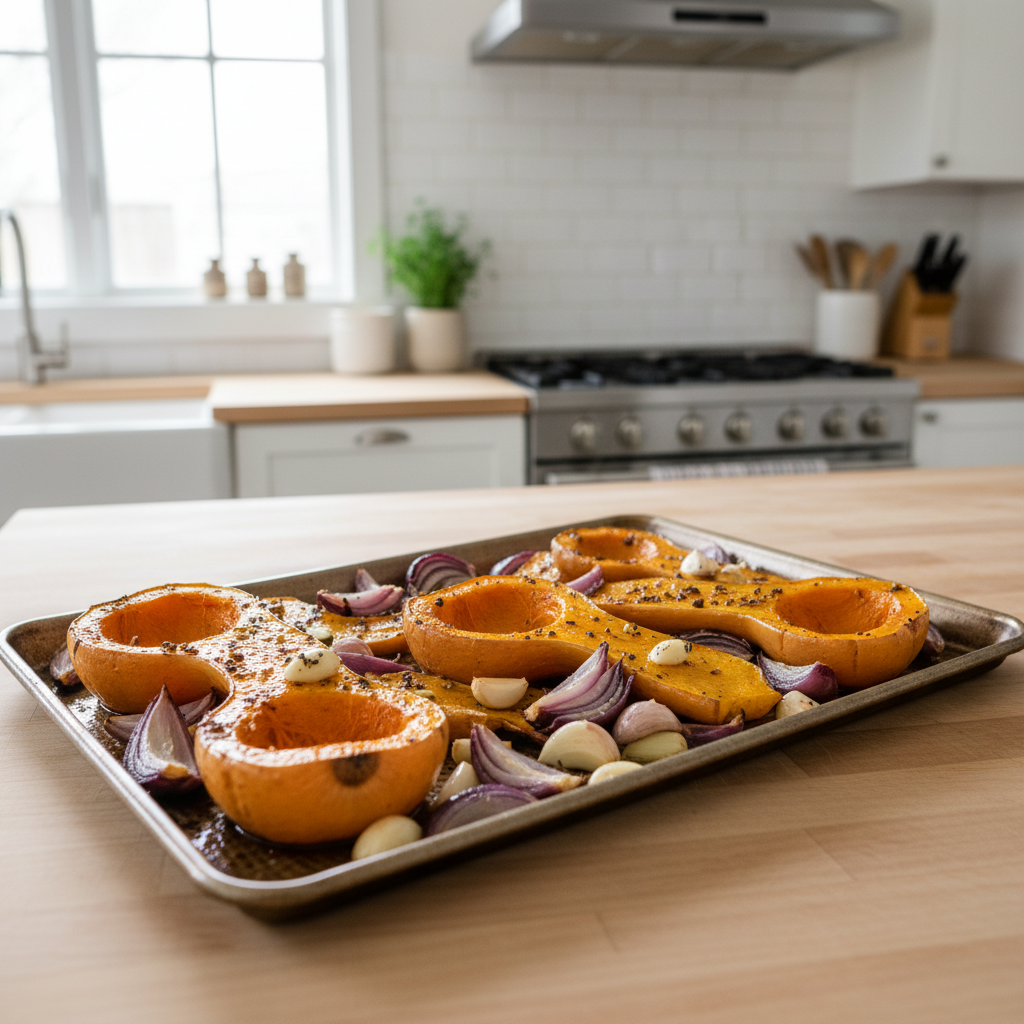
Roasting is the difference between “fine” and “I’d make this again.” When squash and aromatics roast, you get deeper, toasted notes and less watery vegetable flavor. It also reduces the need for extra sweeteners because the natural sweetness becomes rounder, not sugary.
What to roast with the squash, most of the time:
- Yellow onion or shallot (adds savory backbone)
- Garlic cloves (sweet, mellow aroma after roasting)
- Carrot (optional, but helps body)
- A small knob of fresh ginger (optional, adds warmth)
One practical tip people skip: roast until you see browning, not just until it’s soft. That light caramelization is where the “restaurant” flavor comes from.
Quick self-check: which soup problem are you trying to fix?
Before you tweak a recipe, name the issue. Different fixes work for different problems, and guessing tends to lead to more salt, more cream, and still not loving it.
- Tastes too sweet: needs acid, bitter balance, or more savory base.
- Tastes flat: likely under-roasted vegetables, not enough aromatics, or missing acid at the end.
- Too thin: needs more roasted squash, less broth, or a thickener like white beans.
- Too heavy: too much cream/coconut milk, or too much oil; balance with broth and brightness.
- Not filling enough: needs protein or a hearty topping strategy.
A healthier roasted butternut squash soup method (step-by-step)
This is a method more than a rigid recipe, because squash size, ovens, and broth salt levels vary a lot. Use it once, then adjust.
Core ingredients (flexible)
- Butternut squash (about 2 to 3 lb)
- 1 onion, peeled and quartered
- 3 to 6 garlic cloves, peeled
- Olive oil (small amount, typically 1 to 2 tbsp)
- Low-sodium vegetable or chicken broth
- Spices: black pepper, smoked paprika or cumin (optional), thyme or sage
- Acid to finish: lemon juice or apple cider vinegar
Steps
- Roast: Halve squash, scoop seeds, rub cut sides with a thin layer of oil, roast cut-side down with onion and garlic at ~400°F until browned and very tender.
- Scoop and simmer: Scoop flesh into a pot, add roasted onion/garlic, cover with broth just until it barely floats, simmer 8 to 12 minutes.
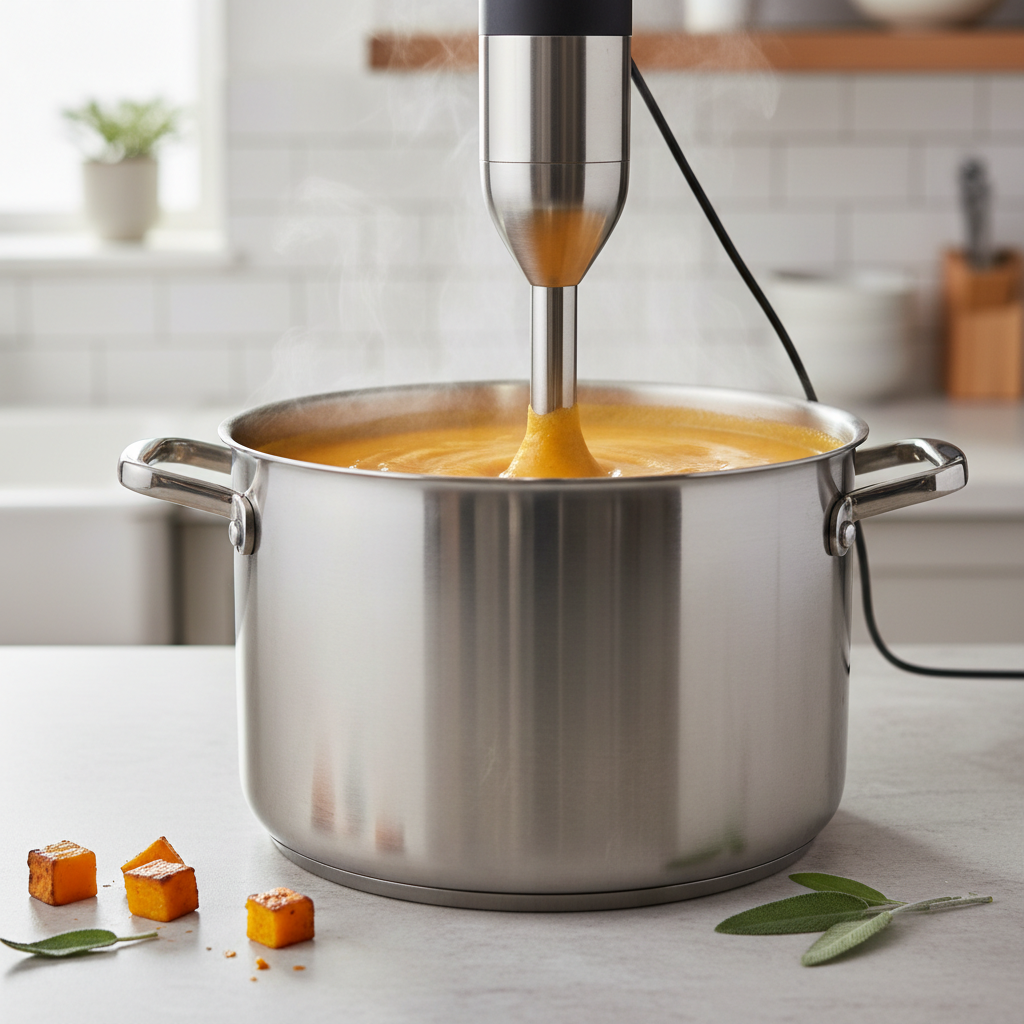
- Blend: Use an immersion blender or countertop blender. If using a blender, vent carefully and blend in batches to avoid hot-soup blowouts.
- Adjust texture: Add broth to thin, or simmer to thicken. Don’t “fix” thickness with lots of cream as the first move.
- Finish: Add lemon juice or vinegar, then salt gradually. This order matters more than most people think.
Key point: if you want a creamy mouthfeel without dairy, blend longer than you think you need. A full extra 30–60 seconds often makes the soup feel richer.
Smart swaps for common diets (without wrecking taste)
There are plenty of “healthy” variations, but some swaps taste great and others feel like punishment. Here are the ones that typically work in real kitchens.
Dairy-free
- Use white beans (cannellini) blended in for creaminess and a little protein.
- If using coconut milk, go light, and balance sweetness with lime or vinegar.
Higher protein
- Blend in white beans or red lentils (cook lentils directly in the simmer step).
- Top with shredded chicken, turkey sausage crumbles, or Greek yogurt if dairy works for you.
Lower sodium
- Choose low-sodium broth, then build flavor with roasting, herbs, and acid.
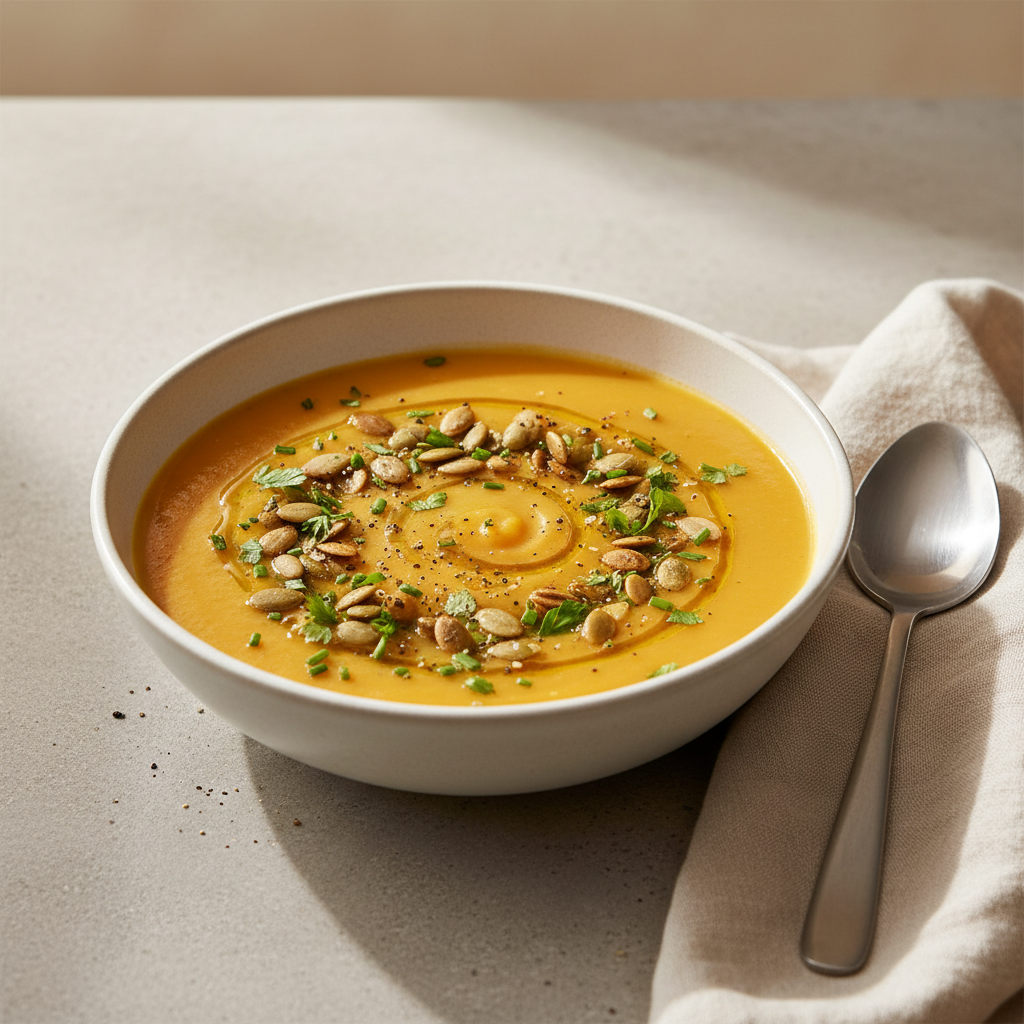
- Finish with toasted pumpkin seeds and black pepper for “big flavor” without extra salt.
Lower calorie (without feeling watery)
- Keep oil modest, skip heavy cream, and thicken with beans instead of dairy.
- Use a smaller amount of broth up front, thin later only if needed.
Flavor boosters and toppings that keep it healthy
The easiest way to make butternut squash soup craveable is to treat toppings like part of the recipe, not decoration. You’re adding contrast, crunch, and a little salt in a controlled way.
- Crunch: toasted pepitas, roasted chickpeas, seeded granola (savory), whole-grain croutons
- Fresh: chopped chives, parsley, or cilantro; a small handful of arugula on top
- Acid: lemon zest, a few drops of sherry vinegar, or quick-pickled onions
- Heat: chili flakes, hot sauce, or a small swirl of chili oil
One thing that surprises people: acid makes the soup taste more savory, even though it’s a tiny amount. It’s usually the cleanest fix for “why is this so sweet?”
Nutrition-minded add-ins: a quick comparison table
Exact nutrition varies by brand and portion size, so treat this as a practical decision table, not a promise. If you track macros or have medical needs, it may help to run your final recipe through a nutrition calculator and check with a professional.
| Add-in | What it helps with | What to watch | Best use |
|---|---|---|---|
| Greek yogurt (swirl) | Protein, creamy finish | Dairy tolerance, tang level | After blending, off heat |
| White beans (blended) | Creaminess, fiber, protein | Can mute flavor if overused | Blend 1/2–1 cup into pot |
| Red lentils | Protein, thicker body | Earthy taste, needs seasoning | Simmer 10–15 minutes |
| Coconut milk | Rich texture, dairy-free | Can make soup sweeter/heavier | Small splash + extra acid |
| Olive oil (finish) | Mouthfeel, aroma | Easy to overdo | Teaspoon drizzle per bowl |
Common mistakes that make “healthy” soup taste worse
- Under-roasting: soft squash isn’t the goal, browned edges are.
- Adding all the broth at once: it’s easier to thin than to fix watery soup.
- Using sweet spices without balance: cinnamon can be nice, but it can push the soup into dessert territory fast.
- Skipping the finish: a little acid and pepper at the end often matters more than extra salt.
- Overloading “healthy” add-ins: too many swaps at once makes it hard to know what worked.
Key takeaways and an easy action plan
If you want roasted butternut squash soup that stays on the healthy side, prioritize deep roasting, use broth strategically, then finish with acid and a topping that adds contrast. That combination usually beats any single “secret ingredient.”
- Next time you cook: roast until browned, then blend longer for natural creaminess.
- Next time you taste: add a small squeeze of lemon before adding more salt.
If you’re building a weekly meal prep routine, this soup also freezes well, just keep toppings separate and add them when reheating so the bowl still feels fresh.
FAQ
Is butternut squash soup healthy for weight loss?
It can be, especially when it’s broth-based and thickened with squash or beans instead of lots of cream. Portion size and toppings matter, and if you have specific goals, a dietitian can help tailor it.
How do I make roasted butternut squash soup creamy without heavy cream?
Blend thoroughly, start with less broth, and consider blending in white beans or a small amount of Greek yogurt at the end. Those options often give a creamy texture without the same heaviness.
Why does my butternut squash soup taste too sweet?
Squash sweetness comes forward when the soup lacks acid or savory depth. A splash of lemon juice or vinegar plus more roasted onion/garlic usually brings it back into balance.
What herbs and spices go best with butternut squash soup?
Sage, thyme, black pepper, smoked paprika, and cumin are common picks. If you add warming spices like cinnamon, keep it subtle and plan to finish with acid so it stays savory.
Can I make butternut squash soup ahead of time?
Yes, the flavor often improves after a night in the fridge. Reheat gently, then re-check salt and add a fresh squeeze of lemon right before serving.
Is butternut squash soup good for people with diabetes?
It may fit, but carbohydrate needs vary a lot by person. Many people do better pairing it with protein and fiber-rich toppings, but it’s smart to ask a clinician or dietitian for individualized guidance.
How long does butternut squash soup last in the fridge or freezer?
Many home cooks keep it refrigerated for a few days and freeze it longer, but storage time depends on temperature control and ingredients. When in doubt, follow USDA food safety guidance and use your best judgment.
If you’re trying to get butternut squash soup into a reliable weeknight rotation, build one “base” batch you like, then change only one thing each time, maybe beans for creaminess, or pepitas for crunch, it keeps the soup interesting without turning dinner into a science project.