
Grilled cheese gets a bad rap for one reason: it’s easy to end up with pale bread, oily patches, or cheese that melts too late. The good news is you don’t need fancy gear, you need better heat control, smarter fat choices, and a quick build that actually crisps.
If you want that shattery, golden exterior and a molten center, this guide walks through what usually goes wrong, what to change, and a handful of recipes that work in real home kitchens, including cast iron, nonstick, and griddle setups.
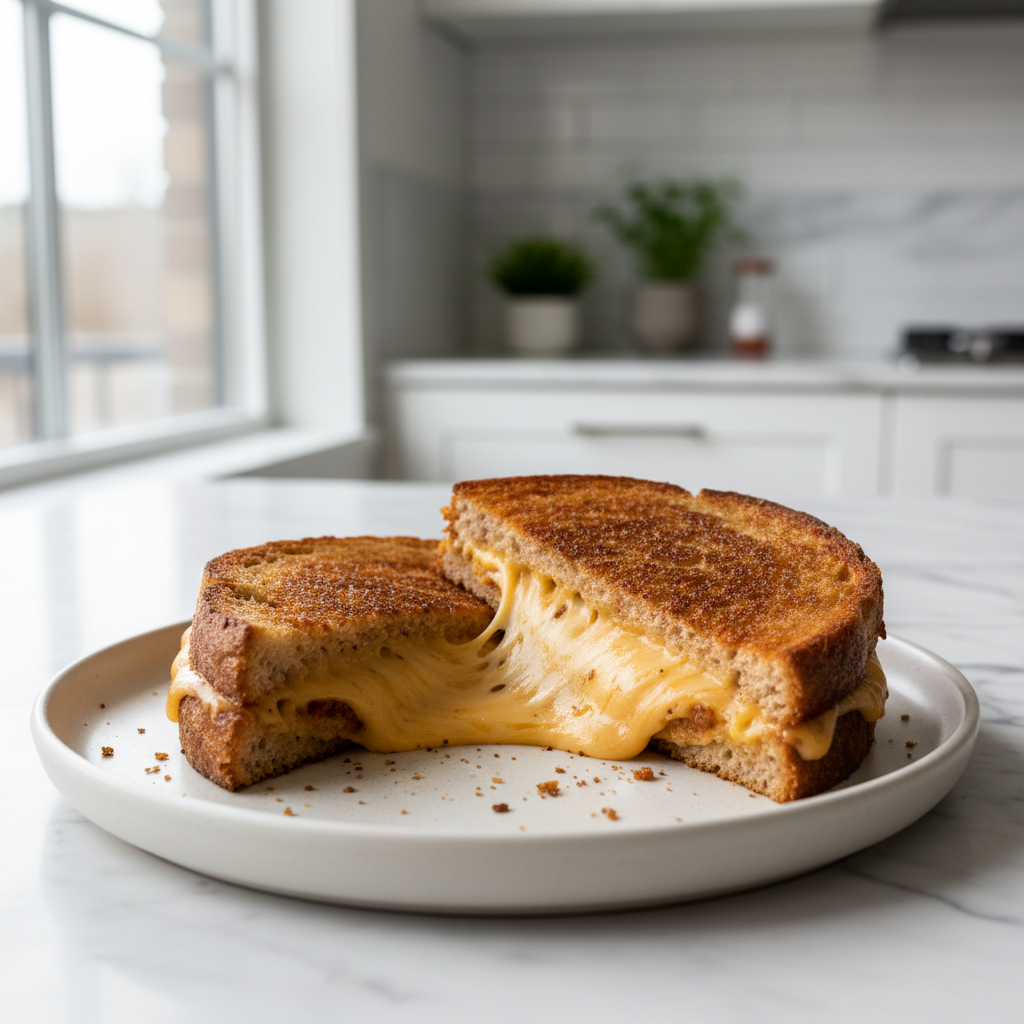
One quick note before recipes: “crispy” comes more from the outside layer than the filling. Once you nail the crust, you can riff on cheeses, add-ins, and breads without losing the crunch.
What actually makes grilled cheese crispy
The crisp comes from steady browning, not blasting the pan on high and hoping for the best. A few variables matter more than people think.
- Even contact: full bread-to-pan contact creates uniform browning, a slightly warped slice can ruin the finish.
- Moderate heat: low-to-medium heat gives the bread time to toast while the cheese melts, high heat browns fast but leaves the center behind.
- Right fat in the right place: butter, mayo, or oil changes browning speed and flavor, spreading a thin layer on the bread is usually more consistent than melting a chunk in the pan.
- Moisture control: watery add-ins or very fresh bread can steam the interior, stealing crisp.
According to the USDA, hot foods should be kept at safe temperatures and cooked on clean surfaces, so if you add meats or leftovers, warm them properly and avoid letting dairy sit out for long periods.
A quick “why is mine not crispy?” checklist
If your sandwich keeps turning out soft, scan this list, most kitchens have one culprit that repeats.
- Bread browns before cheese melts, your heat runs too high or your cheese is too thick.
- Cheese melts but bread stays pale, pan may be too cool or fat layer too thin.
- Outside gets greasy, you’re using too much butter or adding fat to both pan and bread.
- Center feels steamy, you added tomatoes, pickles, or sautéed mushrooms without drying them.
- One side burns, pan has hot spots or you’re not pressing gently for full contact.
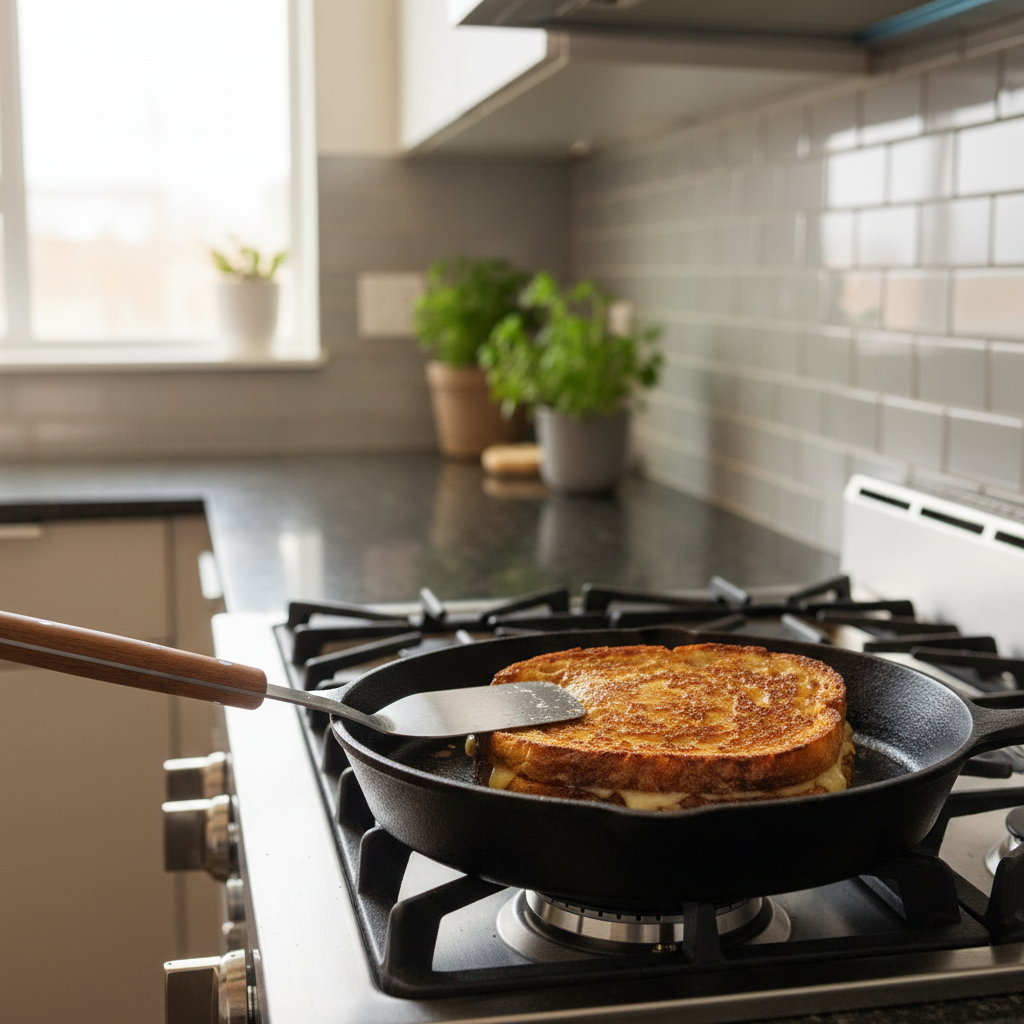
If you fix only one thing, fix heat. Most “meh” grilled cheese happens because the pan is too hot early, then people back off too late.
Ingredient choices that give you crunch (without dryness)
Bread: pick structure over softness
Soft sandwich bread can work, but it’s less forgiving. For consistent crisp, look for slices with a bit of chew and a tighter crumb.
- Best all-around: sourdough, country loaf, sturdy white bread
- Great for extra crunch: rye, ciabatta (pre-sliced), Texas toast
- Tricky: brioche (browns fast), very fresh bakery bread (more moisture)
Cheese: blend for melt + pull
A single cheese can feel flat. A blend usually melts smoother and tastes “bigger” without adding more volume.
- For classic melt: American cheese, young cheddar, Monterey Jack
- For flavor: sharp cheddar, Gruyère, provolone
- Use sparingly: Parmesan or pecorino as an exterior “frico” layer, or a small amount inside
According to the FDA, keep perishable foods like cheese refrigerated and follow package guidance for storage, especially if you prep ingredients ahead.
Butter vs mayo vs oil (quick comparison table)
| Fat | Flavor | Crisp potential | Common pitfall |
|---|---|---|---|
| Butter | Classic, rich | High | Can burn if pan runs hot |
| Mayo | Neutral to tangy | Very high | Too thick can taste heavy |
| Olive oil | Fruity | Medium-high | Easy to overdo, can feel oily |
The core method: a repeatable crispy grilled cheese
This is the baseline. Once it feels automatic, every recipe becomes easier.
- Preheat the pan on low-medium for 2–3 minutes, you want steady heat, not smoking.
- Spread a thin, even layer of butter or mayo on the outside of both slices.
- Build with intention: cheese goes near the bread on both sides, any add-ins go in the middle so the cheese “glues” and insulates.
- Cook covered for the first half if cheese struggles to melt, a lid traps gentle heat and reduces the urge to crank the burner.
- Flip once, press lightly with a spatula for 5–10 seconds, then stop pressing so you don’t squeeze fat out.
- Rest 1 minute before cutting, it keeps the inside molten without sliding apart.
Key point: if the bread browns too fast, lower heat and give it time, chasing speed is how you lose crunch.
Crispy grilled cheese recipes (6 reliable variations)
Each recipe keeps the same method, the add-ins change. For a weeknight rhythm, prep cheese blends and dry add-ins ahead.
1) The diner-style classic (extra crispy)
- Bread: sturdy white or sourdough
- Cheese: American + mild cheddar
- Pro move: sprinkle a tablespoon of shredded cheddar onto the pan, set the sandwich on top so the cheese crisps into a lacy edge
2) Sharp cheddar + caramelized onion
- Cheese: sharp cheddar + a little Jack for melt
- Add-in: caramelized onions, well-drained and not wet
- Tip: onions can soften crust if piled thick, keep it thin, think “accent,” not “filling”
3) Jalapeño popper vibe (without the mess)
- Cheese: cheddar + cream cheese (thin smear)
- Add-in: pickled jalapeños, patted dry
- Optional: bacon bits, pre-cooked and warmed
4) Tomato-basil melt (crisp-first strategy)
- Cheese: mozzarella + provolone
- Add-in: thin tomato slices, salted and patted dry
- Tip: cook the first side a touch longer than usual, tomatoes add steam once the sandwich flips
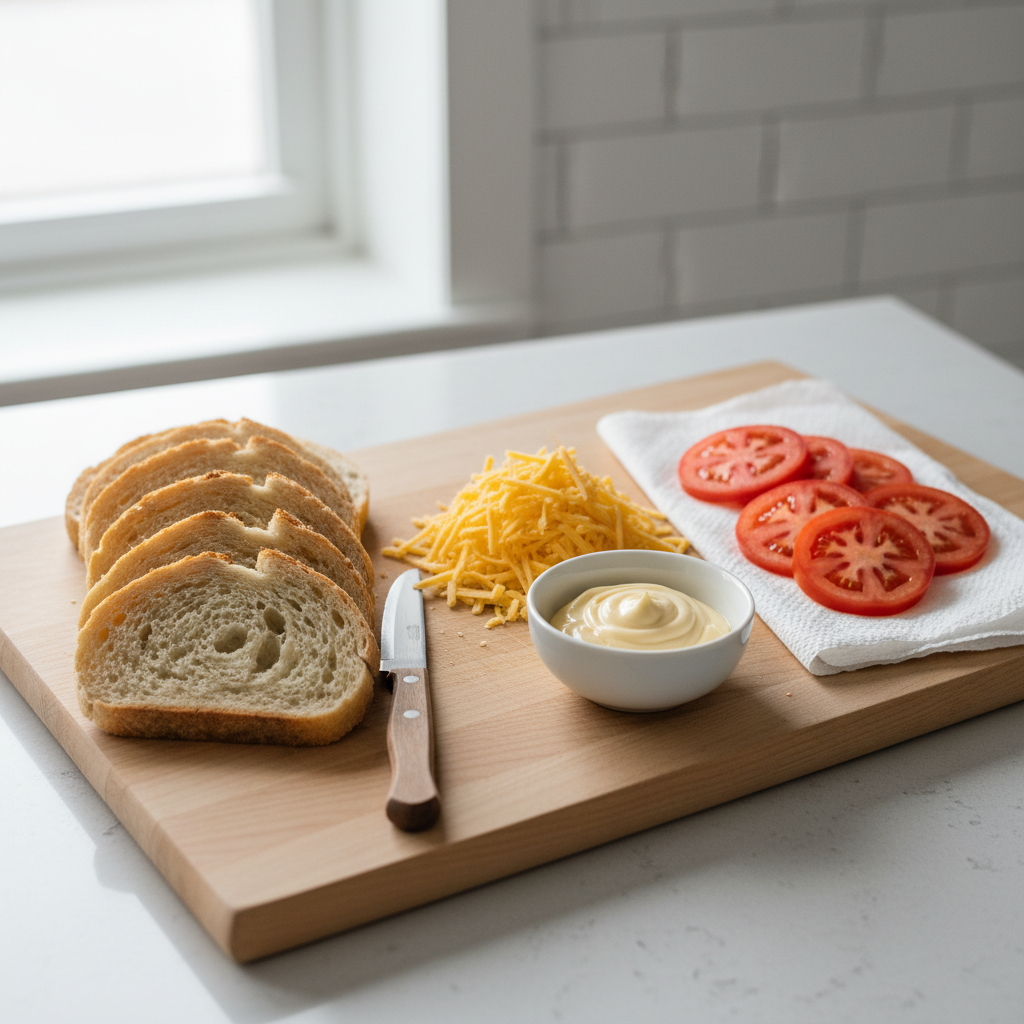
5) Turkey + Swiss “hot sandwich” style
- Cheese: Swiss + a little American for melt insurance
- Add-in: deli turkey, warmed briefly in the pan so it doesn’t chill the center
- Tip: keep mustard inside minimal, too much liquid reduces crisp
6) Garlic Parmesan crust (for maximum crunch)
- Outside: butter mixed with a pinch of garlic powder
- Pan move: sprinkle a thin layer of Parmesan in the pan before laying down the sandwich
- Cheese: provolone + mozzarella
Reality check: Parmesan crust can stick if your pan runs too cool, let it crisp before you try to move it.
Practical tips: gear, timing, and batch cooking
Pan choice
- Cast iron: holds heat well, great for even browning, needs a little attention to prevent sticking.
- Nonstick: easiest for beginners, watch heat to avoid scorching coatings.
- Griddle: best for multiple sandwiches, gives consistent results if preheated long enough.
Heat management that actually works
- If the outside finishes early, reduce heat and cover for 30–60 seconds to finish melting.
- If cheese refuses to melt, grate it or use thinner slices, thick slabs melt slower than people expect.
- If you want ultra-crisp without burning, toast slower, then finish with 15–20 seconds slightly hotter.
Make-ahead and hosting
For a crowd, assemble sandwiches, then cook to about 80% crisp and hold in a 200°F oven for a short time. Many ovens vary, so keep an eye on browning and consider a wire rack so steam does not soften the bottom.
Common mistakes (and what to do instead)
- Piling on fillings: it turns into a steamed panini, keep add-ins thin and dry.
- Pressing hard the whole time: you squeeze out fat and flatten the crumb, press briefly for contact, then let it toast.
- Using cold cheese straight from the fridge: it still works, but melting takes longer, grated cheese helps, so does a lid.
- Skipping the rest: slicing immediately can dump the center, wait a minute, it pays off.
Key takeaways for consistently crispy results
- Moderate heat beats high heat, especially for thicker bread.
- Thin, even fat layer on the bread gives the most predictable browning.
- Cheese near the bread improves melt and structure, add-ins stay in the middle.
- Dry wet ingredients like tomatoes or pickles before adding.
Conclusion: make one change, then start riffing
If your grilled cheese has been hit-or-miss, don’t overhaul everything at once, start with heat control and a thinner, more even fat layer, you’ll usually see the biggest jump in crisp right away.
Pick one recipe above, cook it twice, and take notes on your stove’s “sweet spot.” Once you know that setting, the crunchy exterior becomes the default, not the lucky outcome.
FAQ
- How do I make grilled cheese crispy without burning it?
Keep the pan at low-medium and give it time, if the bread browns too quickly, lower heat and cover briefly so the cheese catches up. - Is mayo better than butter for a crispy crust?
Mayo often browns more evenly because it spreads thin, but butter tastes more classic, either works if you keep the layer light. - What’s the best cheese for grilled cheese that melts smoothly?
American or Monterey Jack melts reliably, then you can blend in sharper cheeses for flavor without losing melt. - Why is my grilled cheese soggy in the middle?
Usually moisture from add-ins or too much filling, dry ingredients like tomatoes, keep layers thin, and rest the sandwich before cutting. - Can I make crispy grilled cheese in an air fryer?
Many people do, but results vary by model, you may need to secure the bread and check early, because airflow can brown fast while the center lags. - How do I cook grilled cheese for a crowd and keep it crisp?
Partially crisp them in a pan, then hold briefly on a wire rack in a low oven, stacking traps steam and softens the crust.
If you want an easier routine, set up a small “grilled cheese station” with a cheese blend, a dry add-in, and one reliable bread, it keeps decisions simple and makes weeknight sandwiches feel less random.