
Olive oil cooking gets confusing fast when you hear “don’t heat it,” “only use extra virgin,” and “it turns toxic” all in the same week.
If you cook at home in the U.S., olive oil is probably already on your counter, so the real question is how to use it with less guesswork: which type to buy, when to turn the heat down, and how to keep meals both tasty and sensible.
This guide focuses on practical kitchen decisions, not perfection, and it’s written for real life: busy weeknights, a couple of go-to pans, and recipes that don’t come with lab-grade temperature controls.
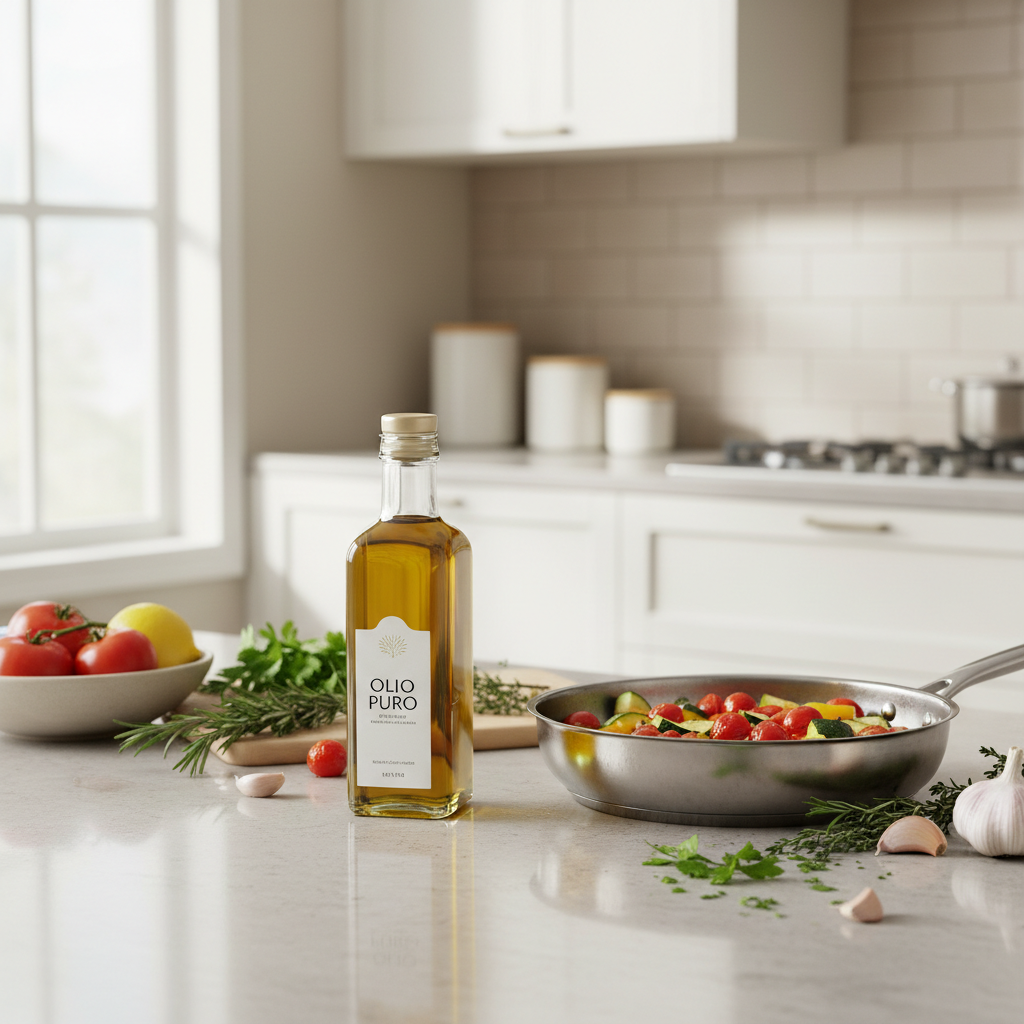
What “healthy” means for olive oil in a hot pan
Most people mean two things by “healthy”: keeping the flavor and beneficial compounds as intact as reasonably possible, and avoiding overheating that leads to burnt aromas and harsher byproducts.
Olive oil is rich in monounsaturated fat, and it also carries antioxidants (especially in extra virgin). Heat and time reduce some of those antioxidants, so the “healthiest” choice often looks like appropriate heat + reasonable cook time + the right oil type, not a total ban on cooking with it.
According to the American Heart Association, replacing saturated fats with unsaturated fats (like olive oil) can support heart health as part of an overall dietary pattern. That doesn’t make olive oil a free pass, but it helps frame why it’s widely recommended.
Choose the right olive oil for the job (extra virgin vs. refined)
One common mistake is treating every bottle labeled “olive oil” as identical. In practice, the label hints at how the oil was processed and how it behaves with heat.
Quick guide to types you’ll see in U.S. stores
- Extra virgin olive oil (EVOO): more flavor, typically more antioxidants, great for low-to-medium heat, finishing, dressings, and quick sautés.
- Virgin olive oil: similar direction as EVOO, often slightly less robust in flavor/quality; still fine for everyday cooking.
- “Olive oil” or “Pure olive oil”: usually refined with some virgin oil blended in, milder flavor, often better suited to higher-heat applications.
- Light olive oil: “light” refers to flavor/color, not calories; commonly refined and neutral, often used for baking or higher heat when you don’t want olive taste.
If your cooking style leans toward high heat (searing, heavy stir-fry, cast iron), keeping a refined olive oil around can be the simplest move, while saving EVOO for where it shines.
Heat, smoke point, and why people burn olive oil
When olive oil smokes, the food usually tastes bitter and the kitchen smells sharp, that’s your cue you’ve gone past a comfortable zone. Smoke point matters, but it’s not the only factor; pan material, burner strength, and how long the empty pan heats all change the outcome.
According to the USDA, fats and oils have characteristic smoke points and heating an oil beyond its smoke point can degrade quality. In a home kitchen, the practical takeaway is simple: don’t preheat a dry pan forever and then add oil, especially with EVOO.
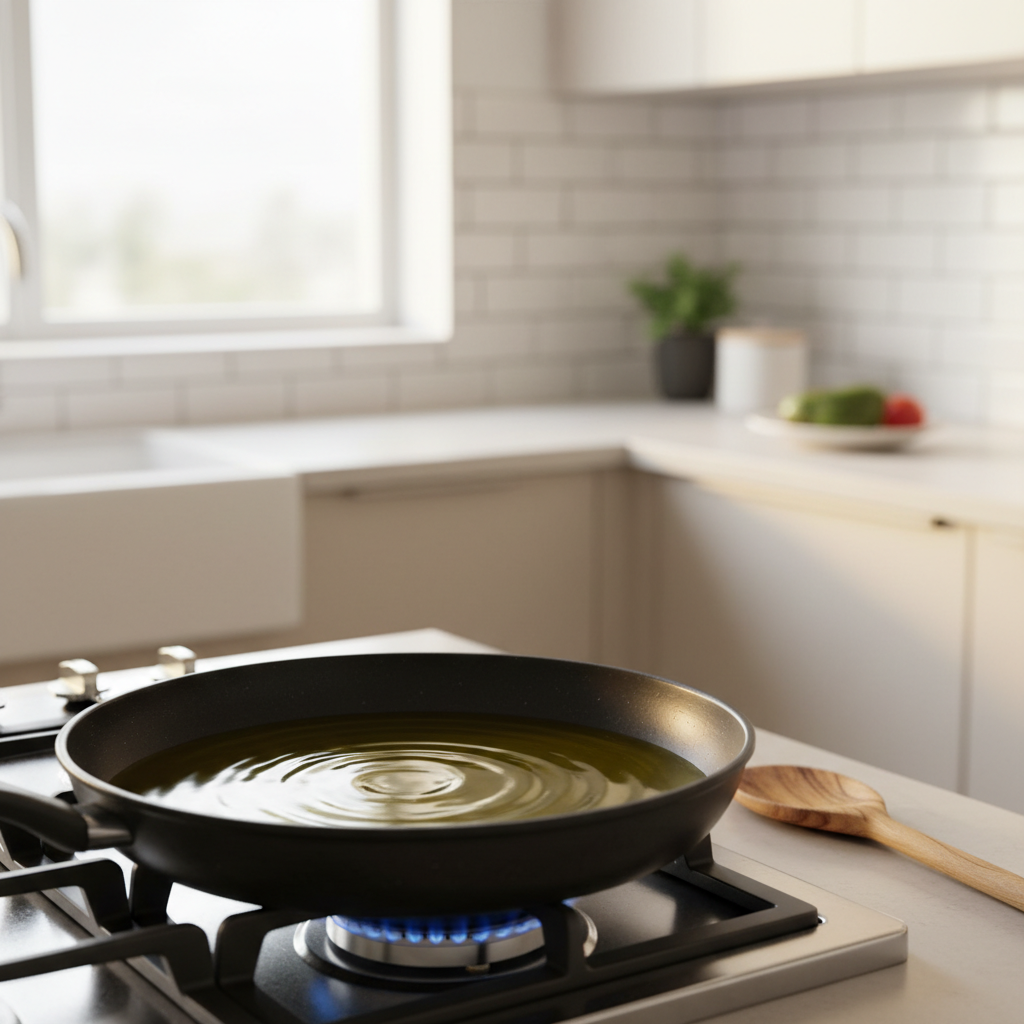
Smarter heat habits that prevent that “burnt oil” moment
- Heat the pan briefly, add oil, then add food soon after; don’t let oil sit and smoke.
- For sautéing, stay around medium to medium-high depending on your stove; if the oil starts to haze aggressively, dial it down.
- Use enough oil to lightly coat the surface; too little heats unevenly and burns faster.
- If you need a hard sear, consider refined olive oil, avocado oil, or another higher-heat fat, then finish with EVOO off heat for flavor.
A quick self-check: which olive oil cooking style fits you?
Before you change what you buy, it helps to name what you actually do on weeknights. Most frustrations come from using one oil for every task.
- You mostly sauté, roast vegetables, cook eggs, make pasta → EVOO can cover most needs if you keep heat moderate and cook times reasonable.
- You often sear steaks, blacken fish, use cast iron very hot → keep refined olive oil (or another high-heat oil) for the first phase, EVOO for finishing.
- You want zero olive flavor in baking → “light”/refined olive oil works well; EVOO can be too bold in some cakes.
- You keep burning oil → your burner may run hot, your pan may be thin, or you preheat too long; switching oil types helps, but technique usually fixes more.
If you have a medical condition requiring fat restriction, or you’re tracking calories closely, it may be worth asking a registered dietitian how olive oil fits your specific plan.
Practical ways to cook with olive oil (by scenario)
This is the part most people want: what to do, not what to debate. These approaches keep olive oil cooking simple and repeatable.
Everyday sauté (veggies, aromatics, chicken pieces)
- Start with medium heat, add oil, then onions/garlic quickly so the oil doesn’t overheat alone.
- If garlic browns fast, your heat is too high; burnt garlic can make you blame the oil.
- Use EVOO when you want flavor, refined olive oil when you want neutrality.
Roasting in the oven
- Toss vegetables with oil and salt before the oven; the water in veggies slows scorching.
- For very high temps (like 450°F+), refined olive oil often feels more forgiving, though many home cooks still use EVOO successfully depending on the brand and oven behavior.
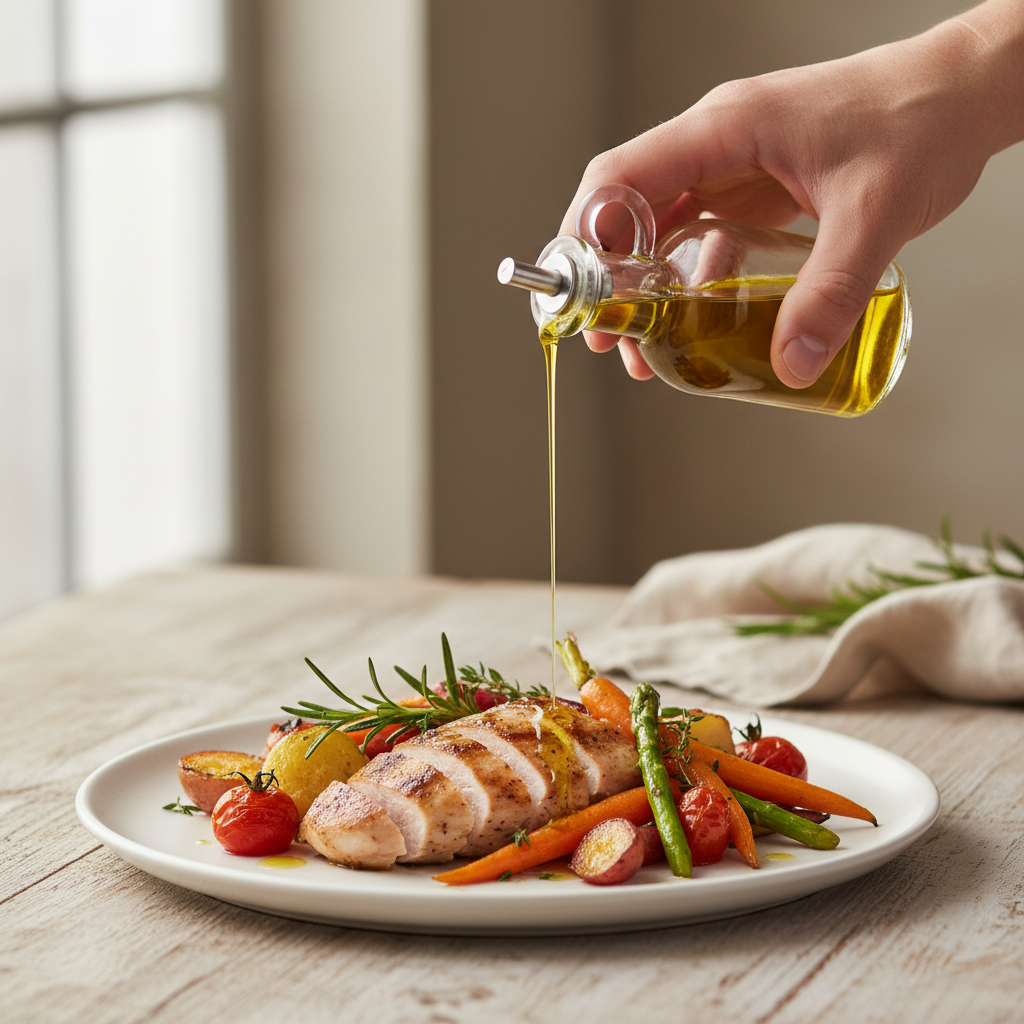
- Finish roasted vegetables with a small drizzle of EVOO for aroma, this is an easy upgrade.
Pan-searing (steak, salmon, chops)
- Use refined olive oil for the initial sear, especially in cast iron.
- Lower heat after crust forms, then add butter, herbs, or a touch of EVOO off heat for flavor.
- If oil smokes constantly, you’re past “searing” and into “burning,” open a window and reset the heat.
Storage, freshness, and label reading (small details that matter)
People stress about smoke point and forget the bigger issue: old oil tastes flat and can go rancid. Rancid oil won’t usually make you instantly sick, but it can taste like crayons or stale nuts and ruin a meal.
- Buy a size you can finish in a couple months if you cook often; big bottles only help if you use them.
- Store away from heat and light; next to the stove looks convenient but often shortens freshness.
- Look for a harvest date or “best by” date when possible; it’s not perfect, but it’s a helpful signal.
- If you notice a sharp, waxy smell, consider replacing the bottle.
According to the International Olive Council, quality depends on factors like freshness and proper storage, which is why keeping oil cool and protected from light is widely recommended.
Common mistakes that make olive oil seem “unhealthy”
A lot of the fear around olive oil cooking comes from very fixable kitchen patterns. If you correct these, you usually keep the benefits people associate with olive oil while avoiding the worst flavors.
- Using EVOO for everything, including ultra-high-heat searing, then assuming olive oil is the problem.
- Heating an empty pan too long, then adding oil, it smokes almost immediately.
- Confusing “light” with lower calorie; it’s about taste, not nutrition.
- Thinking more oil equals healthier; olive oil is still calorie-dense, portion matters for many goals.
- Storing oil by the stove, warmth and light quietly age it faster.
Cheat sheet table: which olive oil to use and when
If you want a one-glance reference, this covers most home-cooking decisions without overthinking it.
| Cooking task | Good olive oil choice | Why it works |
|---|---|---|
| Salad dressing, dips, finishing drizzle | Extra virgin olive oil | Flavor-forward; keeps more aromatic notes |
| Eggs, sautéed veggies, gentle pan cooking | EVOO or virgin olive oil | Great taste at moderate heat and short cook times |
| Roasting vegetables (typical home oven temps) | EVOO or refined olive oil | Both can work; refined is more neutral and forgiving |
| Hard sear, cast iron, very high heat | Refined olive oil (“olive oil,” “pure,” or “light”) | Higher heat tolerance, fewer burnt flavors |
| Baking where you don’t want olive flavor | Light/refined olive oil | Neutral taste, easy swap for other oils |
Key takeaways (so you remember this tomorrow)
- Olive oil can be a solid everyday cooking fat, especially when you match the oil type to the heat level.
- Most “olive oil is bad when heated” problems are really overheating problems or using EVOO for high-heat searing.
- Freshness matters; buy a size you finish and store it away from heat and light.
- When in doubt, cook with refined and finish with EVOO, you get performance plus flavor.
Conclusion: a simple way to make olive oil cooking feel easy
Olive oil doesn’t need to be a fragile, “only for salads” ingredient, but it also isn’t magic that ignores heat and time. For most kitchens, the calm middle ground works: keep EVOO for low-to-medium heat and finishing, keep a refined bottle for hotter pans, and pay attention to smoke as your built-in warning system.
If you want an action plan that’s almost boring, in a good way: set your stove one notch lower than you think, stop preheating empty pans for long stretches, and taste your oil occasionally to make sure it still tastes fresh.
FAQ
Can you use extra virgin olive oil for frying?
In many home kitchens, shallow frying at controlled temperatures can work with EVOO, but it’s easier to slip into overheating. If you’re doing higher-heat frying or you don’t want strong olive flavor, refined olive oil often causes fewer burnt notes.
Is olive oil cooking safe at high heat?
It can be safe in many cases, but “high heat” is vague. If your oil is smoking, you’re past the comfort zone and quality drops fast, so turning heat down or switching to a more heat-stable oil is a practical choice. If you have health concerns, it’s reasonable to ask a clinician for individualized guidance.
What’s the best pan for cooking with olive oil?
Nonstick and stainless both work well, mostly because they’re predictable at moderate heat. Cast iron holds a lot of heat and can push oil to smoke faster, which isn’t “bad,” but it demands more attention.
Does “light olive oil” mean healthier?
No, it usually means lighter taste and color, not fewer calories. It can be useful for baking or higher-heat cooking when you want a neutral oil, but nutritionally it’s still an oil.
How can I tell if my olive oil is rancid?
If it smells waxy, like crayons, or tastes flat and stale instead of fresh or fruity, it may be past its prime. When you’re unsure, replacing the bottle is often cheaper than ruining a full dinner.
Should I refrigerate olive oil?
Usually not necessary for most households. A cool, dark cabinet works, and refrigeration can make the oil look cloudy or semi-solid, which typically clears at room temperature.
Can I cook with olive oil every day?
Many people do, and it can fit well in balanced eating patterns, especially when it replaces saturated fats. If you’re managing weight or certain medical conditions, daily use still benefits from portion awareness and professional advice.
Why does my olive oil pop and splatter so much?
Splatter is often water meeting hot oil: wet vegetables, moisture on meat, or condensation in the pan. Patting food dry and lowering heat slightly usually reduces the mess more than changing the oil.
If you’re trying to simplify your pantry, a useful setup is one flavorful EVOO you actually enjoy tasting and one refined olive oil for higher heat, it’s a small change that makes everyday cooking feel more predictable without turning dinner into a science project.