
fish tacos easy is usually code for one thing: you want crispy fish, a punchy sauce, and tacos that don’t fall apart by the second bite.
Baja-style fish tacos are a great “weeknight but still impressive” meal, but most frustrations come from a few predictable spots, wet batter, lukewarm oil, tortillas that tear, or toppings that turn everything watery.
This guide keeps it practical: a simple Baja method, smart ingredient swaps, and a timing flow so you can plate fast while the fish stays crisp.
What makes Baja-style fish tacos different (and why it matters)
Baja-style typically leans on light, crispy fish plus a creamy sauce and crunchy cabbage, not heavy, cheesy, overloaded fillings. The goal is contrast: hot fish, cool sauce, fresh acidity.
Most home versions go sideways for two reasons: the coating gets soggy, or the tacos get “wet” from toppings. If you solve those, the rest is easy.
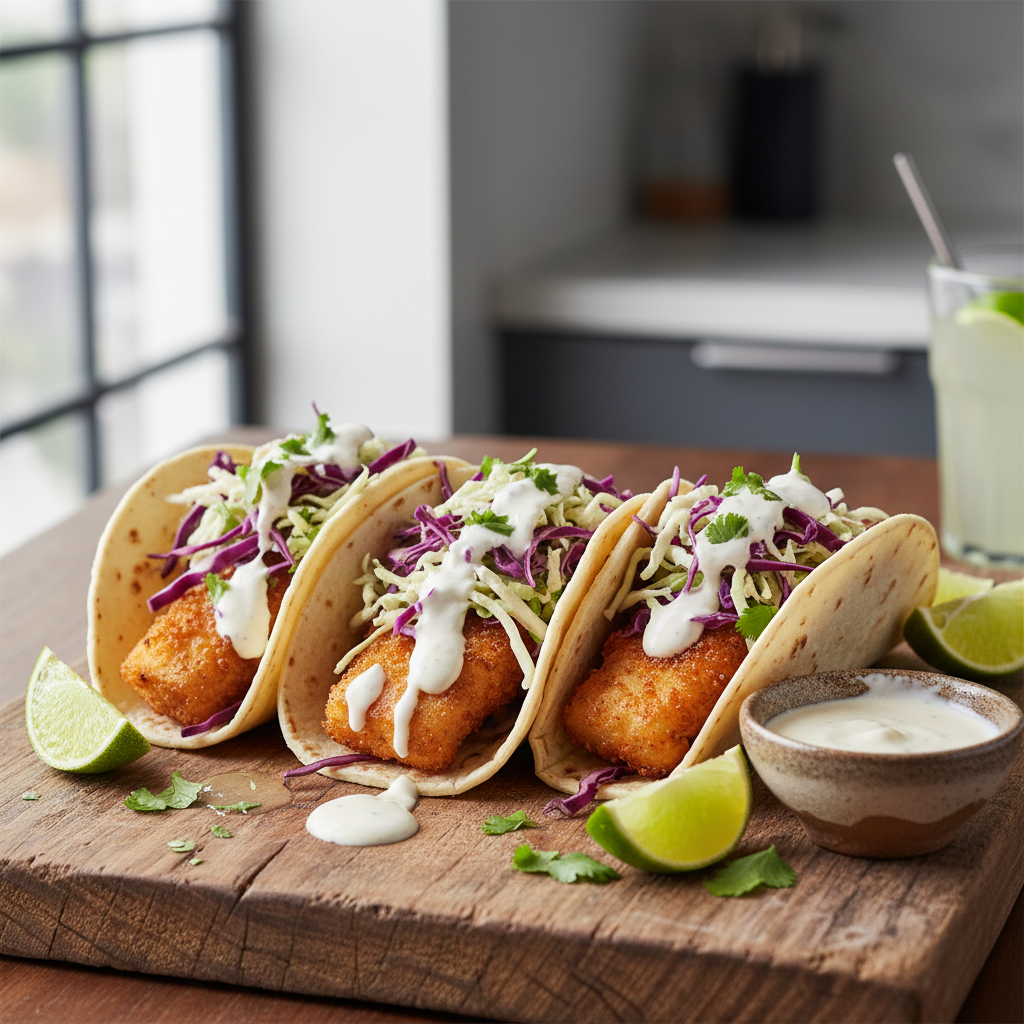
One more real-world detail: Baja tacos often use mild white fish and a simple crema-lime sauce, because the fish is the main event, the sauce supports it.
Ingredients (with smart swaps that still taste “right”)
You don’t need fancy fish. You need fish that cooks quickly and flakes cleanly.
- Fish: cod, tilapia, pollock, halibut, or mahi-mahi (fresh or thawed frozen)
- Tortillas: corn for classic texture, flour if you prefer softer wraps
- Cabbage: green cabbage, napa, or a bagged coleslaw mix
- Acid: lime (lemon works in a pinch)
- Herbs: cilantro (optional, but very “Baja”)
For the crispy coating (two easy paths):
- Beer batter: flour + cornstarch + baking powder + beer (or sparkling water)
- Cornstarch dredge: cornstarch + seasoning for a lighter, faster crisp
For the sauce: sour cream (or Mexican crema) + mayo + lime + salt, then add hot sauce or chipotle if you want heat.
Quick prep checklist (so dinner doesn’t get chaotic)
If you want fish tacos easy on a weeknight, the win is doing “cold stuff” first, “hot stuff” last.
- Pat fish dry, cut into 1-inch strips, keep cold
- Mix sauce, refrigerate
- Toss cabbage with lime and a pinch of salt, keep crunchy
- Warm tortillas right before frying (or while fish rests)
According to USDA, seafood should be cooked to an internal temperature of 145°F. If you’re unsure, a thermometer removes the guesswork.
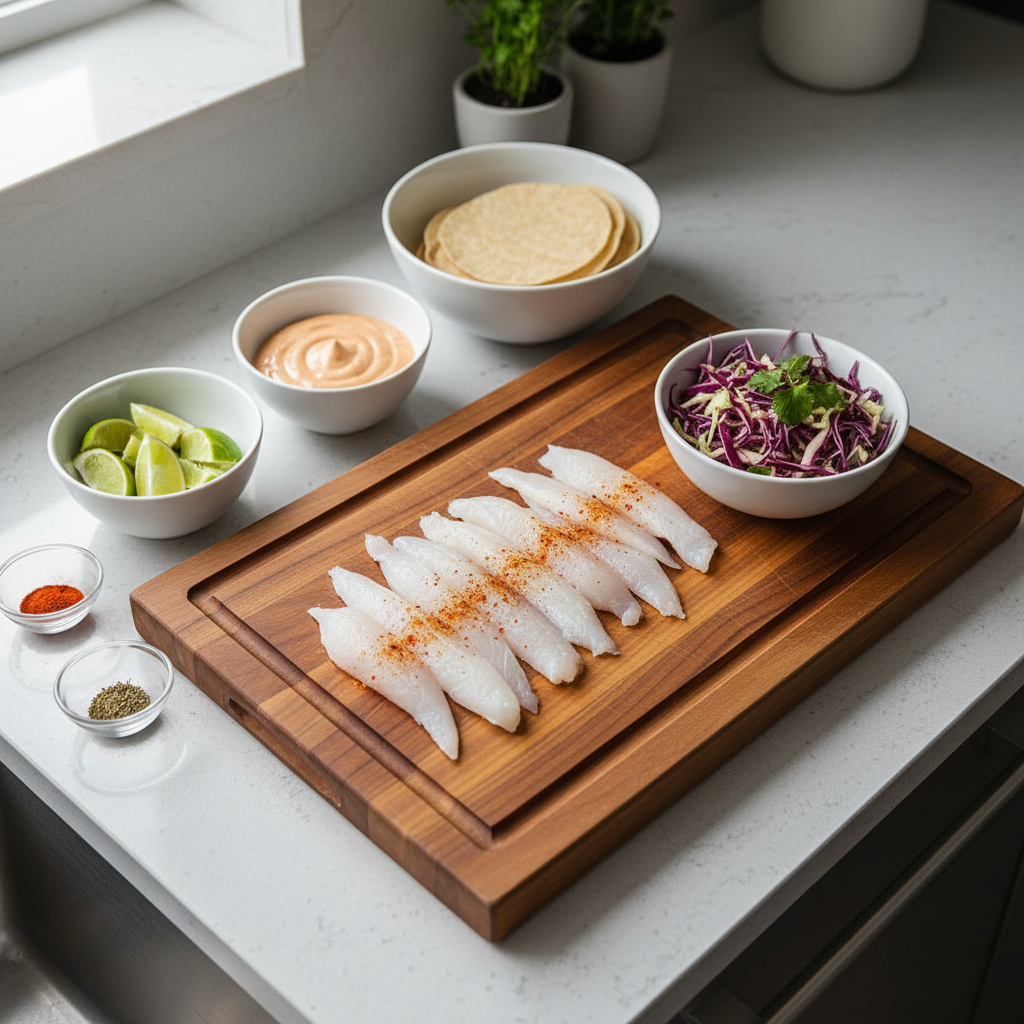
This order also helps the coating stay crisp, because the fish goes from fryer to tortilla without you scrambling to chop cabbage mid-fry.
Step-by-step: easy Baja fish tacos (crispy without drama)
1) Make the sauce (5 minutes)
In a bowl, stir:
- 1/2 cup sour cream (or crema)
- 2 tbsp mayo
- 1 tbsp lime juice + zest if you like it bright
- 1/2 tsp salt
- Optional: hot sauce, chipotle powder, or minced garlic
Taste, then chill. Cold sauce on hot fish is part of the magic.
2) Mix the slaw (2 minutes)
Toss 3 cups shredded cabbage with 1 tbsp lime juice and a pinch of salt. Keep it simple, you’re not making deli coleslaw, you’re making crunch.
3) Choose your crisp method
Beer batter (more classic): Whisk 1/2 cup flour + 1/4 cup cornstarch + 1 tsp baking powder + 1/2 tsp salt. Add 2/3 cup beer or sparkling water until it looks like thin pancake batter.
Cornstarch dredge (fast and light): Mix 1/2 cup cornstarch + 1 tsp salt + 1 tsp chili powder + 1/2 tsp cumin (optional). Coat fish lightly and shake off excess.
4) Fry (or pan-fry) at the right heat
Heat 1/2 inch oil in a skillet to about 350°F. Fry fish in batches, don’t crowd the pan. Most pieces take 2–4 minutes total, turning once, until golden and cooked through.
- Tip: If oil temp drops, the coating absorbs oil and goes soft.
- Tip: Drain on a wire rack if possible, paper towels can trap steam.
5) Warm tortillas and assemble quickly
Warm tortillas in a dry skillet 20–30 seconds per side, or wrap in foil and heat in the oven. Build each taco: tortilla, fish, cabbage, sauce, cilantro, squeeze of lime.
If you want fish tacos easy for a crowd, keep fish warm on a rack in a 200°F oven, and let people assemble at the table.
Timing table: what to do when (so the fish stays crisp)
This is the part most recipes skip, but it’s what keeps dinner smooth.
| Step | Do this | Why it helps |
|---|---|---|
| 0–5 min | Mix sauce, refrigerate | Cold sauce tastes brighter, thickens slightly |
| 5–10 min | Shred cabbage, salt + lime | Stays crunchy, less watery |
| 10–15 min | Pat and cut fish, season | Dry fish = better crisp |
| 15–25 min | Heat oil, coat fish, fry in batches | Steady heat prevents soggy coating |
| Last 5 min | Warm tortillas, assemble | Warm tortillas bend, tacos hold together |
Common mistakes (and quick fixes that actually work)
- “My batter slides off.” Fish surface is too wet, pat dry and lightly dust with flour or cornstarch before batter.
- “It’s crispy then turns soft.” Steam is the enemy, drain on a rack and assemble right before eating.
- “Tacos taste flat.” Add acid and salt in the right places: lime on slaw, salt in sauce, finish with a squeeze.
- “Tortillas crack.” Warm longer and keep covered with a towel while you fry.
- “Everything feels watery.” Go lighter on sauce, and don’t dress slaw too early if it’s sitting 30+ minutes.
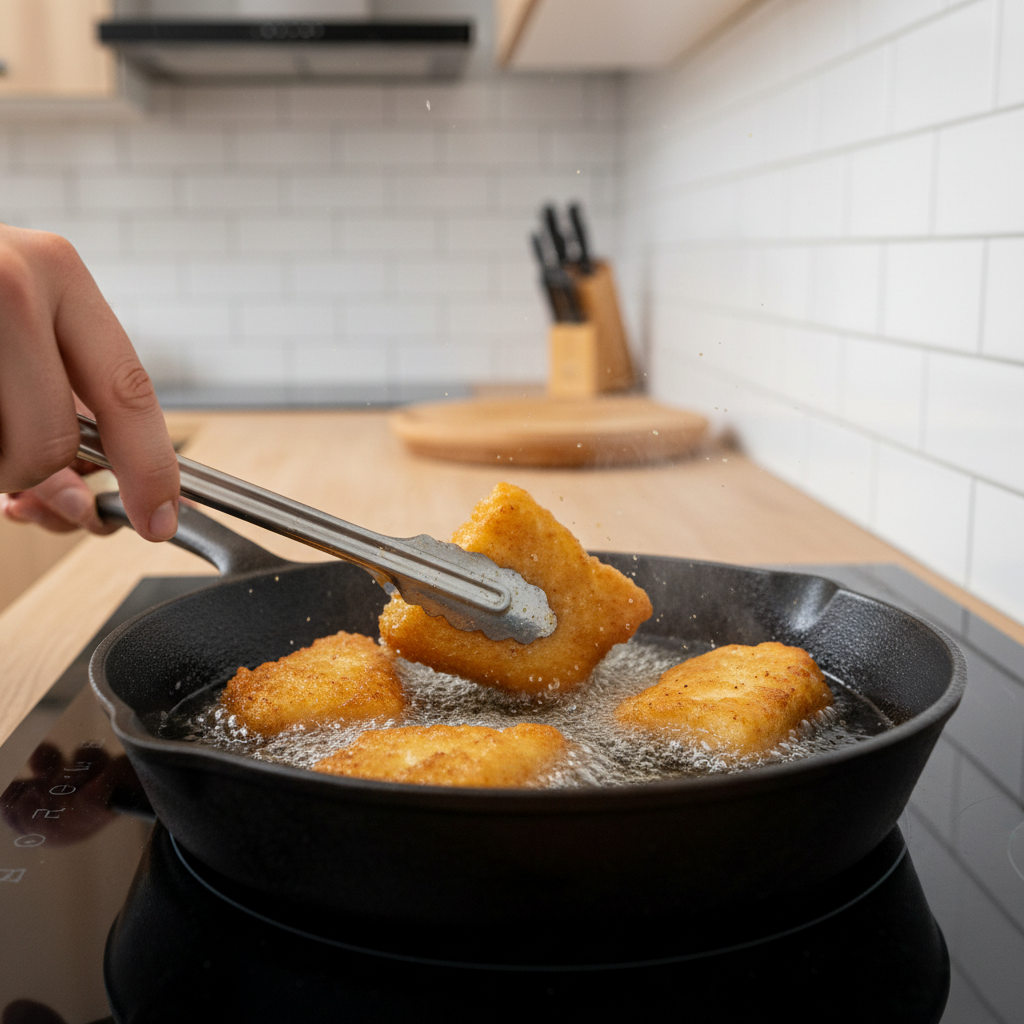
Also worth saying out loud: if you’re chasing “restaurant crunch,” temperature control matters more than secret ingredients. A basic thermometer earns its keep here.
Practical variations (same vibe, different needs)
Oven or air fryer: You can bake or air fry breaded fish if you prefer less oil. The texture shifts from “shatter-crisp” to more “crisp-breaded,” but the tacos still hit the Baja notes with the right sauce and slaw.
- Use panko or crushed cornflakes for crunch, spray lightly with oil
- Cook until browned and fish reaches 145°F
Gluten-free: Use cornstarch + rice flour for batter, or stick with a seasoned cornstarch dredge, then serve on corn tortillas.
Spicy Baja: Add chipotle in adobo (a little goes far) to the sauce, and top with pickled jalapeños.
Kid-friendly: Keep sauce mild, swap cabbage for shredded lettuce, serve lime on the side.
Key takeaways for fish tacos that stay crisp
- Dry fish and hot oil do most of the work.
- Make sauce and slaw first, fry last, assemble fast.
- Keep toppings crunchy and lightly dressed to avoid sogginess.
- For fish tacos easy on repeat, save time with coleslaw mix and a simple crema-lime sauce.
Conclusion: a Baja-style routine you’ll actually reuse
Once you treat this like a timing recipe, not just a list of ingredients, Baja tacos stop being fussy and start being reliable. Get the sauce cold, keep the slaw crunchy, fry at steady heat, and build right before you eat.
If you want a small next step, pick one upgrade for your next batch: a wire rack for draining, or a cheap thermometer for the oil, both make the “crispy” part more consistent.
FAQ
What is the easiest fish to use for Baja fish tacos?
Cod, tilapia, and pollock are common because they’re mild, affordable, and cook quickly. If you see “wild-caught white fish” packs, those often work fine too, just avoid anything too thin that overcooks fast.
Can I make fish tacos easy without deep frying?
Yes. Baking or air frying breaded fish is a solid option if you prefer less oil. You may lose a little of that classic Baja fry texture, but the sauce + slaw combo still delivers the same overall flavor profile.
How do I keep fried fish from getting soggy in tacos?
Drain on a wire rack, not a pile of paper towels, and assemble close to serving. Also keep slaw lightly dressed and avoid overly wet salsas directly on the crust.
Beer batter vs. flour dredge: which is better for beginners?
A seasoned cornstarch dredge is usually more forgiving and faster, less mess, fewer variables. Beer batter feels more “Baja classic,” but it needs steady oil heat and quick frying in batches.
What tortillas work best for Baja-style fish tacos?
Corn tortillas are the traditional match, especially if warmed well. If corn tortillas crack on you, switching brands helps, and flour tortillas can be a practical choice for softer, sturdier wraps.
Can I prep fish tacos ahead of time for a party?
You can prep sauce and cabbage earlier, and cut the fish in advance, but fry close to serving for best texture. If you must hold fried fish, keep it on a rack in a low oven so it stays drier.
How do I know the fish is cooked safely?
The most reliable method is a food thermometer; 145°F is a common safety guideline in the U.S. If you don’t have one, look for opaque flesh that flakes easily, but thicker cuts can be tricky, so a thermometer is a good idea.
If you’re trying to keep fish tacos easy on busy nights, set up your own “taco station” routine: mix the sauce while the oil heats, keep slaw crunchy in the fridge, and warm tortillas as the last batch fries, it’s the simplest way to make the whole meal feel effortless.