
Vegetarian chili recipe searches usually come from one place: you want the comfort of chili, but you don’t want a pot that tastes thin, watery, or “just beans.” This version leans into what actually makes chili satisfying—deep spice bloom, a thick body, and enough texture that you don’t miss the meat.
You’ll get a flexible base recipe, plus a few quick “upgrade paths” depending on what’s in your pantry. I’ll also call out the spots people often mess up (like under-seasoning early, or overcooking beans into mush) so you don’t waste an hour for a mediocre bowl.
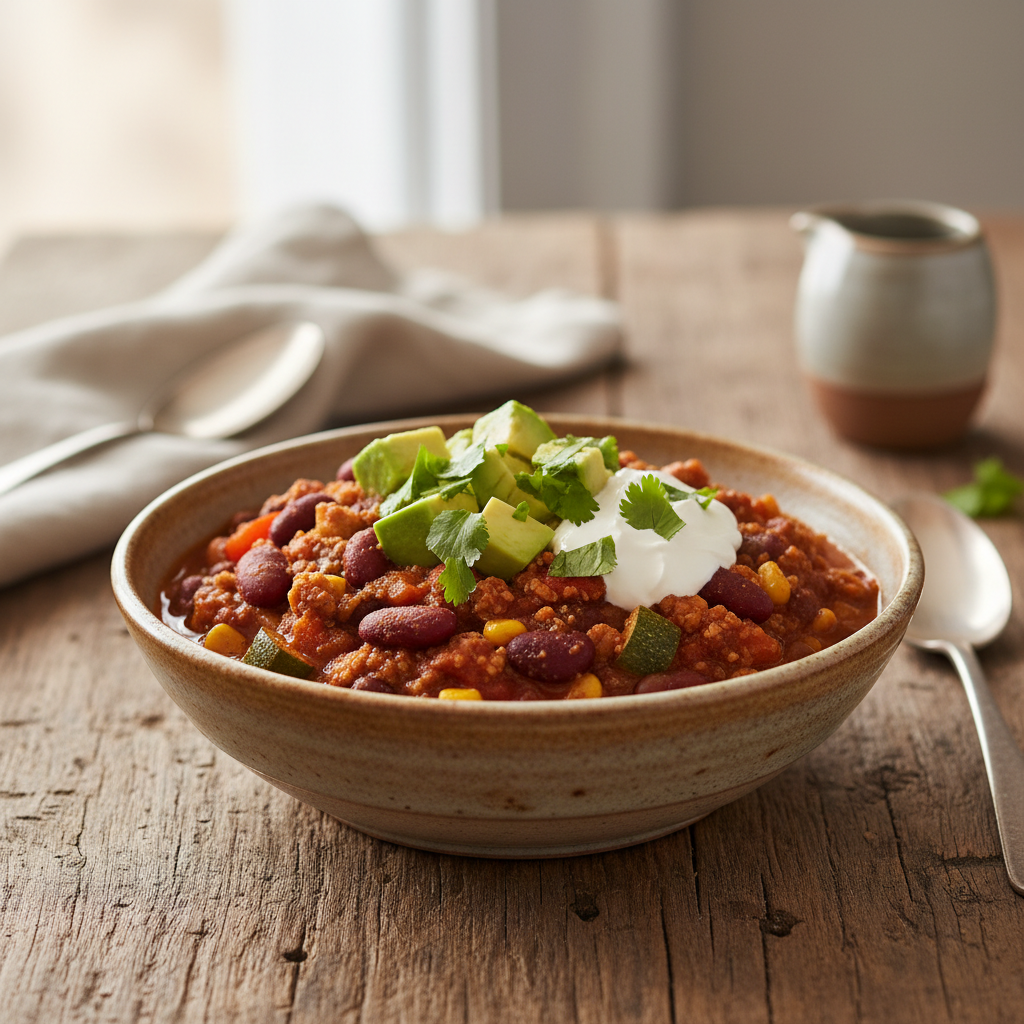
One more thing before cooking: chili is forgiving, but it’s not magic. If you’re using low-sodium tomatoes and no salt until the end, flavor can stay flat. If you treat spices like an afterthought, you’ll taste it. We’ll fix that with a few small habits that add up.
What makes this chili “hearty” without meat
Hearty chili is mostly about structure: some creamy elements, some firm bite, and a sauce that clings to a spoon. Meat does that naturally, so vegetarian chili needs a plan.
- Layered texture: beans for body, plus vegetables that keep a little bite (bell pepper, onion) and something that breaks down (tomato, optional sweet potato).
- Bloomed spices: toasting spices in oil wakes them up, so the pot tastes richer without extra salt.
- Thickening on purpose: a small amount of mashed beans or cornmeal solves the “soupy chili” problem fast.
- Umami support: ingredients like tomato paste, cocoa, soy sauce, or smoked paprika round out the savory notes.
According to USDA Dietary Guidelines, plant-forward meals can support healthy eating patterns when they include a variety of vegetables, legumes, and whole grains. In chili terms, variety also makes it taste better.
Ingredients (and smart substitutions)
This ingredient list keeps the core simple, then gives you options so you can adapt without guessing.
Core ingredients
- 2 tbsp olive oil
- 1 large onion, diced
- 1–2 bell peppers, diced
- 3–4 cloves garlic, minced
- 2 tbsp tomato paste
- 2 tbsp chili powder
- 2 tsp ground cumin
- 1 tsp smoked paprika (or regular paprika)
- Pinch of cayenne (optional)
- 1 (28 oz) can crushed tomatoes
- 2 (15 oz) cans beans (black + kidney is classic), drained and rinsed
- 1 cup vegetable broth (more as needed)
- Salt and black pepper
- 1 tbsp lime juice or apple cider vinegar (to finish)
Optional “make it heartier” add-ins
- Sweet potato (1 medium, diced): thickens and adds comfort-food texture
- Corn (1 cup): sweetness + bite
- Chopped mushrooms (8 oz): adds meaty chew
- Lentils (1/2 cup dry, rinsed): boosts protein and thickens the pot
- Cocoa powder (1 tsp) or soy sauce (1–2 tsp): deeper savory flavor
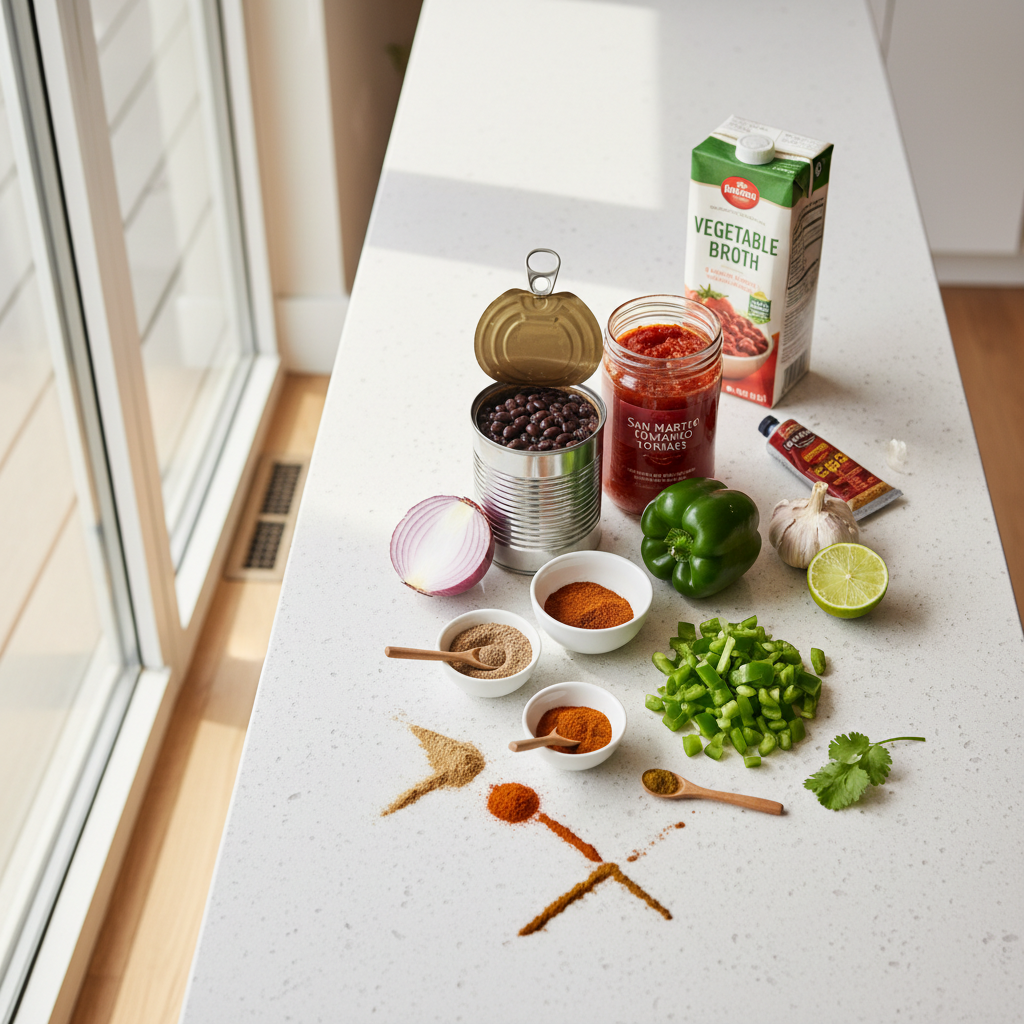
If you’re cooking for mixed diets, this base stays vegan as written, and you can offer dairy toppings on the side. That’s usually easier than trying to make two separate pots.
Easy step-by-step vegetarian chili recipe
This is the part that makes the difference: don’t rush the early minutes. That’s where chili earns its flavor.
1) Build the flavor base
- Heat oil in a large pot over medium heat.
- Add onion and bell pepper, cook 6–8 minutes until softened.
- Add garlic, cook 30 seconds.
- Stir in tomato paste and cook 1–2 minutes until it darkens slightly.
2) Bloom the spices
- Add chili powder, cumin, paprika, and cayenne.
- Stir constantly for 30–60 seconds. If it looks dry, add a splash of broth.
3) Simmer and thicken
- Add crushed tomatoes, beans, and broth.
- Bring to a gentle simmer, then reduce heat to low.
- Simmer 25–35 minutes, stirring occasionally.
- To thicken: mash about 1/2 cup of beans against the side of the pot and stir back in.
4) Finish for balance
- Season with salt and pepper until it tastes “awake.”
- Stir in lime juice or vinegar right before serving.
If you want a slightly smokier, Texas-ish vibe without meat, add a bit more smoked paprika and a tiny pinch of cocoa. Not enough to taste “chocolate,” just enough to deepen the background.
Quick customization table (pick your chili style)
Same vegetarian chili recipe, different outcomes. This table helps you decide what to tweak without overthinking.
| Goal | What to add | What to adjust | Flavor result |
|---|---|---|---|
| Thicker, stew-like | 1 diced sweet potato OR 1 tbsp cornmeal | Simmer 10–15 min longer | Richer body, more “hearty” |
| More “meaty” texture | 8 oz chopped mushrooms | Sauté mushrooms with onion | Chew + deeper savoriness |
| Higher protein | 1/2 cup lentils | Add 1/2–1 cup more broth | Thicker, filling |
| Less spicy | Extra bell pepper, no cayenne | Use mild chili powder | Warm, not hot |
| More heat | Chipotle in adobo (1 tsp), jalapeño | Add gradually, taste often | Smoky, lingering spice |
Practical tips: make it easy on a weeknight
This is where vegetarian chili earns its “easy” label—small prep choices that keep you from washing five cutting boards.
- Use pre-diced frozen onions and peppers if time is tight. The texture is slightly softer, but chili can handle it.
- Simmer with the lid slightly ajar if it’s watery. Covered pots trap steam, and you’ll chase thickness forever.
- Salt in phases: a small pinch early, then adjust near the end when flavors concentrate.
- Make it ahead: chili often tastes better the next day after spices settle.
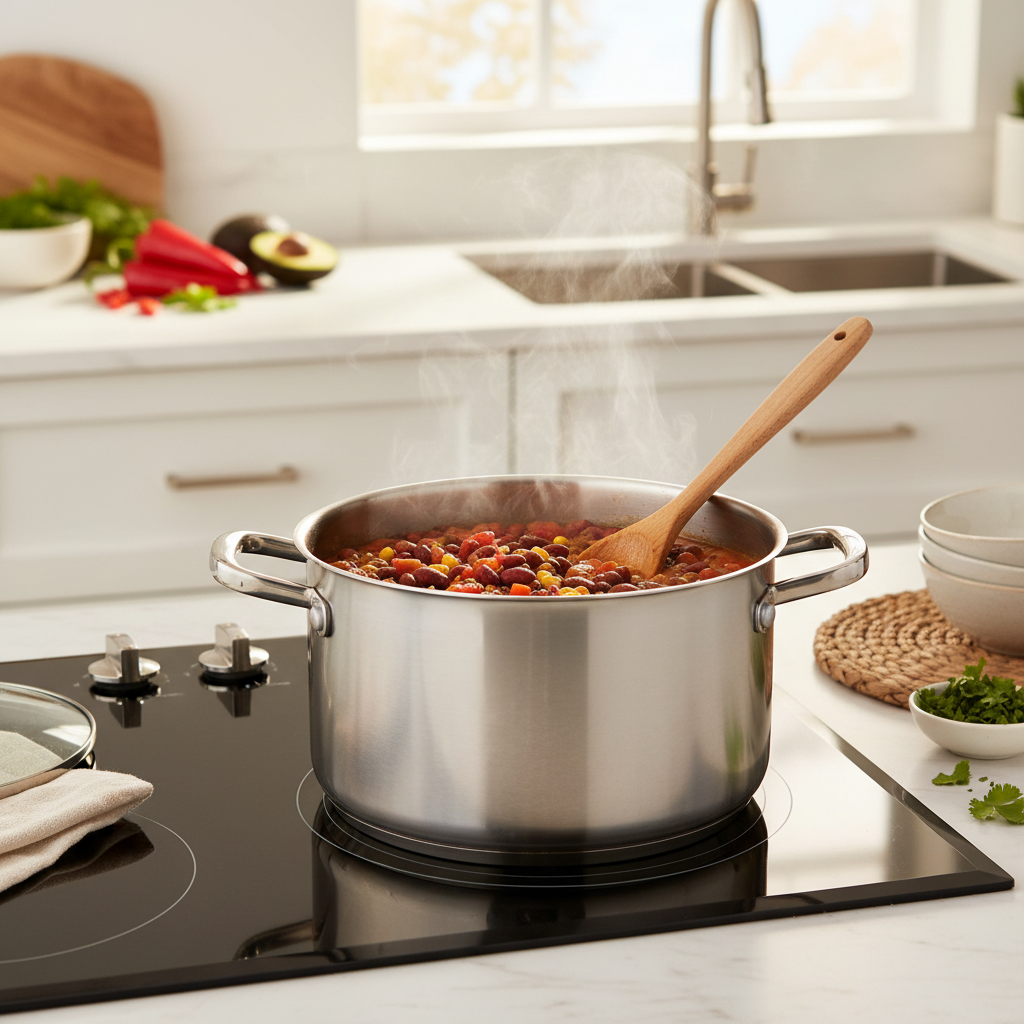
Key takeaways: toast the paste and spices, thicken intentionally, and finish with acid. Those three moves cover most “why does my chili taste off?” moments.
Common mistakes (and what to do instead)
- Mistake: dumping spices into liquid. You get a flatter flavor. Do this: bloom spices in oil after tomato paste.
- Mistake: not rinsing beans. Sometimes it’s fine, but bean liquid can muddy flavor. Do this: rinse unless you’re using a brand you trust and want extra thickness.
- Mistake: simmering too hard. Beans split, vegetables disappear. Do this: keep a gentle simmer, not a rolling boil.
- Mistake: skipping the finish. Chili can taste heavy without brightness. Do this: lime juice or vinegar right before serving.
If you’re watching sodium or managing a health condition, seasoning strategy can change. According to American Heart Association, reducing sodium is a common recommendation for heart health; consider low-sodium canned goods and build flavor with spices, aromatics, and acid, and consult a clinician or dietitian if you need tailored guidance.
Serving ideas, toppings, and storage
Serving is half the experience with chili. A good topping gives contrast—cool vs hot, creamy vs spicy, crunchy vs soft.
Favorite toppings
- Diced avocado or guacamole
- Chopped cilantro, scallions, or red onion
- Sour cream or plain Greek yogurt (or a dairy-free alternative)
- Shredded cheddar or pepper jack
- Tortilla chips, crushed for crunch
What to serve on the side
- Cornbread, biscuits, or warm tortillas
- Rice or quinoa if you want it extra filling
- A simple slaw or green salad to cut richness
Storage and reheating
- Fridge: store in a sealed container; many batches hold well for several days.
- Freezer: cool fully, freeze in portions for easy lunches.
- Reheat: add a splash of broth or water, simmer gently, then re-adjust salt and acid.
Conclusion: a dependable chili you can repeat
A good vegetarian chili recipe doesn’t try to mimic beef bite-for-bite, it focuses on what chili is really about: deep spice, a thick spoonable base, and toppings that make every bowl feel complete. If you cook the tomato paste, bloom the spices, and finish with lime, you’ll get a pot that tastes intentional, not improvised.
Action idea for tonight: make the base as written, then choose one “hearty” add-in from the table, sweet potato or mushrooms usually make the biggest difference with minimal effort.
FAQ
How do I thicken vegetarian chili without flour?
Mash a portion of the beans and stir them back in, it thickens naturally and keeps the flavor on track. A small spoonful of cornmeal can also work, but add it gradually to avoid a gritty texture.
Can I make this vegetarian chili recipe in a slow cooker?
Usually yes, but it depends on your texture goals. Sauté onion, pepper, tomato paste, and spices on the stove first, then transfer and cook on low; finishing with lime at the end still matters.
What beans are best for chili?
Black beans and kidney beans are a classic combo because you get both creaminess and structure. Pinto beans also fit well, especially if you like a softer, thicker bowl.
How can I make it less spicy for kids?
Use mild chili powder, skip cayenne, and lean on cumin and smoked paprika for warmth without heat. Offer hot sauce at the table so adults can adjust individually.
Why does my chili taste bitter?
Often it’s burned spices or tomato paste that sat too long over high heat. Keep the bloom step short, stir constantly, and if bitterness shows up, a small splash of vinegar plus a pinch of salt can help rebalance.
Can I add meat substitutes like plant-based crumbles?
You can, and many brands work fine in chili. Brown them separately for better texture, then stir in during the simmer so they don’t get overly soft.
How long should I simmer chili for the best flavor?
Thirty minutes can taste good, but an hour often tastes better if you have time, just keep it at a gentle simmer and add broth if it gets too thick.
If you’re trying to build a small rotation of reliable plant-based dinners, keep this chili base in your back pocket and treat the add-ins like “themes” for the week, it’s an easy way to stay interested without learning a brand-new recipe every night.