
how to make pakora crispy potato comes down to a few controllable variables, batter consistency, potato prep, and oil temperature, not luck.
If your pakoras turn out soft, greasy, or crisp for only two minutes, you’re usually dealing with one of three issues, too much moisture in the potato, batter that’s too wet, or oil that’s not hot and steady. The good news, you can fix all three without fancy equipment.
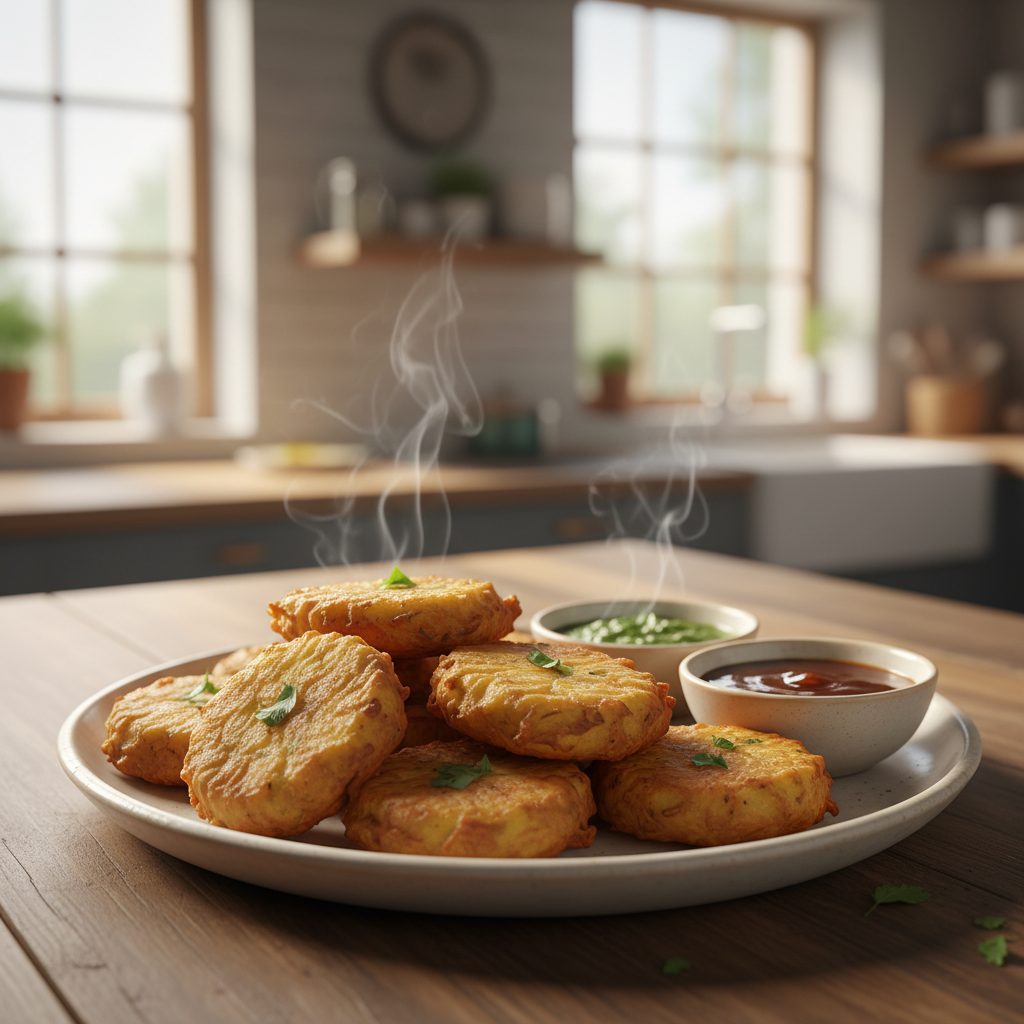
I’ll walk you through what makes potato pakora crisp, a quick self-check so you can diagnose your batch, then a reliable step-by-step method. I’ll also include a small timing and temperature table, because most “crispy” problems happen in the pan, not the mixing bowl.
What makes potato pakora crispy (and what makes it go soggy)
Crispiness is basically controlled dehydration plus structure. You want the surface of the batter to set fast, drive off moisture, and form tiny bubbles and ridges that stay crunchy.
- Moisture management: Potatoes carry water, and salt pulls out more. If that water leaks into the batter, the coating steams instead of crisps.
- Starch + protein structure: Besan (gram flour) and rice flour create a shell. Too much water breaks that shell.
- Oil temperature stability: Oil that’s too cool makes the pakora absorb oil, oil that’s too hot browns the outside before the inside cooks.
- Batch size: Crowding drops oil temperature fast, which is why “the first batch was good” is such a common complaint.
According to USDA Food Safety and Inspection Service (FSIS), deep-frying requires attention to hot oil handling to reduce burn and fire risk, so keep a lid nearby, avoid water splashes, and use stable cookware.
Quick self-check: why your potato pakora isn’t crispy
Before changing the whole recipe, use this list to pinpoint the likely culprit.
- Pakora looks pale and feels heavy: oil too cool, batter too wet, or crowded pan.
- Pakora browns fast but inside tastes undercooked: oil too hot, slices too thick.
- Crunch disappears after 5–10 minutes: trapped steam, too much potato moisture, or covering the pakoras while hot.
- Greasy mouthfeel: low oil temp, batter thin, or skipping the drain step.
- Coating slides off the potato: potato surface too wet, batter lacking bind, or too much oil movement early in frying.
If you only fix one thing, fix temperature control. Even a great batter can’t save pakora fried in unstable oil.
Ingredients that help crispiness (with practical substitutions)
You can make crispy potato pakora with a pretty standard pantry, but a couple of small additions change texture noticeably.
Core ingredients
- Potatoes (Yukon Gold or russet both work)
- Besan (gram flour/chickpea flour)
- Salt
- Spices: cumin, coriander, turmeric, chili powder or cayenne
- Water (cold)
- Neutral high-heat oil for frying (canola, peanut, avocado)
Crisp boosters (choose 1–2)
- Rice flour (most reliable): adds brittle crunch
- Cornstarch: lighter shell, helps reduce oil uptake
- A pinch of baking soda (optional): increases bubbles, but too much tastes soapy
- Ajwain (carom seeds): not a crisp booster by chemistry, but it makes pakora taste “right” and pairs well with potato
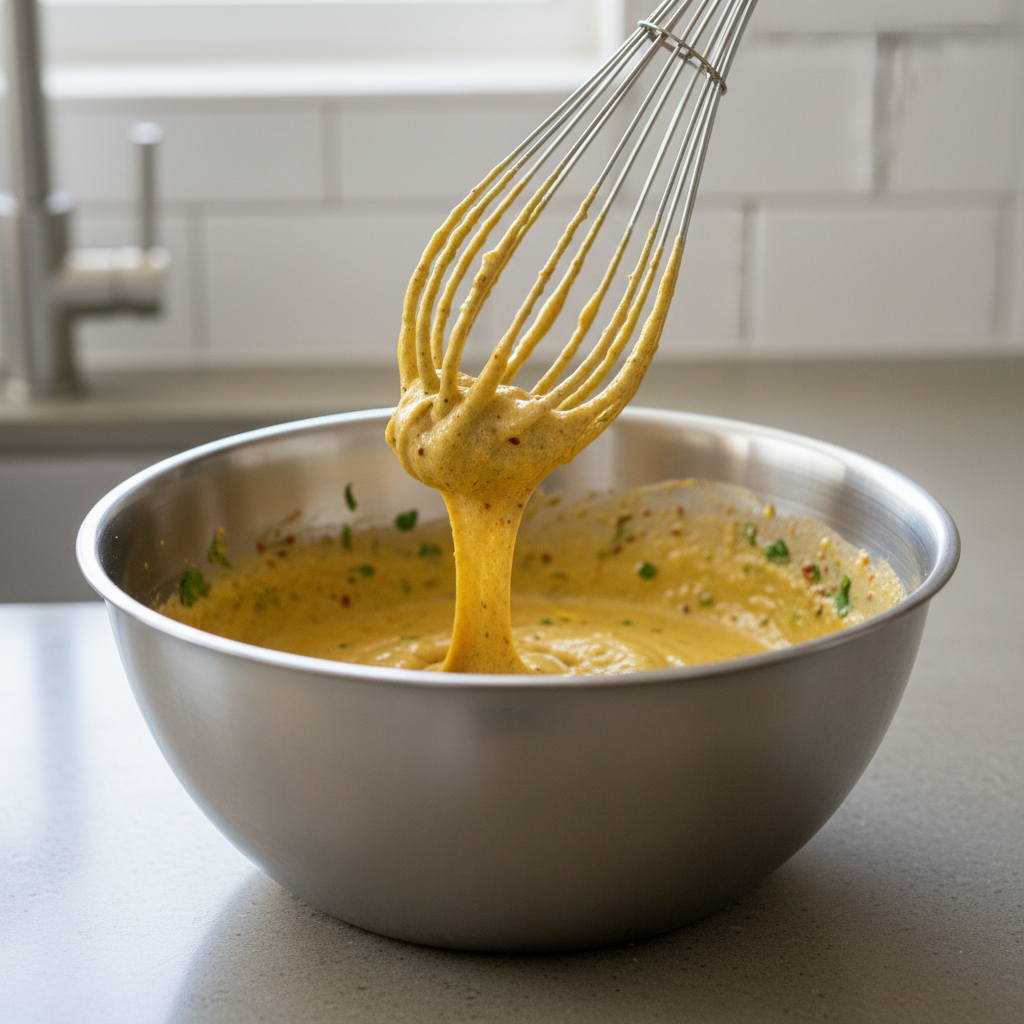
Key point: if you add rice flour or cornstarch, you usually need slightly less water. The batter should coat a potato slice like a thin jacket, not drip off like pancake batter.
Potato prep: the small steps that change everything
Most “why is this not crisp?” stories start with potatoes cut too thick or sitting too long after salting.
- Slice thickness: aim for 1/8 inch (about 3 mm). Thicker slices force longer frying, which often turns the coating dark before the center softens.
- Rinse then dry: a quick rinse removes surface starch that can turn gummy, then dry well. Paper towels matter here.
- Salt timing: either salt the batter (not the raw potato), or salt potatoes only right before dipping. Salting early pulls water out and makes the coating steam.
- Optional pre-soak: 10 minutes in cold water can reduce surface starch, but dry thoroughly after.
If you’re cooking for a group, prep potatoes in batches so slices don’t sit wet on the counter for 30 minutes.
Step-by-step: how to make crispy potato pakora at home
This method is built to keep the batter thick, the oil hot, and the pakora ventilated so it stays crisp longer.
1) Mix a thick batter
- In a bowl, combine 1 cup besan, 2–3 tbsp rice flour (or 1.5 tbsp cornstarch), 3/4 tsp salt, 1/2 tsp cumin, 1/2 tsp coriander, 1/4 tsp turmeric, and chili to taste.
- Add water slowly, stirring, until the batter is thick but spreadable. It should cling to the potato slice without pooling at the bottom.
- Rest batter 5–10 minutes. This hydrates the flour and reduces the urge to add extra water later.
2) Heat oil properly
- Use a deep, heavy pot for temperature stability.
- Heat 1.5–2 inches of oil to about 350°F–360°F. A thermometer helps, but you can test with a drop of batter, it should sizzle immediately and rise steadily.
3) Dip, then fry in small batches
- Dry potato slices well, then dip in batter, letting excess drip off for 1–2 seconds.
- Lower slices into oil gently, don’t toss from above, splashes can burn.
- Fry without stirring for the first 20–30 seconds so the coating sets.
- Flip and fry until deep golden and crisp, usually 3–5 minutes depending on thickness.
4) Drain and vent
- Drain on a wire rack over a sheet pan. Paper towels can trap steam underneath, which softens the crust.
- Salt lightly after frying if needed.
If you’re trying to master how to make pakora crispy potato for a party, the wire rack trick is what keeps your early batches from turning limp while you finish frying.
Timing and temperature table (so you can troubleshoot fast)
Use this as a practical reference. Your stove and pot may vary, so treat the numbers as a target range.
| Stage | Target | What you should see | If it goes wrong |
|---|---|---|---|
| Preheat oil | 350–360°F | Steady shimmer, batter drop sizzles and rises | Pale, oily pakora = oil too cool |
| First 30 seconds | Maintain heat | Coating sets, minimal stirring needed | Coating breaks = oil movement too early |
| Main fry | 3–5 min | Golden brown, audible crisp crackle | Dark outside, raw inside = oil too hot or slices too thick |
| Drain | Wire rack | Steam escapes, surface stays dry | Soggy after resting = trapped steam |
Common mistakes (and what to do instead)
A few habits almost guarantee softness. They’re easy to miss because the pakora can look fine in the oil.
- Adding water to “loosen” batter mid-way: instead, whisk batter well and let it rest a minute, it often feels thicker after hydration.
- Overcrowding the pan: fry fewer pieces, even if it feels slow. Crowding is the fastest route to greasy coating.
- Covering cooked pakora: that’s basically steaming. Keep them uncovered on a rack.
- Using olive oil or low smoke point oils: pick a neutral high-heat oil to reduce burnt flavors and smoke.
- Stirring constantly: let the coating set first, then flip once or twice.
Key takeaways: thick batter, dry potato slices, hot steady oil, small batches, and draining with airflow. That’s the crispness formula.
When to adjust for dietary needs or equipment limits
If you’re working around constraints, you can still get good crunch, just set expectations. Air fryers and ovens can make decent potato fritters, but the crust is usually different from deep-frying.
- Air fryer: brush or spray lightly with oil, cook in a single layer, and flip halfway. Crispness varies by model, and batter can drip if too wet, so make it thicker.
- Shallow frying: use enough oil to come at least halfway up the pakora, flip more often, and keep heat steady.
- Gluten-free: traditional besan is naturally gluten-free, but packaging can vary, check labels if cross-contact matters.
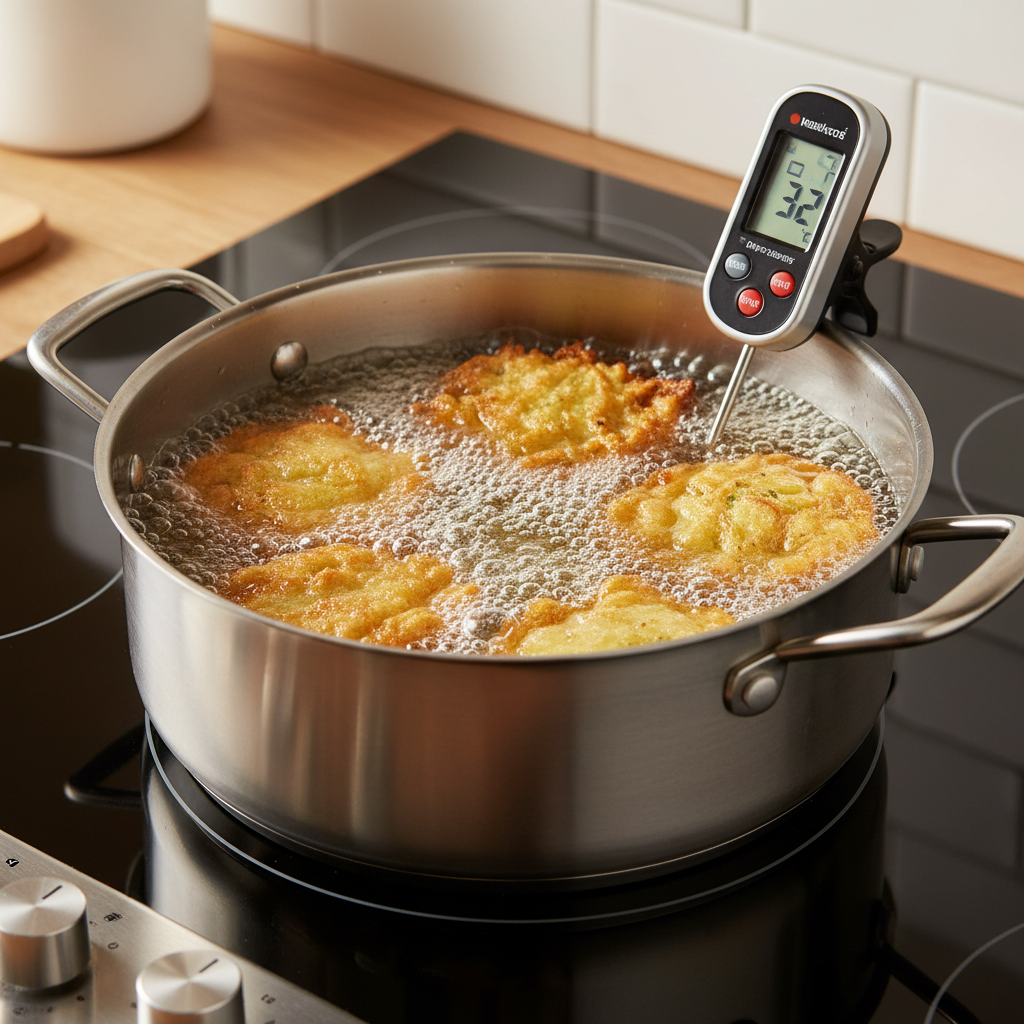
For safety, keep kids and pets away from the frying area, and if you feel unsure about handling hot oil, shallow frying in a wider pan can be easier to manage. If you have specific dietary or health concerns, it’s reasonable to ask a qualified professional for personalized guidance.
Conclusion: a crisp pakora is mostly a process, not a secret ingredient
Once you treat moisture and temperature as the main levers, how to make pakora crispy potato stops feeling mysterious. Keep the potatoes dry, keep the batter thick, fry in small batches at steady heat, then drain with airflow, and you’ll get a crunch that holds up long enough to serve.
If you want a simple next step, try one change on your next batch, use a wire rack instead of paper towels, and watch how much longer the crust stays crisp.