
Potato recipes are the fastest way to rescue a “what do I serve with this?” dinner, especially when you want something creamy, comforting, and not fussy. The problem is that “creamy” can turn into gluey, watery, or weirdly bland in one small mistake.
This guide focuses on creamy potato sides that actually behave on a real weeknight: they reheat decently, they pair with everything from chicken to salmon, and they don’t require a restaurant prep line. I’ll also flag the spots where home cooks usually get tripped up, like choosing the wrong potato or overworking the mash.
Quick note on health and food safety: if you’re serving someone with dietary restrictions, you may need different dairy, salt, or fat choices, and if you’re holding potatoes warm for a party, keep time and temperature in mind. According to USDA Food Safety and Inspection Service, hot foods should be held at 140°F or above for safety.
Why “creamy” potatoes sometimes disappoint
Creamy texture is less about dumping in cream and more about matching technique to the potato you picked. When things go sideways, it’s usually one of these.
- Wrong potato for the job: Russets mash fluffy, Yukon Golds go naturally buttery, waxy red potatoes can turn dense if you push them too far.
- Waterlogged potatoes: Overboiling or not draining well dilutes flavor and makes mash loose, then you compensate with more dairy and it still tastes thin.
- Overmixing: Too much stirring breaks starch granules, and you get that elastic, gluey texture.
- Cold add-ins: Cold milk or sour cream cools the mash fast, making it stiff before you’ve seasoned properly.
Once you see these patterns, choosing the right of these potato recipes becomes much simpler, because you know what you’re optimizing for: fluff, silk, or richness.
Fast self-check: which creamy side should you make?
If you’re staring at the fridge, use this as a quick decision tool. It prevents the common mistake of picking a recipe that fights your timeline.
- Need it in 30 minutes: stovetop mashed Yukon Golds, smashed potatoes with a creamy drizzle.
- Feeding a crowd: baked mashed potatoes, scalloped potatoes, slow-cooker mashed potatoes.
- Make-ahead friendly: gratin/scalloped, twice-baked style mash, dairy-forward mash (reheats smoother).
- Want “lighter” creamy: buttermilk mash, Greek yogurt blend, cauliflower-potato mix (still creamy, less heavy).
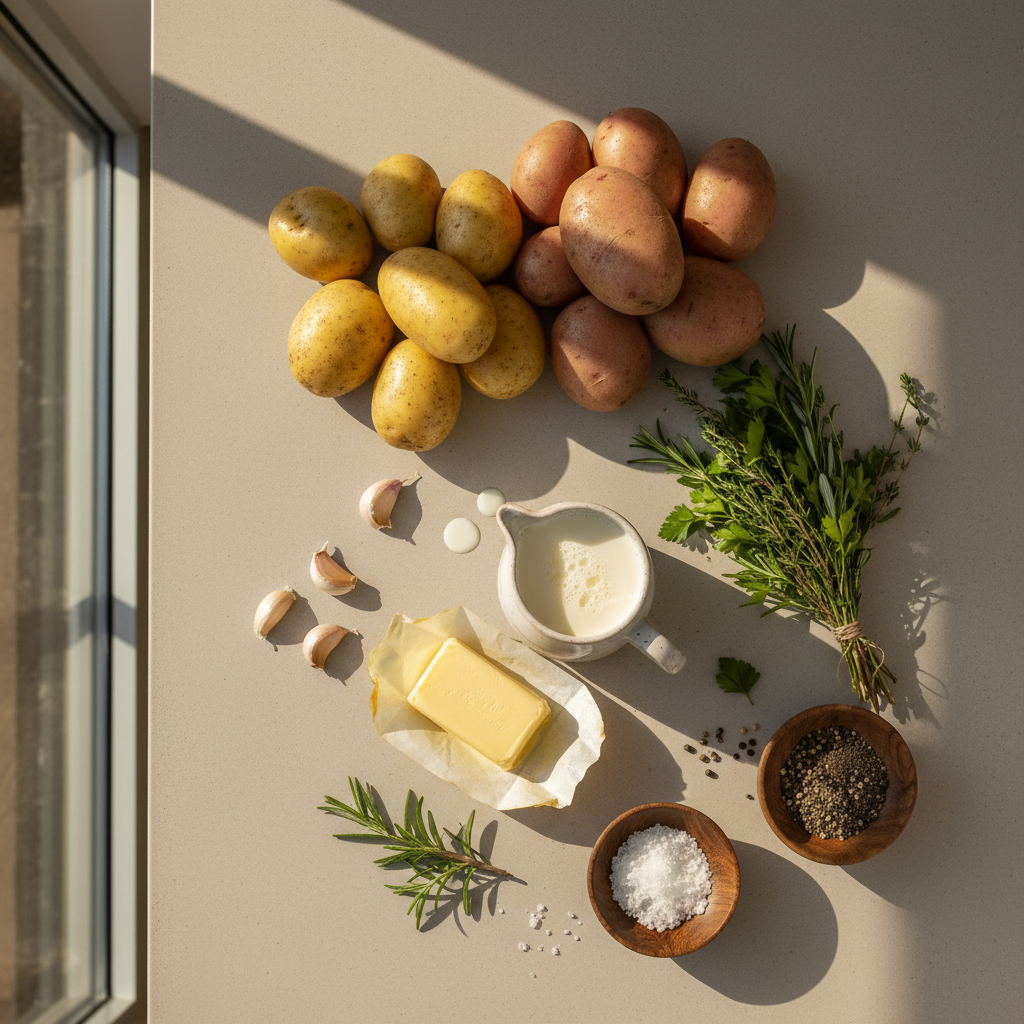
One more practical tip: if you only have one type of potato on hand, you can still get a creamy result, you just adjust technique. Waxy potatoes need gentler mixing and a little more fat; russets prefer less stirring and a careful liquid add.
Creamy potato recipes you can rotate all year
Below are dependable, “cook-it-twice” style sides. Each has a short method, plus the small adjustments that keep texture creamy.
1) Creamy Yukon Gold mashed potatoes (stovetop)
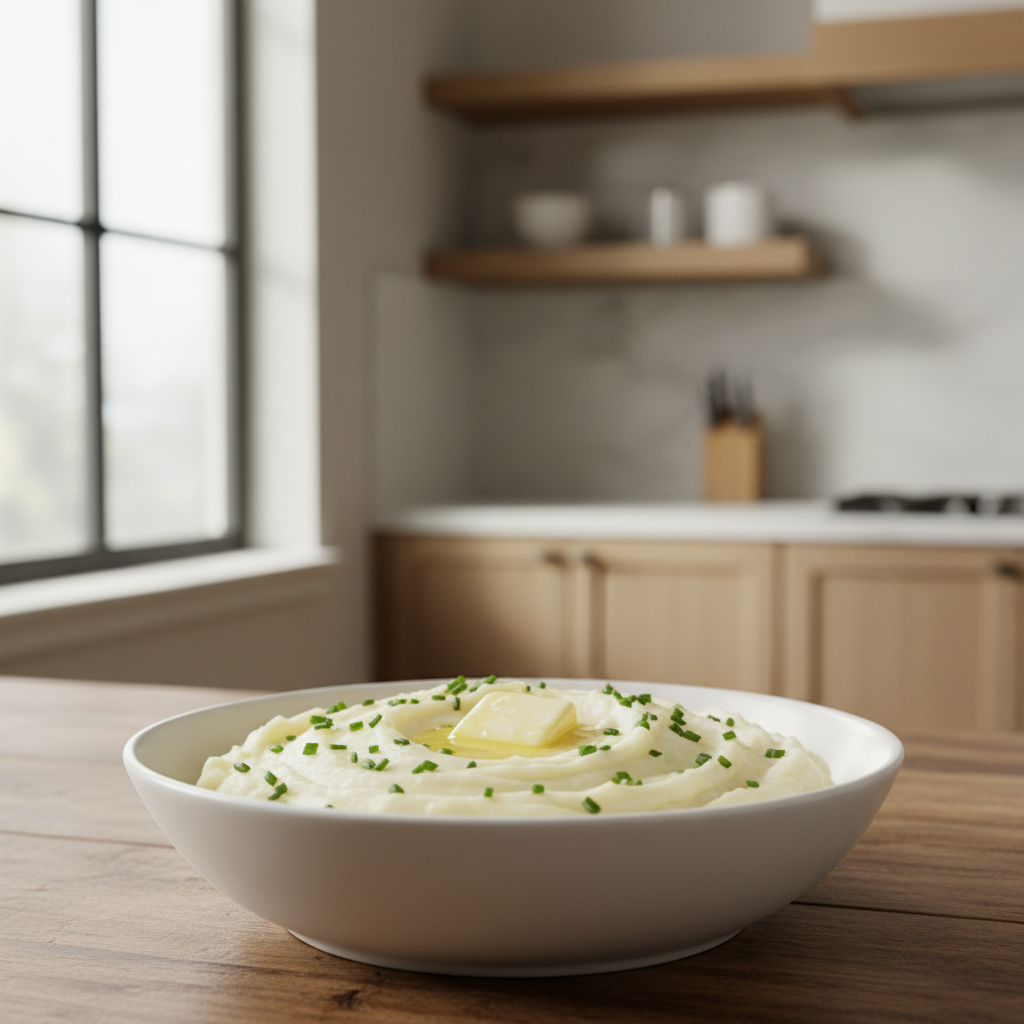
Yukon Golds have a naturally buttery feel, so you can use less dairy and still get richness.
- Cut into even chunks, simmer in salted water until a knife slides in easily.
- Drain well, then return to the hot pot for 1–2 minutes to dry the surface.
- Mash by hand, then fold in warm butter and warm milk/cream.
- Finish with sour cream or cream cheese if you want extra silk.
Texture guardrail: stop mixing as soon as it looks smooth, and season after the butter melts so you don’t chase salt forever.
2) Garlic cream cheese mashed potatoes (extra plush)
This version is forgiving for beginners because cream cheese stabilizes texture during reheating.
- Roast garlic (or gently simmer minced garlic in butter), then mash into the potatoes.
- Stir in cream cheese in small pieces so it melts evenly.
- Add a splash of milk to loosen, then taste and adjust salt.
Pairing idea: works with BBQ chicken, meatloaf, or roasted veggies where you want a richer side.
3) Creamy scalloped potatoes (oven, weeknight-friendly)
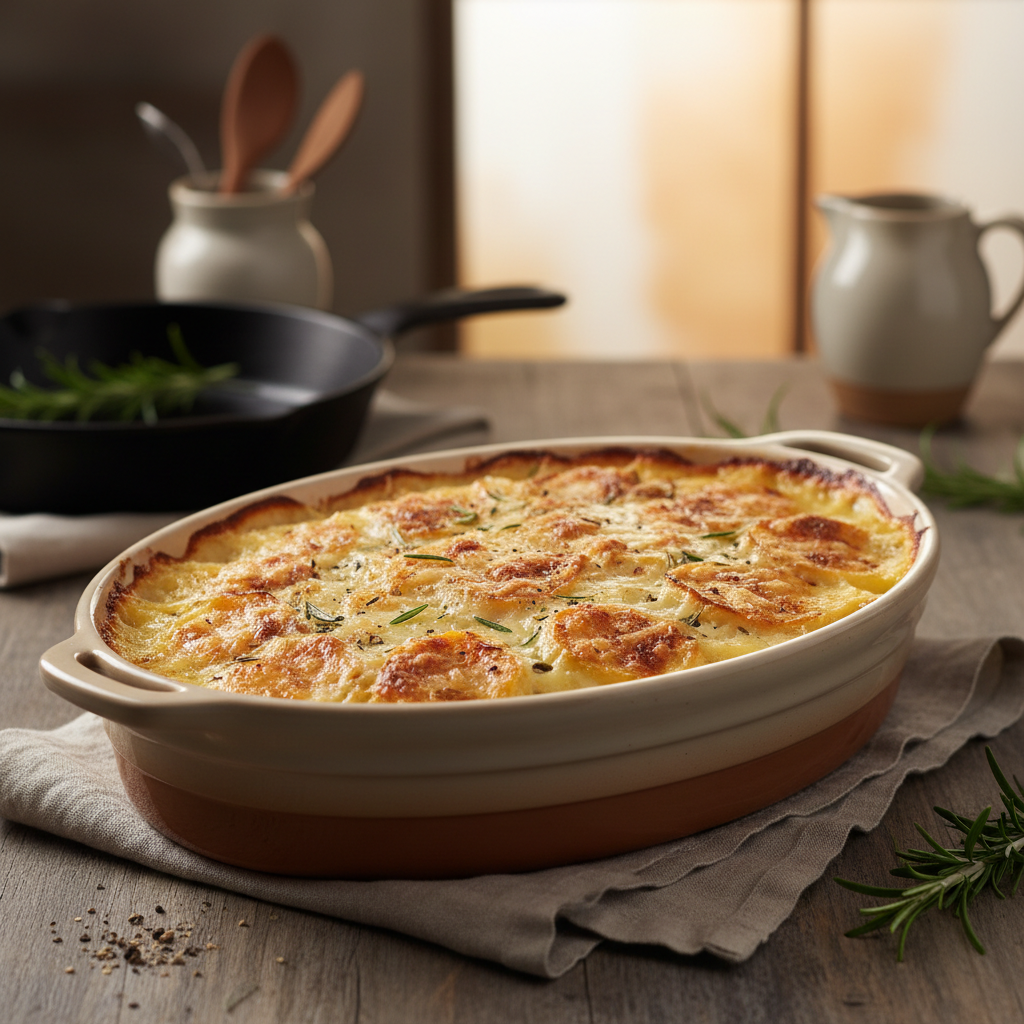
Scalloped potatoes feel “special,” but the core is just thin slices plus a gentle cream sauce. A mandoline helps, but a steady knife works.
- Slice potatoes thin and evenly, layer with salt, pepper, and a little onion.
- Pour over warmed cream/milk mixture, cover, bake until tender, then uncover to brown.
- Let rest 10–15 minutes so the sauce tightens into that creamy, sliceable texture.
Texture guardrail: don’t rush the rest time, otherwise it scoops like soup.
4) Sour cream and chive smashed potatoes (creamy-inside, crisp-outside)
If you like contrast, this is the move: creamy centers without committing to full mash.
- Boil small potatoes until tender, drain, and lightly smash on a sheet pan.
- Roast with oil and salt until crisp.
- Serve with a quick sauce: sour cream, chives, lemon, pinch of garlic powder.
Why it works: you avoid overmixing entirely, yet you still get the creamy element through the topping.
5) Creamy potato gratin with cheddar (holiday vibe, not too hard)
This is richer than scalloped potatoes because cheese adds body, but it can still be balanced if you don’t overdo it.
- Use a mix of milk and cream, plus a handful of cheddar and a little parmesan.
- Season each layer lightly, not just the sauce.
- Bake until bubbling and browned at the edges, then rest before cutting.
Quick comparison table: choose by time, texture, and reheating
| Recipe | Active time | Best texture | Reheats well? | Best potato |
|---|---|---|---|---|
| Yukon Gold mash | 15–20 min | Silky, buttery | Usually yes | Yukon Gold |
| Garlic cream cheese mash | 20–25 min | Plush, stable | Yes, very | Russet or Yukon |
| Scalloped potatoes | 20–30 min | Creamy slices | Yes, with care | Yukon or russet |
| Smashed + sour cream sauce | 15–25 min | Crisp/creamy | Fair (re-crisp) | Baby potatoes |
| Cheddar gratin | 25–35 min | Rich, set | Yes | Yukon Gold |
Practical technique tips (the stuff that actually fixes texture)
Even the best potato recipes fall flat if you miss a couple small details. These are the ones worth caring about.
- Salt the water: it’s your only chance to season the inside of the potato, not just the surface.
- Dry the potatoes after draining: a minute on the hot pot or a low burner reduces excess steam and prevents watery mash.
- Warm your dairy: warm milk/cream blends faster and keeps the mash from tightening up early.
- Use the right tool: potato ricer or hand masher for fluffy-smooth, avoid a blender unless you like risk.
- Add fat first, liquid second: butter coats starch, then you thin to your preferred texture.
If you’re cooking for someone who needs lower sodium or lower saturated fat, you can still keep things creamy, but the approach changes. Often it’s better to add flavor through roasted garlic, chives, pepper, and a little acidity rather than leaning only on butter and salt, and if there’s a medical concern, it’s smart to check with a clinician or dietitian.
Make-ahead and reheating: keep it creamy, not dry
The reheating problem is real: potatoes tighten as they cool. You’re not imagining it. The fix is mostly moisture management.
- Mashed potatoes: store in a covered container, reheat low and slow, add warm milk a tablespoon at a time while stirring gently.
- Scalloped/gratin: reheat covered to warm through, then uncover briefly to bring back the top texture.
- Holding for a party: keep warm in a low oven or slow cooker, stir occasionally, add a splash of warm dairy if edges dry out.
Key point: aggressive high heat tends to split dairy sauces and dry the edges, so patience usually wins.
Common mistakes (and the quick saves)
- Gluey mash: stop mixing, fold in warm butter, then loosen with warm milk. Next time, mash less and skip the mixer.
- Bland flavor: add salt in small increments, then add acid like sour cream, buttermilk, or a tiny squeeze of lemon.
- Watery scalloped potatoes: bake longer and rest longer, thin slices also cook more evenly.
- Grainy sauce: cheese may have overheated, reheat gently and avoid hard boiling once dairy goes in.
Conclusion: build a “creamy side” habit, not a one-off recipe
When creamy potato sides work, they make dinner feel finished, and they’re flexible enough to match almost any main. Pick one style that fits your schedule, then tighten the technique: dry the potatoes, warm the dairy, and mix less than you think.
If you want an easy next step, choose one of the mash options this week, then try scalloped or gratin next time you need a make-ahead side. A small rotation beats hunting for a brand-new idea every time.
Key takeaways
- Potato type matters: Yukon Gold for naturally creamy, russet for fluffy, waxy potatoes for smash-and-roast styles.
- Warm add-ins + gentle mixing keep texture smooth.
- Rest time is part of the recipe for scalloped and gratin, not a suggestion.
FAQ
What are the best potatoes to use for creamy mashed potatoes?
Yukon Golds are a common favorite because they mash smooth with a buttery feel, while russets go fluffy and can still be creamy if you don’t overmix. If you only have reds, mash gently and expect a slightly denser texture.
How do I make potato recipes creamy without heavy cream?
You can use whole milk plus butter, or try sour cream, Greek yogurt, or buttermilk for creaminess and a little tang. The texture often improves if you warm the dairy first and add it gradually.
Why did my mashed potatoes turn gluey?
Usually it’s overmixing, especially with a hand mixer or food processor. Next time, use a masher or ricer, and stop once smooth. If it happens, folding in warm butter and a little warm milk can make it more spoonable.
Can I make scalloped potatoes ahead of time?
Yes, many people bake them, cool, then reheat covered. Plan for a longer reheat than you think, and uncover at the end if you want the top to look fresh again.
How do I keep mashed potatoes warm for a dinner party?
A covered slow cooker on warm or a low oven works, and stirring occasionally helps. If the edges dry out, add a splash of warm milk and fold gently, rather than cranking the heat.
Are creamy potato sides safe to leave out on the table?
Dairy-rich sides can sit out longer than you’d like during a party. According to USDA Food Safety and Inspection Service, hot foods should be held at 140°F or above, so consider a warming dish or serve smaller portions and refresh from the kitchen.
How can I add flavor without making the dish heavy?
Roasted garlic, chives, scallions, cracked pepper, and a little acidity usually add “wow” without extra richness. Start with seasoning the potatoes well, then finish with one bold note rather than adding everything at once.
If you’re building a reliable set of potato recipes for weeknights, start by picking one creamy mash and one baked option you genuinely enjoy making, then tweak seasonings for your mains. If you want, tell me what you’re serving and how much time you have, and I can suggest the best fit.