
Tofu recipes can be incredibly healthy and satisfying for vegetarians, but only if you know how to season, prep, and cook tofu so it doesn’t turn out bland or soggy.
A lot of people buy a block of tofu with good intentions, then get stuck in the same loop, scramble it once, hate the texture, and quietly forget it in the back of the fridge. The good news is tofu is less “mysterious protein” and more “blank canvas,” it just needs a little structure.
This guide gives you a practical playbook: which tofu to buy, a few reliable flavor patterns, and a handful of healthy meal ideas you can rotate without getting bored. You’ll also see quick “fixes” for the most common tofu fails, because yes, most problems are fixable.
Why tofu works so well for healthy vegetarian meals
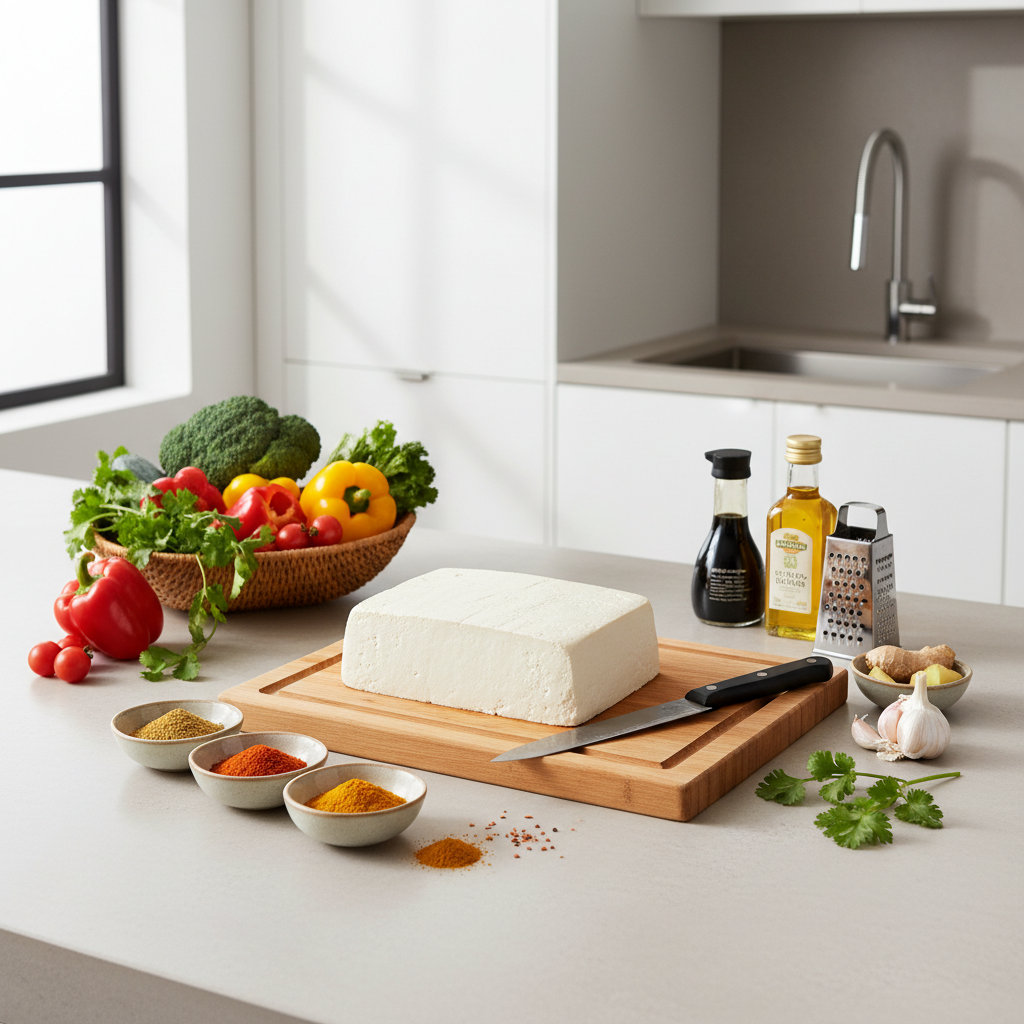
Tofu earns its spot in many vegetarian kitchens because it’s versatile, mild, and easy to pair with vegetables, grains, and sauces. It also plays nicely with different cooking methods, bake it, air-fry it, sauté it, blend it, even grill it.
According to the U.S. Food and Drug Administration (FDA), soy is one of the major food allergens, so if you have a soy allergy or intolerance, tofu may not be a fit and you should look at alternatives like chickpeas, lentils, or tempeh made from other legumes.
- It’s adaptable: You can build everything from salads to stir-fries to tacos.
- It supports “balanced plates”: Pair tofu with fiber-rich vegetables and whole grains for staying power.
- It can be gentle on your budget: In many U.S. grocery stores, tofu is a cost-effective protein option.
Key takeaway: The health “win” usually comes from the whole meal, not tofu alone, keep an eye on sodium-heavy sauces and deep frying if your goal is lighter eating.
Choose the right tofu: a quick texture guide (with a table)
Most tofu disappointment comes from using the wrong firmness for the job. If you take silken tofu and try to cube it for a crispy stir-fry, you’ll blame tofu, but it’s really a mismatch.
| Type | Best for | Texture notes | Healthy cooking ideas |
|---|---|---|---|
| Silken | Blending, sauces, desserts | Soft, custardy | Protein smoothie, creamy dressing, chocolate pudding |
| Soft | Soups, gentle simmers | Tender, breaks easily | Miso soup, Korean-style soft tofu stew |
| Firm | Pan-sear, bake | Holds shape, still moist | Baked tofu bowls, sheet-pan meals |
| Extra-firm | Air-fry, grill, stir-fry | Best for crispy edges | Crispy tofu tacos, veggie stir-fry |
| Super-firm (vacuum-packed) | No-press weeknight cooking | Dense, meaty bite | Quick skillet tofu, high-protein salads |
If you only want to buy one type for everyday tofu recipes, extra-firm (or super-firm if you see it) covers the most ground with the least fuss.
Why tofu turns out bland or soggy (and what fixes it)
People often assume tofu “doesn’t taste like anything,” but the real issue is usually water management and seasoning timing. Once you fix those, tofu becomes predictable in a good way.
Common causes
- Too much moisture: Water prevents browning and dilutes sauces.
- Weak flavor base: A quick splash of soy sauce rarely penetrates the tofu.
- Crowded pan: Steam happens, crisp doesn’t.
- Wrong cut size: Huge cubes stay bland inside, tiny bits dry out fast.
Practical fixes you can use tonight
- Press or choose super-firm: 10–20 minutes pressing helps, but vacuum-packed tofu can skip it.
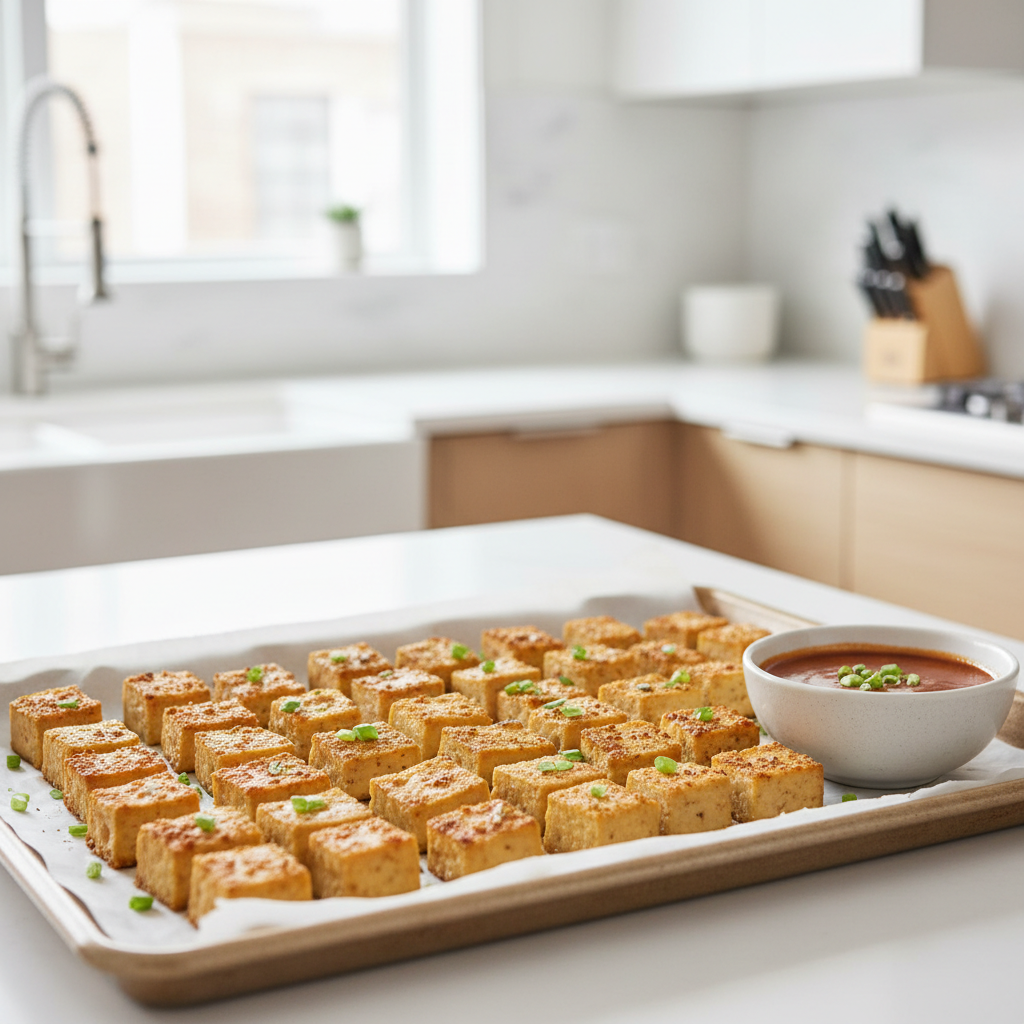
- Use a “dry heat” step: Bake or air-fry first, then sauce, it keeps texture.
- Starch lightly: A dusting of cornstarch can help crispness, especially in a skillet or air fryer.
- Season in layers: Salt lightly early, finish with an acidic or aromatic sauce at the end.
A quick self-check: which tofu situation are you in?
If you’re not sure what to change, run this short checklist. It’s faster than hunting for a brand-new recipe when the real issue is one step.
- Your tofu is watery in the pan: You likely need pressing, more heat, or less crowding.
- Your tofu tastes “flat”: You probably need a stronger sauce pattern, plus acid and aromatics.
- Your tofu falls apart: Switch to firm/extra-firm, and avoid aggressive stirring early.
- Your tofu is rubbery: High heat too long, or super-firm cooked like extra-firm, shorten cook time and add sauce earlier.
- You’re bored of the same flavors: Rotate two sauce families and one texture method, it feels new without extra work.
Key point: Don’t “fix” bland tofu by drowning it in salt. It usually needs better browning and a more balanced sauce.
Healthy tofu recipes vegetarians actually keep repeating
Below are reliable ideas that work for U.S. weeknight cooking, minimal specialty ingredients, flexible vegetables, and leftovers that still taste good. Think of these as templates more than rigid rules.
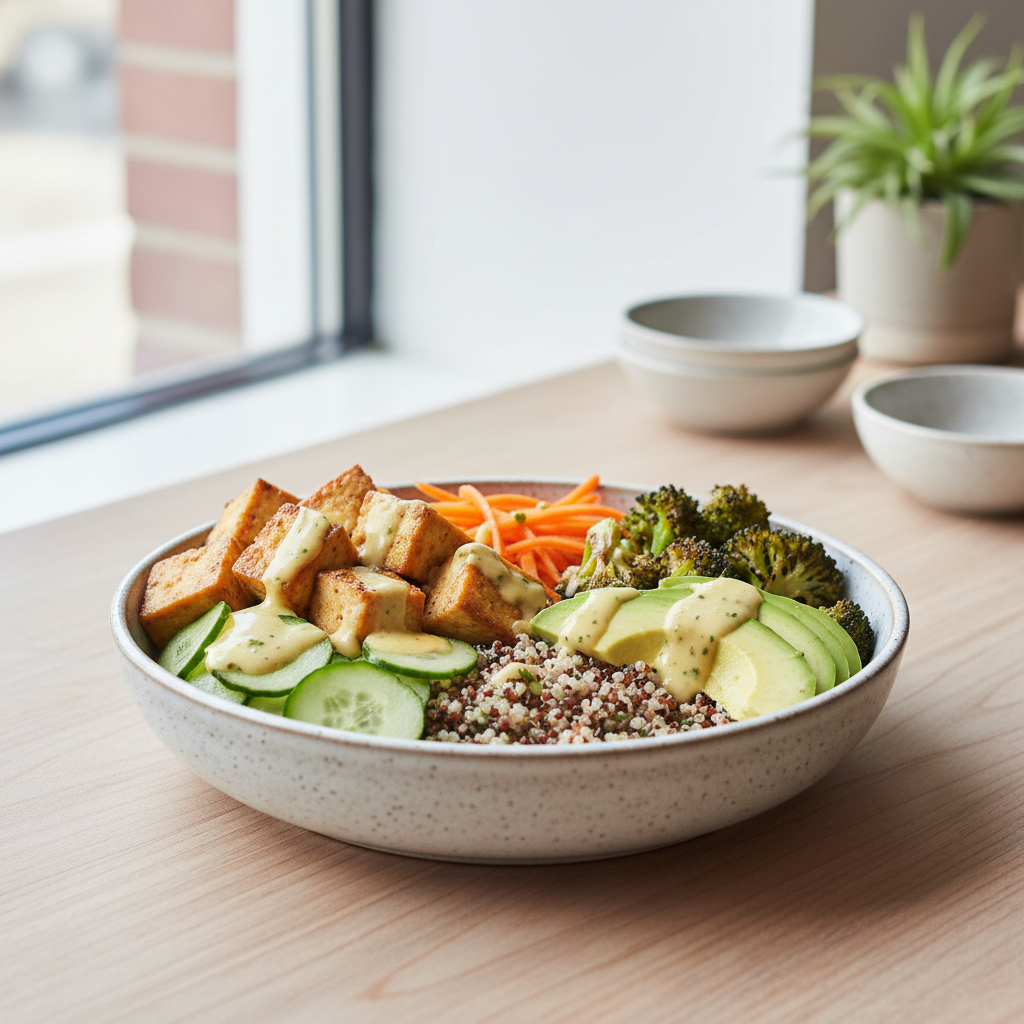
1) Crispy tofu power bowls (sheet-pan friendly)
- Base: Brown rice, quinoa, or farro
- Veg: Broccoli, bell peppers, zucchini, onions
- Tofu method: Bake cubes at high heat, toss once halfway
- Sauce idea: Tahini + lemon + garlic + water to thin
Meal-prep tip: store sauce separately, and add it right before eating so the tofu keeps its edges.
2) Ginger-garlic veggie stir-fry with tofu
- Tofu method: Pan-sear slabs first, then slice, then toss back in at the end
- Flavor base: Ginger, garlic, scallions
- Health angle: Load up on colorful vegetables, keep the sauce light, and use toasted sesame oil as a finishing note, not the main fat
If you’re watching sodium, try a lower-sodium soy sauce and rely on vinegar or citrus to brighten flavor.
3) High-protein tofu scramble (not dry, not mushy)
- Tofu type: Firm works well here
- Texture trick: Tear tofu into chunks instead of crumbling finely
- Seasoning: Turmeric for color, black salt (kala namak) if you like an eggy note, plus sautéed onions and peppers
Many tofu recipes for breakfast fail because the heat is too high and the pan is too crowded, keep it medium and let moisture cook off gradually.
4) Silken tofu “creamy” pasta sauce (weeknight fast)
- Blend: Silken tofu + roasted red peppers or basil + lemon juice + garlic
- Finish: Stir into hot pasta off the heat to avoid splitting
- Add-ins: Spinach, peas, mushrooms
This one surprises people because it feels indulgent, but the “creaminess” comes from blending, not heavy cream.
5) Tofu taco crumbles (smoky, not greasy)
- Tofu method: Crumble extra-firm tofu, cook until water evaporates, then add spices
- Spice mix: Cumin, chili powder, smoked paprika, oregano
- Build: Cabbage slaw, pico de gallo, avocado, lime
For better texture, don’t add sauce until the crumbles brown a bit, otherwise they steam.
Flavor formulas that make tofu taste “restaurant-level”
Instead of chasing endless recipes, keep two or three flavor formulas that you can mix and match. This is how tofu becomes a routine, not a project.
Three reliable sauce patterns
- Sesame-soy-ginger: Soy sauce (or tamari), rice vinegar, grated ginger, a touch of maple syrup, sesame seeds
- Lemon-tahini: Tahini, lemon juice, garlic, water, salt, black pepper
- Smoky tomato: Tomato paste, smoked paprika, cumin, lime, a little water to loosen
How to apply without turning tofu soggy
- Crisp first, sauce last: Especially for bowls, tacos, and salads.
- Use acid at the end: Lemon, lime, or vinegar keeps flavors sharp.
- Think contrast: Crunchy veg + warm tofu + creamy sauce is usually more satisfying than one-note softness.
Meal prep and storage: keep texture through the week
Healthy eating gets harder when leftovers turn sad. With tofu, the main goal is protecting texture and keeping flavors fresh.
- Store components separately: Tofu, grains, vegetables, and sauce in different containers when possible.
- Reheat with dry heat: Oven, toaster oven, or air fryer helps revive crispness better than the microwave.
- Use within a reasonable window: Follow the package date and food-safety guidance; when in doubt, throw it out.
According to the U.S. Department of Agriculture (USDA), refrigerated leftovers should be reheated to a safe internal temperature and stored promptly, if you have specific food safety questions for your situation, a healthcare professional or local health department guidance can be helpful.
Mistakes to avoid (and when to ask a professional)
Some tofu “tips” floating around online are more effort than value. Others can be fine, but only if they fit your health needs.
- Over-marinating without pressing: Tofu sitting in a thin marinade often stays watery; you get surface flavor and a soft texture.
- Assuming all tofu is the same: Silken tofu shines in blended tofu recipes, not in crispy applications.
- Relying on sauce for everything: If tofu never browns, it rarely tastes deeply satisfying.
- Ignoring personal nutrition needs: If you manage kidney disease, thyroid conditions, or take medications affected by diet, it’s smart to check with a registered dietitian or clinician about how soy foods fit your plan.
Quick reality check: “Healthy” is context, your best tofu routine is the one you can repeat, enjoy, and adjust without stress.
Conclusion: make tofu simple, then make it exciting
Good tofu recipes aren’t about complicated steps, they’re about the right tofu type, a dependable crisping method, and sauces that balance salty, sour, and aromatic flavors. Once you get those basics down, tofu stops feeling like a compromise and starts feeling like a tool.
If you want an easy next move, pick one cooking method to master this week, baked cubes or pan-seared slabs, then pair it with one sauce formula and two vegetable mixes you already like. That small system tends to beat recipe hopping every time.
FAQ
What’s the healthiest way to cook tofu?
Baking, air-frying, steaming, and quick sautéing with modest oil are common “lighter” options. The healthiest choice depends on your overall meal and goals, especially sodium and added fats.
Do I have to press tofu for all tofu recipes?
Not always. Super-firm vacuum-packed tofu often needs little to no pressing, and silken tofu isn’t pressed at all. Pressing matters most when you want browning and a firm bite.
How do I make tofu taste better without adding a lot of salt?
Focus on browning for depth, then add acid like lemon or vinegar for brightness, and use aromatics like garlic, ginger, scallions, or toasted spices. A small amount of a salty ingredient can go further when the rest of the flavor is layered.
Why does my tofu stick to the pan?
Usually the pan isn’t hot enough yet, or you’re trying to flip too early. A bit of oil helps, and nonstick or well-seasoned cast iron can be more forgiving for beginners.
Can I eat tofu every day as a vegetarian?
Many people include tofu regularly, but “every day” depends on your overall diet variety and personal health factors. If you have a medical condition or concerns about soy, checking with a registered dietitian may be a good idea.
What tofu should I buy for crispy tofu bowls?
Extra-firm is the safest bet, and super-firm can be even easier if available. If the label says “silken,” skip it for crispy bowls and save it for blended sauces or desserts.
How long does cooked tofu last in the fridge?
It varies by recipe and storage, but many home cooks aim to use cooked leftovers within a few days while following food-safety guidance. If it smells off, looks slimy, or you’re unsure, it’s safer to discard.
If you’re building a vegetarian routine and want tofu recipes that feel flexible instead of fussy, start by choosing one tofu type you can always find at your grocery store, then keep two sauces on standby, you’ll cook faster and waste less food without overthinking every meal.