
Whipped cream is one of those "small" toppings that can quietly ruin dessert when it turns grainy, collapses, or tastes vaguely fridge-like. The good news is you usually don’t need fancy tools to fix it, you need the right cream, the right temperature, and a couple of timing cues.
This guide gives you a dependable base recipe, a few variations that actually hold up on cakes and pies, plus quick troubleshooting for the mistakes people make (often without realizing it). If you bake a lot, you’ll also like the storage and stability section, because that’s where homemade versions tend to fall apart.
One quick expectation-setting: homemade whip will never behave exactly like a shelf-stable aerosol topping, and that’s fine. It’s fresher, richer, and more customizable, but you’ll get the best results when you treat it like a perishable dairy product, not a pantry item.
What makes whipped cream work (and why it sometimes fails)
At its core, whipped cream is a foam, you’re trapping air bubbles inside a network formed by milk fat. When the fat is cold, it partially solidifies and can hold onto that structure; when it’s warm, it stays too fluid and the foam deflates.
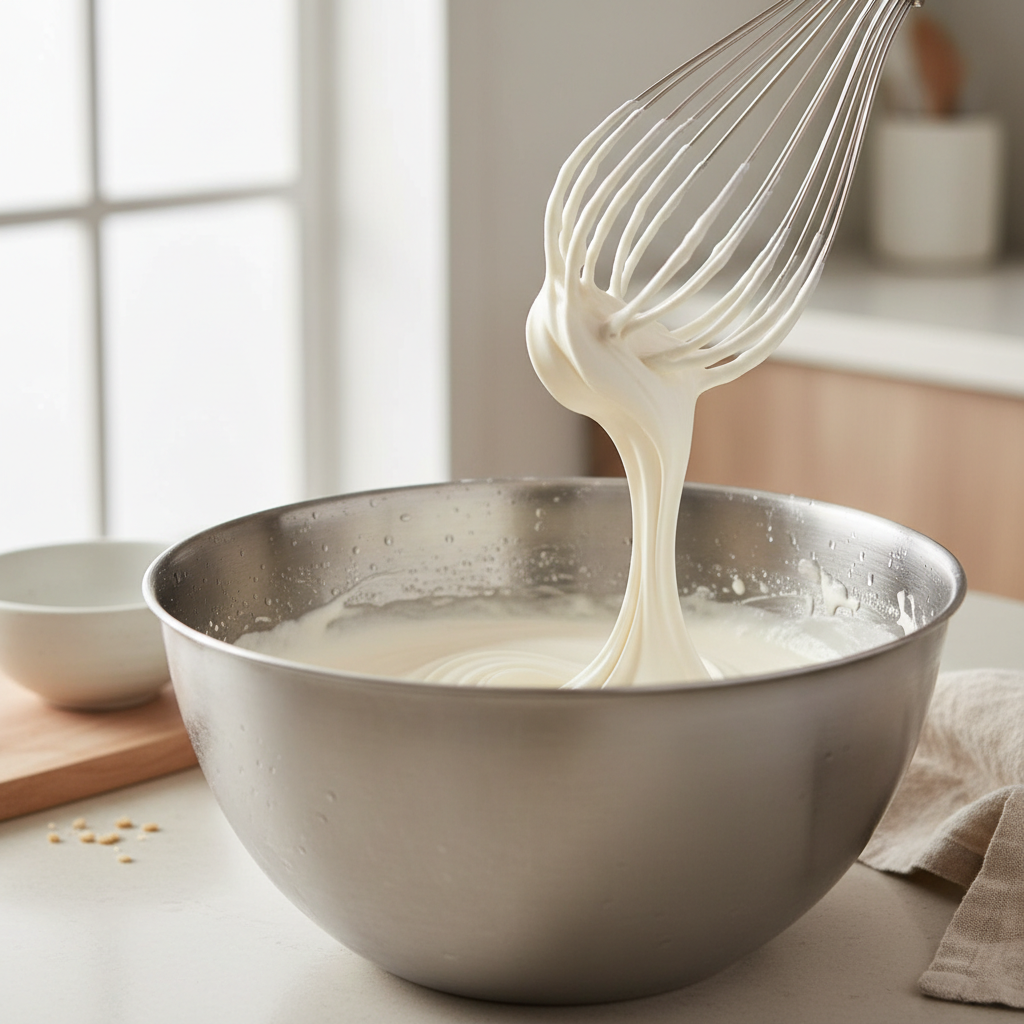
Most “it won’t whip” problems come from one of these real-world causes:
- Cream fat percentage is too low, half-and-half won’t reliably whip, and some “light” creams struggle.
- Everything is too warm, including the bowl, whisk, and even the kitchen air on a hot day.
- You overshoot the peak stage, it looks great for 20 seconds, then it goes chunky and starts heading toward butter.
- Sugar is added at the wrong time, too early can slow whipping, too late can feel gritty if it doesn’t dissolve.
- Flavorings are too watery, a splash of juice or thin syrup can thin the foam.
According to the USDA Food Safety and Inspection Service (FSIS), perishable foods like dairy should not sit at room temperature for extended periods, so if you’re whipping in a warm kitchen or serving outdoors, plan for shorter “standing time” or use a stability method below.
Quick self-check: do you have the right ingredients and tools?
Before you start, this 30-second check saves a surprising amount of frustration.
- Buy: heavy cream or heavy whipping cream, usually 36% milk fat in the U.S.
- Chill: cream, bowl, and beaters/whisk for 10–15 minutes (freezer works, don’t forget them).
- Choose sweetener: powdered sugar dissolves fast, granulated works but needs a bit more time.
- Pick a method: hand whisk for small batches, electric mixer for consistency, stand mixer for volume.
If you want neat swoops and piping, a hand mixer or stand mixer makes life easier, you can still do it by hand, but you’ll feel it.
The classic homemade whipped cream recipe (reliable baseline)
This is the version I’d use for strawberries, hot chocolate, and most pies. It’s lightly sweet, vanilla-forward, and easy to adjust.
Ingredients (makes about 2–2.5 cups)
- 1 cup cold heavy cream
- 2 tablespoons powdered sugar (or 1.5–2 tablespoons granulated sugar)
- 1 teaspoon vanilla extract
- Pinch of fine salt (optional, but it sharpens flavor)
Steps
- Chill bowl and beaters, then pour in cream.
- Start on medium speed until it looks foamy, then increase to medium-high.
- When it thickens and leaves soft trails, add sugar and vanilla.
- Stop at soft peaks for spooning, or medium peaks for topping cakes and pies.
Key point: stop earlier than you think. You can always whip 10 more seconds, but you can’t un-whip cream once it turns grainy.
Peak stages (the part most recipes explain poorly)
Peak stage is the difference between “fluffy” and “why is it weeping.” Use these cues instead of a timer.
- Soft peaks: lift the whisk, the tip bends over, texture looks glossy and pillowy. Best for spooning onto drinks or fruit.
- Medium peaks: tip mostly holds with a slight curl, stable enough for pie topping and casual layering.
- Stiff peaks: stands straight, looks thicker and a bit less glossy. Useful for piping, but easy to overdo.
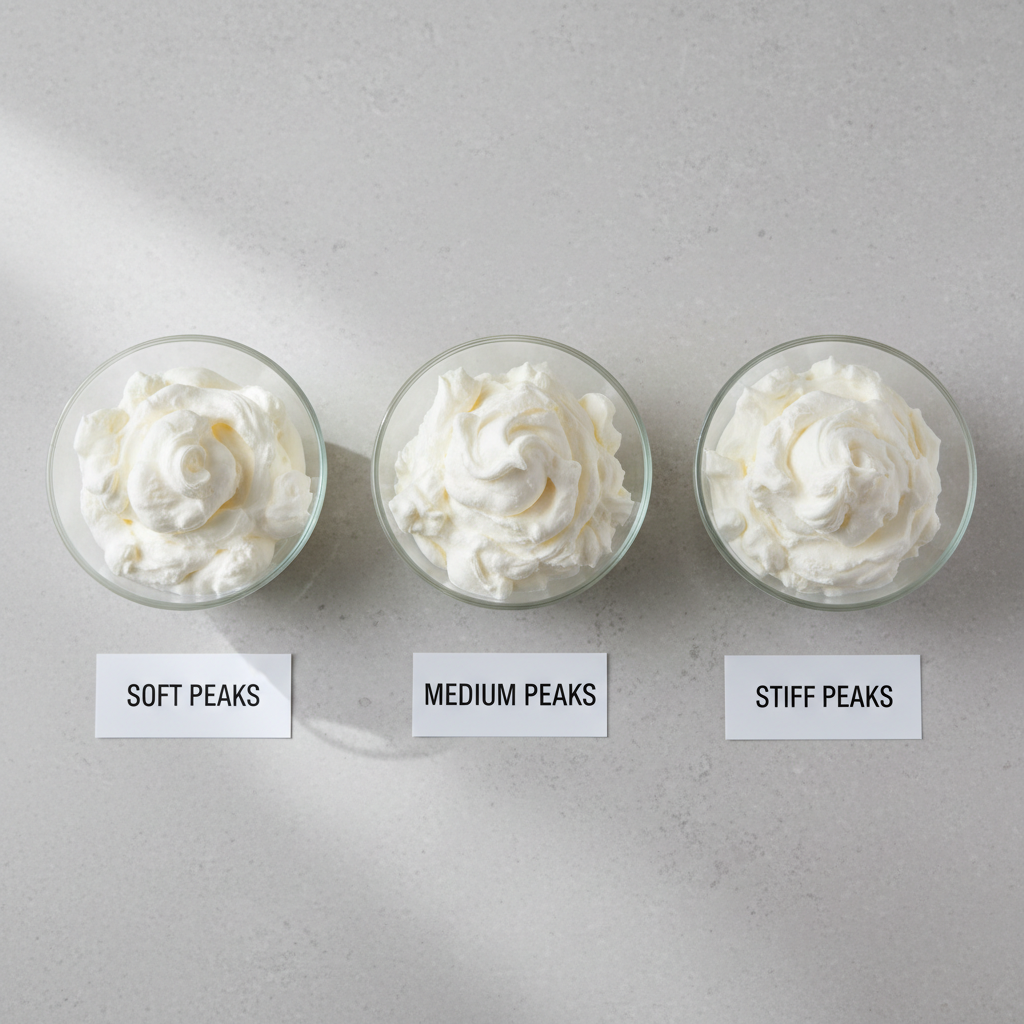
If you accidentally go too far and it starts to look curdled, you can sometimes rescue it by adding 1–2 tablespoons of cold cream and mixing on low just until it smooths out. If it’s already turning buttery, you’re past the point of “whipped topping.”
Stabilized options for cakes, make-ahead desserts, and warm rooms
For a quick weeknight dessert, classic is perfect. For a layered cake, a picnic, or a party where the bowl sits out, stabilization matters.
| Stabilizer | Best for | How it changes texture | How to use (per 1 cup cream) |
|---|---|---|---|
| Powdered sugar | Everyday topping | Slightly firmer, smoother | 2 tbsp powdered sugar during thickening stage |
| Cream cheese | Cupcakes, carrot cake | Tangy, thicker, very stable | Whip 2–3 tbsp softened cream cheese with sugar first, then add cream |
| Mascarpone | Tiramisu-style desserts | Silky, rich, stable | Whip 2–3 tbsp mascarpone with cream after foam forms |
| Gelatin | Piped rosettes, hot weather | Most stable, clean dairy taste | Bloom 1 tsp gelatin in 1 tbsp water, melt, cool slightly, stream in while whipping |
Gelatin is the strongest option, but it’s also the easiest to mess up by adding it too hot (it can clump) or too cold (it can set before mixing). If you’re not sure, cream cheese or mascarpone is more forgiving.
Flavor variations that don’t sabotage the whip
Flavoring whipped cream is fun until a thin liquid knocks out the structure. In many cases, the fix is using concentrated flavor or folding in thicker ingredients.
- Citrus: use finely grated zest, not a lot of juice.
- Chocolate: sift in 1–2 tbsp cocoa powder with powdered sugar.
- Maple: use maple syrup sparingly, start with 1 tbsp and taste.
- Espresso: dissolve instant espresso powder in vanilla, then add.
- Berry: fold in thick berry jam, or use freeze-dried fruit powder.
- Spiced: cinnamon, pumpkin pie spice, or cardamom in small pinches.
One practical trick: if you want bold flavor, make the dessert less sweet and let the whipped topping carry more of the sugar, it keeps the cream from needing a lot of thin syrups.
Common mistakes (and the fixes that actually help)
Most problems show up in predictable ways. Here are quick corrections you can apply without starting over.
- It won’t thicken: chill everything again for 10 minutes, then whip. If your cream is not heavy cream, it may never reach peaks.
- It tastes bland: add a pinch of salt and a touch more vanilla, sweetness alone won’t fix flat flavor.
- It’s gritty: switch to powdered sugar, or whip longer after adding granulated sugar so it dissolves.
- It’s weeping on the pie: whip to medium peaks (not soft), and consider mascarpone or gelatin for longer holding time.
- It turned grainy: try the “splash of cream” rescue; if it doesn’t smooth, repurpose as butter-in-progress.
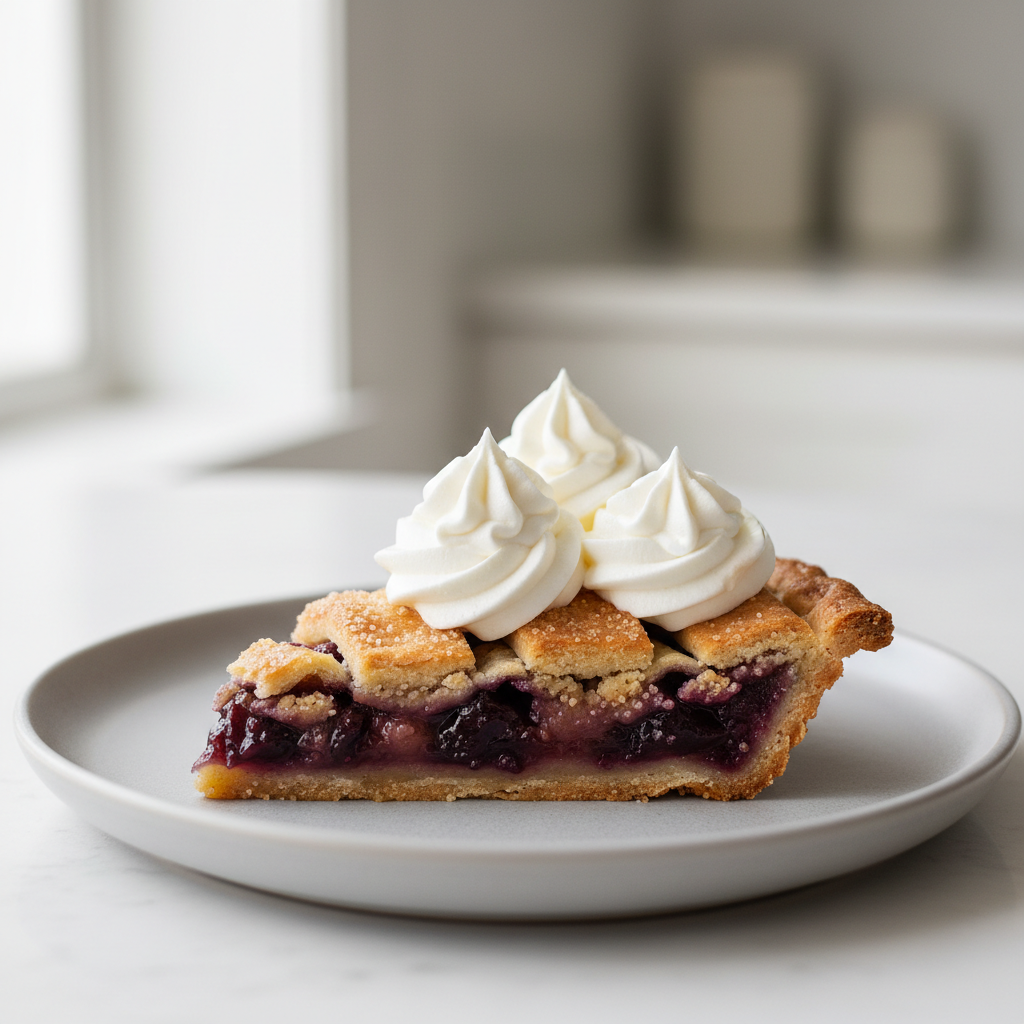
Key takeaway: temperature and timing beat “more mixing.” When in doubt, stop, check the peaks, then decide.
How to store and serve it safely (without ruining texture)
Whipped cream is best the day you make it, but you can store it when needed. Use an airtight container, keep it cold, and expect a little settling.
- Refrigerate: typically holds 24 hours with minimal change, longer if stabilized.
- Re-whip: if it loosens, a gentle whisk usually brings it back, avoid aggressive beating.
- Avoid heat: keep the bowl over an ice bath for outdoor serving or long buffets.
According to the U.S. Food and Drug Administration (FDA), perishable foods should not stay in the “danger zone” temperatures for extended periods, so for parties it’s smart to serve small batches and replenish from the fridge rather than leaving one big bowl out.
Practical tips for better results every time
- Start cold, stay cold: if your kitchen runs warm, chill the cream longer than you think.
- Use a wider bowl: more surface area helps incorporate air faster.
- Add sugar when it thickens: you get better volume and smoother texture.
- Match peak to purpose: soft for spooning, medium for topping, stiff only for piping.
- Keep flavors concentrated: zests, powders, extracts, and thick spreads behave better than juices.
Conclusion: a simple topping that rewards small details
Once you nail the temperature and learn to stop at the right peaks, whipped cream becomes one of the easiest “from scratch” upgrades in your kitchen, and you can tailor it for everything from weeknight berries to a birthday cake that needs clean slices.
If you want one next step, make the classic batch once, then try a stabilized version for your next event. That side-by-side comparison is usually what makes the technique click.
FAQ
Can I make whipped cream without a mixer?
Yes, a whisk works, especially for small batches. It just takes longer and you’ll want a chilled, wide bowl so the cream stays cold while you build volume.
Why is my whipped cream not thickening even after 10 minutes?
In many cases the cream isn’t heavy cream, or it warmed up while whipping. Chill the bowl and cream again, and double-check the carton for “heavy cream” or “heavy whipping cream.”
What’s the best sweetener for homemade whipped cream?
Powdered sugar is the most forgiving because it dissolves quickly and tends to make the texture slightly more stable. Granulated sugar can work, but it needs more mixing time after adding.
How do I stabilize whipped cream for a cake?
If you need it to hold shape for hours, gelatin stabilization is common. If you want something simpler, cream cheese or mascarpone adds structure and usually holds up better than an unstabilized topping.
Can I flavor whipped cream with fresh fruit puree?
You can, but thin puree can make it loose. A thicker option like jam, reduced puree, or freeze-dried fruit powder tends to keep the foam more stable.
How far ahead can I make whipped cream?
For best texture, same-day is ideal. Many batches hold overnight in the fridge, and stabilized versions often keep their shape longer, though exact results vary by recipe and fridge temperature.
Is it safe to leave whipped cream out on a dessert table?
It’s perishable dairy, so it’s safer to keep it chilled and put out smaller portions at a time. If you’re unsure about timing or temperature, consider asking a food safety professional for guidance.
If you’re making dessert for a get-together and want a more “set it and forget it” approach, consider choosing a stabilized whipped topping method from the table above, it keeps the homemade taste while making serving a lot less stressful.